 EN
EN

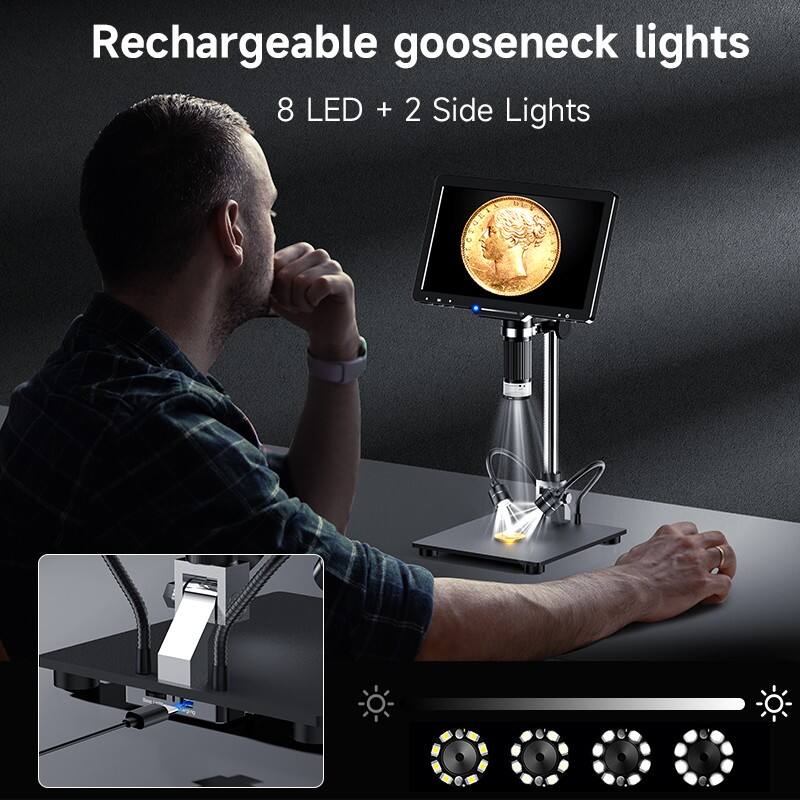
Coin collecting has evolved dramatically with technological advances, and today's numismatists rely heavily on precision instruments to examine their treasures. A microscope for coins has become an indispensable tool for serious collectors who need to assess condition, identify mint marks, detect counterfeits, and evaluate fine details that determine a coin's value and authenticity.
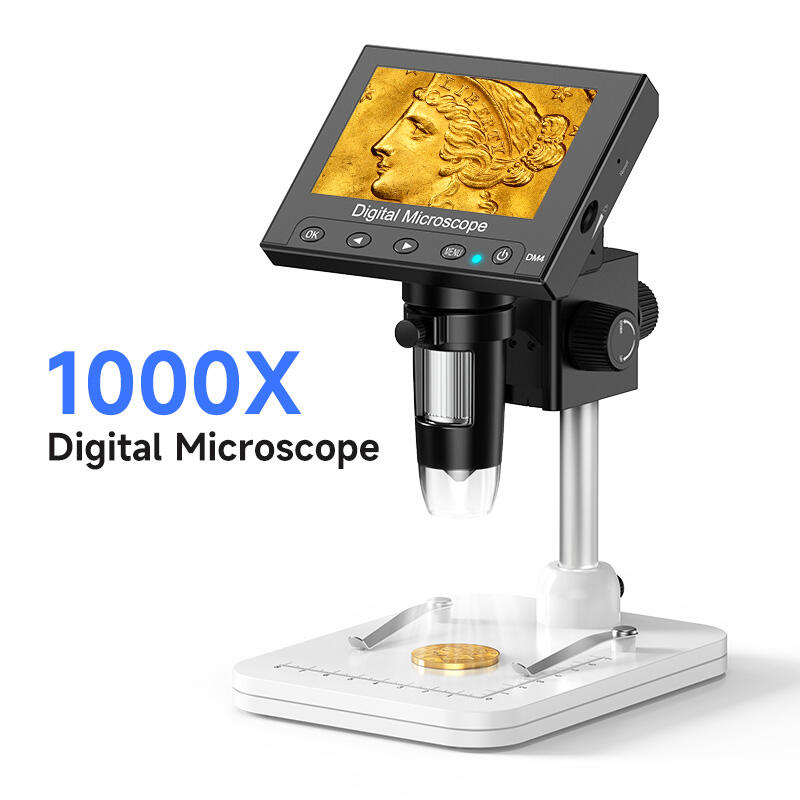
Professional coin grading requires exceptional attention to detail that only magnification can provide. The human eye, while remarkable, cannot detect the subtle surface characteristics, wear patterns, and minute imperfections that significantly impact a coin's grade and market value. Modern digital microscopes designed specifically for numismatic applications offer unprecedented clarity and documentation capabilities.
Understanding how to properly use magnification equipment transforms amateur collectors into knowledgeable numismatists. The difference between accurately grading a coin and making costly mistakes often lies in the quality of examination tools and the expertise to use them effectively. This comprehensive guide explores professional techniques that experienced collectors use to maximize their microscope for coins investment.
Essential Features of Professional Coin Microscopes
Magnification Range and Optical Quality
Professional coin examination requires variable magnification levels to assess different aspects of numismatic specimens. Low magnification between 10x and 30x provides excellent overview capabilities for general condition assessment and surface evaluation. Medium magnification ranging from 40x to 100x reveals detailed surface textures, wear patterns, and mint characteristics that influence grading decisions.
High magnification capabilities exceeding 100x become essential when examining microscopic details such as die varieties, planchet flaws, and authentication markers. The optical system quality directly affects image clarity and color accuracy, making premium lenses and precision engineering critical investments. A quality microscope for coins should deliver sharp, distortion-free images across the entire magnification range.
Digital integration enhances traditional optical systems by enabling image capture, measurement capabilities, and detailed documentation. Modern systems combine traditional microscopy with computer technology to create comprehensive examination platforms that support professional grading and authentication processes.
Lighting Systems and Image Enhancement
Proper illumination represents a fundamental requirement for accurate coin examination and evaluation. LED lighting systems provide consistent, color-balanced illumination that reveals true surface characteristics without introducing thermal stress or color distortion. Ring lights offer shadowless illumination that eliminates harsh contrasts and provides uniform surface lighting.
Adjustable lighting angles become crucial when examining coins with complex surface textures or reflective finishes. Side lighting techniques reveal surface topology and wear patterns that overhead illumination might obscure. Professional microscope for coins setups often include multiple lighting options to accommodate different examination requirements and coin types.
Advanced systems incorporate polarized lighting filters that reduce glare from highly reflective surfaces while enhancing contrast and detail visibility. These features prove particularly valuable when examining proof coins, modern commemoratives, or specimens with mirror-like finishes that typically challenge conventional lighting approaches.
Professional Examination Techniques
Surface Condition Assessment Methods
Systematic surface examination requires methodical approaches that ensure comprehensive evaluation of all coin areas. Professional numismatists develop standardized inspection patterns that cover obverse and reverse surfaces systematically, preventing oversight of critical details that affect grading and valuation decisions.
Wear pattern analysis demands careful attention to high-relief areas where circulation damage typically appears first. Hair details, facial features, and design elements in raised relief show wear progression that experienced collectors recognize through magnified examination. A microscope for coins reveals subtle wear characteristics that distinguish between adjacent grading levels.
Surface preservation evaluation extends beyond wear assessment to include original mint luster analysis, toning patterns, and environmental damage detection. Professional examination identifies natural aging versus artificial treatments, cleaning damage, and restoration attempts that significantly impact collector value and market acceptance.
Authentication and Counterfeit Detection
Counterfeit detection represents one of the most critical applications for coin microscopy in today's marketplace. Sophisticated counterfeits require detailed examination to identify telltale signs of reproduction techniques, casting marks, and material inconsistencies that distinguish genuine specimens from fraudulent copies.
Die characteristics provide reliable authentication markers that counterfeiters struggle to replicate accurately. Genuine coins exhibit specific die polish lines, raised die markers, and surface textures that result from legitimate minting processes. Professional examination using a microscope for coins reveals these authentic characteristics that confirm legitimacy.
Edge examination provides additional authentication opportunities since counterfeiters often overlook edge details and reeding characteristics. Genuine coins display consistent edge features that match known specifications, while reproductions frequently exhibit irregularities, tool marks, or incorrect reeding patterns that microscopic examination readily identifies.
Digital Documentation and Record Keeping
Image Capture Best Practices
Professional documentation requires high-quality image capture that accurately represents coin condition and characteristics. Digital microscope systems enable detailed photography that supports grading decisions, insurance documentation, and provenance records that enhance collection management and resale value.
Consistent lighting and positioning ensure repeatable results that facilitate accurate comparisons over time. Standard positioning protocols help maintain consistency across different examination sessions and enable objective condition monitoring for valuable specimens. A microscope for coins with integrated camera systems streamlines this documentation process.
Image resolution and color accuracy requirements vary based on intended applications and documentation needs. Insurance and authentication purposes demand the highest quality captures, while general inventory documentation may utilize lower resolution settings that balance file size with adequate detail representation.
Database Integration and Catalog Management
Modern collection management benefits from integrated database systems that link microscopic images with catalog information, provenance data, and condition assessments. Digital organization enables efficient searching, comparison capabilities, and comprehensive record maintenance that supports serious collecting activities.
Standardized naming conventions and file organization systems prevent confusion and enable efficient data retrieval for large collections. Professional collectors develop systematic approaches that accommodate growth and ensure long-term accessibility of critical documentation and examination records.
Cloud storage and backup systems protect valuable documentation from loss while enabling remote access and sharing capabilities. Professional numismatists increasingly rely on digital systems that support collaboration with grading services, insurance companies, and fellow collectors who require detailed condition information.
Advanced Applications and Specialized Techniques
Die Variety Identification
Die variety research represents one of the most specialized applications for coin microscopy, requiring exceptional attention to minute details that distinguish valuable varieties from common specimens. Experienced variety hunters use systematic examination techniques to identify repunched dates, doubled dies, and other collectible characteristics.
Measurement capabilities become essential when documenting die varieties that require precise positioning data and dimensional analysis. Professional microscope for coins systems often include measurement software that enables accurate documentation of variety characteristics and comparison with established references.
Research documentation supports variety attribution and contributes to numismatic knowledge advancement. Detailed microscopic analysis enables discoveries of previously unknown varieties and provides evidence that supports authentication and cataloging efforts within the numismatic community.
Conservation Assessment and Monitoring
Long-term preservation requires ongoing condition monitoring that tracks environmental effects, storage impacts, and natural aging processes. Microscopic examination reveals early signs of deterioration that enable proactive conservation measures before significant damage occurs.
Cleaning damage assessment benefits from magnified examination that reveals surface alterations, tool marks, and chemical residues that affect coin value and collectibility. Professional evaluation using a microscope for coins helps distinguish between acceptable conservation and damaging restoration attempts.
Environmental monitoring through periodic examination enables collectors to assess storage effectiveness and identify potential problems before they cause irreversible damage. Systematic documentation tracks condition changes over time and supports insurance claims or authentication requirements.
Equipment Selection and Setup Optimization
Choosing the Right Microscope System
Equipment selection depends on specific collecting interests, budget considerations, and intended applications. Entry-level digital systems provide adequate capabilities for general examination and documentation, while professional-grade equipment offers superior optics and advanced features that support serious numismatic work.
Portability requirements influence equipment choices for collectors who attend shows, conduct field research, or require mobile examination capabilities. Compact systems sacrifice some optical performance for convenience, while laboratory-grade equipment provides maximum capabilities for serious research and authentication work.
Future expansion capabilities should influence initial equipment decisions to avoid costly upgrades as collecting interests develop. Modular systems allow gradual enhancement of capabilities while protecting initial investments in basic microscope for coins equipment.
Workspace Organization and Ergonomics
Proper workspace setup enhances examination efficiency and reduces fatigue during extended observation sessions. Adequate lighting, comfortable seating, and organized tool placement contribute to productive examination sessions and consistent results.
Vibration isolation becomes important when using high magnification settings that amplify environmental disturbances. Stable mounting systems and isolation platforms ensure sharp images and enable precise examination of minute details that determine grading and authentication decisions.
Safety considerations include proper handling procedures for valuable specimens and equipment protection measures. Professional setups incorporate security features, environmental controls, and backup systems that protect both collections and examination equipment from damage or loss.
FAQ
What magnification level works best for general coin examination
Most coin examination tasks require magnification between 20x and 60x for optimal detail visibility without excessive complexity. This range provides sufficient detail for grading assessment while maintaining manageable fields of view. A microscope for coins should offer variable magnification to accommodate different examination requirements and coin sizes.
How do digital microscopes compare to traditional optical systems
Digital microscopes offer superior documentation capabilities, measurement tools, and sharing features that enhance professional numismatic work. Traditional optical systems may provide slightly better image quality at equivalent price points but lack the convenience and functionality of integrated digital features. Modern systems combine both approaches for optimal performance.
Can microscope examination damage valuable coins
Proper microscope examination poses no risk to coins when appropriate handling procedures are followed. LED lighting systems eliminate thermal damage risks, and non-contact examination prevents physical damage. Professional microscope for coins setups include protective features and proper handling protocols that ensure specimen safety during examination.
What features matter most for counterfeit detection
High-resolution imaging, variable magnification, and adjustable lighting prove most critical for counterfeit detection. The ability to examine edge details, surface textures, and die characteristics at various magnification levels enables identification of reproduction techniques and authentication markers that distinguish genuine coins from counterfeits.