 EN
EN


Coin collecting has evolved significantly with modern technology, and having the right magnification equipment can make all the difference in examining your precious collection. A quality microscope for coins allows collectors to inspect details that are invisible to the naked eye, from mint marks to surface conditions that determine grading and value. Whether you're a seasoned numismatist or just starting your collection journey, finding an affordable yet effective microscope for coins under $100 opens up a world of detailed examination possibilities.
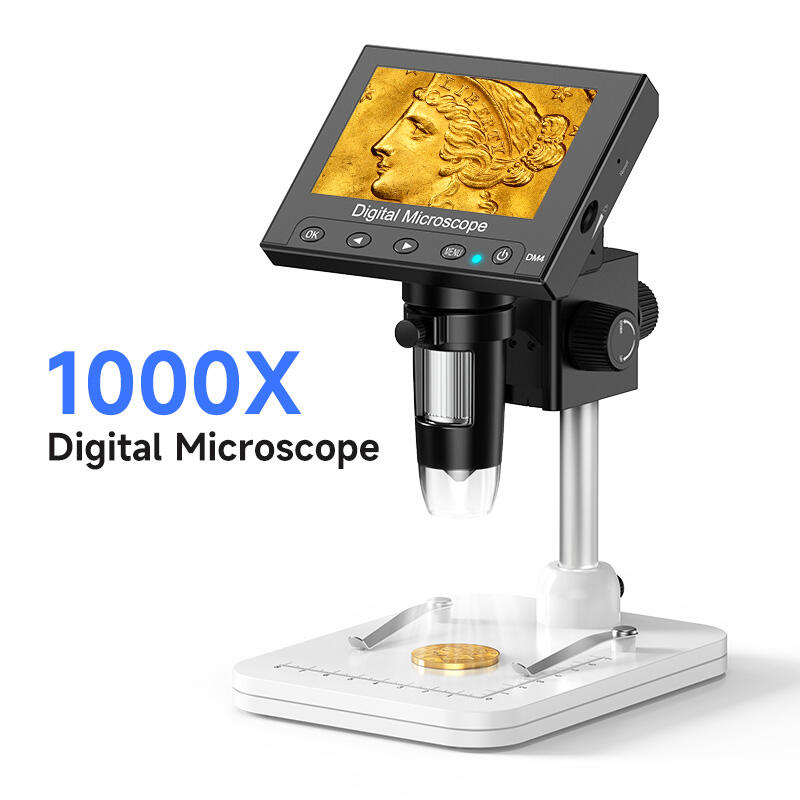
The budget-conscious collector no longer needs to compromise on quality when selecting magnification equipment. Today's market offers sophisticated digital microscopes that provide excellent image clarity, adjustable lighting, and user-friendly interfaces without breaking the bank. These affordable instruments enable detailed surface analysis, helping collectors identify wear patterns, authenticate pieces, and document their collections with professional-grade precision.
Essential Features to Look for in Budget Coin Microscopes
Magnification Power and Clarity
When selecting a microscope for coins, magnification range becomes crucial for different examination needs. Most budget models offer magnification between 10x to 200x, which covers the spectrum from general overview to detailed surface inspection. Lower magnifications work perfectly for identifying major features and overall condition assessment, while higher levels reveal intricate details like die varieties and surface anomalies that significantly impact coin values.
Image clarity depends heavily on the quality of optical components and sensor resolution in digital models. Budget microscopes with decent clarity typically feature at least 2MP sensors, though higher resolution options provide better detail capture for documentation purposes. The ability to maintain sharp focus across different magnification levels ensures consistent examination quality throughout your collecting activities.
Lighting Systems and Illumination Quality
Proper illumination makes the difference between mediocre and exceptional coin examination results. Quality budget microscopes incorporate LED lighting systems that provide even, adjustable illumination without creating harsh shadows or glare. Multiple LED configurations, typically ranging from 6 to 8 lights, offer superior coverage and allow collectors to adjust brightness levels based on coin surface characteristics and magnification requirements.
The positioning and quality of lighting elements directly affect your ability to detect surface imperfections, luster variations, and fine details that influence grading decisions. Well-designed illumination systems in budget microscopes eliminate hotspots and provide consistent color temperature, ensuring accurate color representation of your coins during examination and photography sessions.
Digital vs Traditional Microscope Options
Advantages of Digital Microscope Technology
Digital microscopes have revolutionized coin examination by combining magnification with instant image capture and display capabilities. These instruments connect directly to computers or feature built-in screens, allowing real-time viewing and easy documentation of findings. The digital approach eliminates eye strain associated with traditional eyepiece viewing and enables sharing of images with other collectors or dealers for consultation purposes.
Modern digital models offer software integration that enhances examination capabilities through measurement tools, image enhancement filters, and comparison features. Budget digital microscopes often include basic editing software that allows collectors to adjust contrast, brightness, and color balance to better reveal coin details that might otherwise remain hidden under standard viewing conditions.
Traditional Optical Microscope Benefits
Traditional optical microscopes provide direct visual examination without digital interpretation, offering some collectors a more immediate and natural viewing experience. These instruments typically deliver superior optical quality at budget price points since manufacturing costs focus entirely on lens systems rather than digital components and processing capabilities.
The simplicity of optical microscopes appeals to collectors who prefer hands-on examination without technology interfaces. These models often provide better magnification stability and don't require power sources or computer connections, making them ideal for portable use at coin shows, estate sales, or field collecting situations where digital equipment might be impractical.
Key Specifications for Coin Examination
Working Distance and Stage Design
Working distance refers to the space between the microscope objective and the coin surface during examination. Adequate working distance, typically 2-4 inches in quality budget models, provides sufficient room for coin manipulation and prevents accidental contact that could damage valuable pieces. This specification becomes particularly important when examining larger coins or medallions that require positioning adjustments during detailed inspection.
Stage design affects how easily coins can be positioned and secured during examination. Quality microscope for coins models feature stable platforms with securing mechanisms that prevent coin movement while allowing easy repositioning. Adjustable stages accommodate different coin sizes and thicknesses, ensuring optimal positioning for comprehensive examination of all collection pieces.
Resolution and Image Quality Standards
Image resolution directly impacts the level of detail visible during coin examination and affects the quality of documentation photos. Budget microscopes with 1080p or higher resolution provide sufficient detail for most collecting applications, while 4K models offer professional-grade image quality that rivals more expensive equipment. Higher resolution becomes valuable when creating detailed documentation for insurance purposes or when selling valuable pieces online.
Color accuracy and contrast capabilities determine how well surface variations, toning, and luster characteristics appear during examination. Quality budget models maintain accurate color representation across different lighting conditions and magnification levels, ensuring that coin characteristics appear as they would under optimal viewing conditions in professional grading environments.
Practical Applications for Coin Collectors
Authentication and Counterfeit Detection
Modern counterfeit coins often feature sophisticated details that require magnified examination to detect authentically. A reliable microscope for coins reveals telltale signs of casting marks, incorrect edge reeding, and surface textures that differ from genuine minting processes. Budget microscopes provide sufficient magnification to identify these characteristics, making them valuable tools for protecting collectors from purchasing fraudulent pieces.
Surface analysis under magnification exposes inconsistencies in metal composition, artificial aging, and manufacturing techniques that counterfeiters use to simulate authentic pieces. Detailed examination of letter edges, design elements, and surface flow patterns helps collectors develop expertise in distinguishing genuine coins from replicas, regardless of their sophistication level or price point.
Condition Assessment and Grading Preparation
Professional coin grading requires detailed condition assessment that identifies every surface mark, scratch, and imperfection that affects final grades and values. Budget microscopes enable collectors to perform preliminary grading evaluations, helping them understand their coins' conditions before submitting pieces for professional certification services.
Magnified examination reveals subtle wear patterns, contact marks, and cleaning evidence that significantly impact grading outcomes. Understanding these factors through detailed microscopic examination helps collectors make informed decisions about which pieces warrant professional grading services and provides realistic expectations about potential grades and resulting market values.
Setup and Maintenance Considerations
Proper Installation and Calibration
Setting up a microscope for coins requires attention to lighting conditions, surface stability, and viewing angle optimization. Budget models typically feature straightforward assembly processes, but proper calibration ensures optimal performance and image quality. Positioning the instrument on a stable surface away from vibrations and adjusting lighting angles prevents image distortion and maintains consistent examination quality.
Digital models require software installation and camera calibration to achieve optimal image capture capabilities. Following manufacturer guidelines for initial setup and testing with sample coins ensures that the microscope performs according to specifications and provides reliable results throughout its service life with your collection activities.
Long-term Care and Storage
Maintaining microscope performance requires regular cleaning of optical elements and protecting sensitive components from dust and moisture. Budget microscopes often include protective covers and cleaning accessories that help preserve image quality and extend equipment lifespan when properly utilized between examination sessions.
Storage considerations become important for collectors who use their microscopes occasionally or transport equipment to shows and meetings. Proper storage prevents damage to delicate optical components and ensures that the microscope remains ready for immediate use when examining new acquisitions or conducting detailed collection reviews.
Cost-Effective Shopping Strategies
Comparing Features vs Price Points
Budget microscope shopping requires balancing essential features against available spending limits while avoiding unnecessary bells and whistles that don't improve coin examination capabilities. Focusing on core specifications like magnification range, image quality, and lighting effectiveness ensures that your investment delivers maximum value for coin collecting applications rather than paying for features you won't regularly use.
Price comparison should consider total ownership costs including potential software purchases, replacement parts availability, and warranty coverage. Some budget models offer exceptional value through comprehensive packages that include all necessary accessories, while others require additional purchases that can push total costs beyond initial budget expectations.
Timing Purchases for Maximum Value
Strategic timing of microscope purchases can yield significant savings through seasonal sales, promotional periods, and new model releases that reduce prices on previous versions. End-of-year clearances and back-to-school promotions often feature substantial discounts on educational microscopes that work excellently for coin examination applications.
Monitoring manufacturer websites and authorized dealers helps identify special offers and bundle deals that provide additional value through included accessories or extended warranties. Patient shoppers who research thoroughly and wait for optimal purchasing windows often acquire higher-specification equipment within their original budget constraints.
FAQ
What magnification level works best for coin examination
Most coin examination tasks require magnification between 20x and 100x for optimal detail visibility. Lower magnifications around 10x-30x work well for general condition assessment and overall surface evaluation, while higher levels from 50x-100x reveal fine details like die varieties, mint marks, and surface characteristics that affect grading. Magnifications above 100x become useful for specialized analysis but aren't necessary for routine collecting activities.
Can budget microscopes provide professional-quality results
Quality budget microscopes under $100 can deliver excellent results for most coin collecting applications when they feature proper optical components, adequate lighting, and stable construction. While they may lack some advanced features found in expensive models, budget options provide sufficient image quality and magnification for authentication, condition assessment, and detailed examination that meets the needs of serious collectors.
How important is LED lighting in a microscope for coins
LED lighting systems are crucial for revealing coin surface details and ensuring accurate color representation during examination. Quality LED arrays provide even illumination without heat buildup that could potentially damage coins, while adjustable brightness levels accommodate different coin surfaces and magnification requirements. Good lighting makes the difference between seeing surface details clearly and missing important characteristics that affect coin values.
Do digital microscopes work better than traditional models for coins
Digital microscopes offer advantages for coin collectors through instant image capture, computer integration, and the ability to easily share findings with other collectors or dealers. They eliminate eye strain from prolonged viewing and provide documentation capabilities that traditional models cannot match. However, traditional optical microscopes often deliver superior image quality at budget price points since costs focus entirely on optical components rather than digital features.