 EN
EN

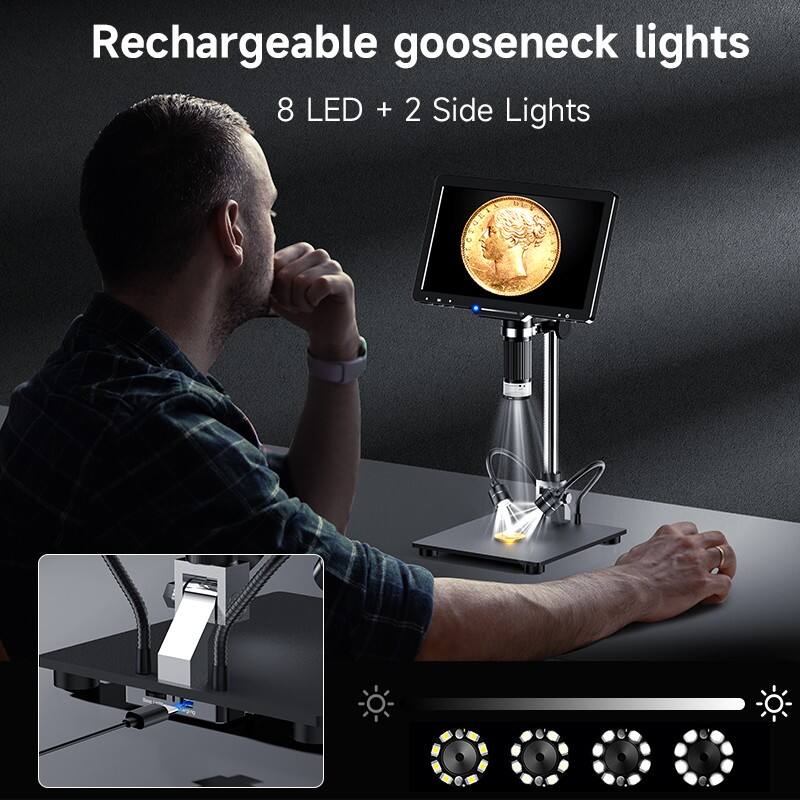
Coin collecting has evolved significantly with modern technology, making it easier than ever for numismatists to examine their treasures in detail. A portable microscope for coins represents an essential tool for collectors who need precise magnification capabilities while traveling to coin shows, estate sales, or field collecting expeditions. These compact devices offer the perfect blend of portability and optical performance, allowing collectors to authenticate, grade, and study coins with professional-level precision anywhere their collecting adventures take them.
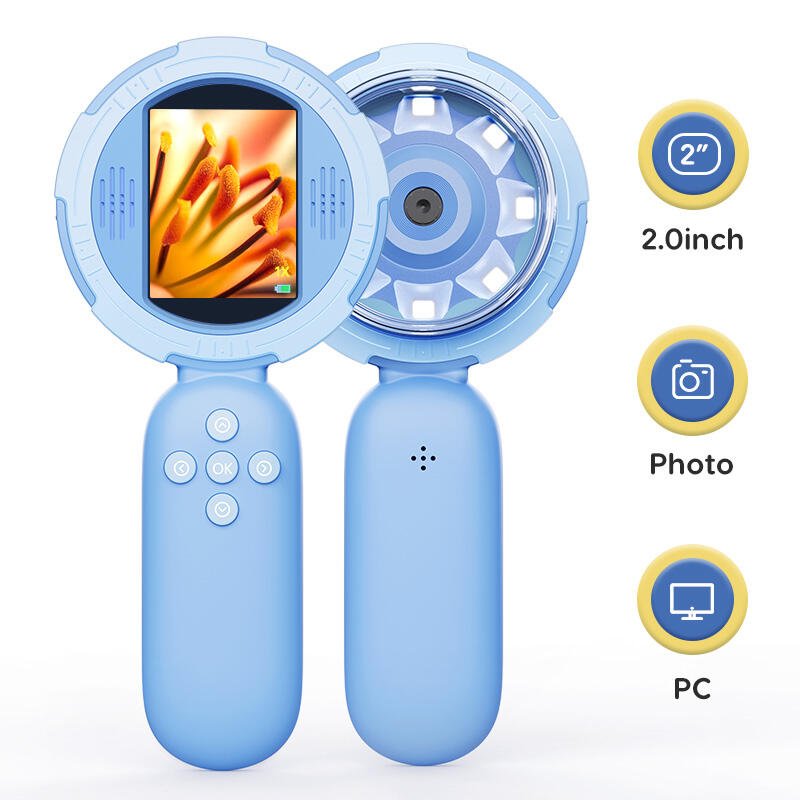
The numismatic community increasingly relies on magnification tools to identify mint marks, detect counterfeits, and assess surface conditions that determine coin values. Traditional desktop microscopes, while powerful, lack the mobility that modern collectors demand when attending shows or conducting field research. Portable microscope solutions bridge this gap by delivering laboratory-quality optics in compact, travel-ready packages that fit easily in carrying cases or backpacks.
Essential Features of Travel-Friendly Coin Microscopes
Magnification Range and Optical Quality
Professional coin examination requires specific magnification ranges to reveal different levels of detail effectively. Most experts recommend a microscope for coins that provides magnification between 10x and 200x, covering everything from general surface inspection to detailed die variety analysis. Lower magnifications allow collectors to examine entire coin surfaces and identify major features, while higher powers reveal minute details like die polishing lines, strike characteristics, and surface texture variations that impact grading decisions.
Optical quality becomes paramount when evaluating coin authenticity and condition. High-grade glass lenses with anti-reflective coatings ensure sharp, distortion-free images that reveal true surface conditions without introducing artifacts that could mislead collectors. Multi-element lens systems in premium portable microscopes deliver edge-to-edge clarity comparable to much larger laboratory instruments, making them suitable for serious numismatic research and authentication work.
Illumination Systems and Lighting Control
Proper illumination proves critical when examining reflective coin surfaces that can create glare and obscure important details. Advanced portable microscopes incorporate LED lighting systems with adjustable intensity controls, allowing collectors to optimize illumination for different coin compositions and surface finishes. Ring lights or multiple LED arrays provide even illumination that minimizes shadows and hot spots that could hide defects or authentication markers.
Color temperature control in premium models ensures accurate color representation when examining toned coins or identifying specific metal compositions. Some microscope for coins models include polarizing filters or variable angle illumination that helps reveal surface details invisible under standard lighting conditions, particularly useful when examining proof coins or detecting artificial toning patterns that might indicate cleaning or alteration.
Digital Integration and Documentation Capabilities
Built-in Camera Systems
Modern portable microscopes increasingly feature integrated digital cameras that enable collectors to document their findings and create detailed photographic records. High-resolution sensors capture fine details that can be reviewed later or shared with other collectors for second opinions on attribution or grading questions. Many models include onboard storage capabilities, allowing collectors to build extensive image libraries of their collections without requiring external devices.
Video recording capabilities in advanced units enable collectors to document dynamic examination procedures, showing how coins respond to different lighting angles or magnification levels. This functionality proves particularly valuable when preparing authentication documentation or creating educational content for other collectors. Some microscope for coins models include time-lapse features that can document long-term surface changes or conservation treatments applied to valuable specimens.
Connectivity and Software Integration
Wireless connectivity options in contemporary portable microscopes enable real-time image sharing and remote collaboration with other experts. Bluetooth or Wi-Fi capabilities allow collectors to stream live images to smartphones, tablets, or computers, facilitating instant consultation with grading services or fellow collectors during critical authentication decisions. Cloud integration features automatically backup important images and maintain synchronized records across multiple devices.
Specialized software packages designed for numismatic applications include measurement tools, comparison features, and database integration that streamline the documentation process. Advanced programs can automatically detect and measure coin features, compare images against reference databases, and generate detailed examination reports that meet professional authentication standards. Some microscope for coins systems integrate with popular coin inventory software, creating seamless workflows from examination to cataloging.
Power Management and Field Operation
Battery Performance and Charging Options
Extended field operation requires robust power management systems that can sustain hours of continuous use without compromising performance. Lithium-ion battery systems in quality portable microscopes typically provide 4-8 hours of operation under normal use conditions, with power-saving modes that extend runtime during extended field sessions. Fast-charging capabilities minimize downtime between sessions, while some models include removable battery packs that enable unlimited field operation with spare batteries.
USB-C charging compatibility ensures easy power replenishment using standard cables and portable power banks commonly carried by modern collectors. Solar charging options in specialized field microscopes provide sustainable power solutions for remote locations where traditional charging might be unavailable. Power level indicators and low-battery warnings help collectors manage operation time and avoid unexpected shutdowns during critical examinations.
Durability and Environmental Protection
Field use subjects portable microscopes to varied environmental conditions that can damage sensitive optical and electronic components. Weather-resistant designs with sealed housings protect against moisture, dust, and temperature variations encountered during outdoor collecting or travel to different climates. Impact-resistant construction ensures survival of accidental drops or rough handling during transport to collecting venues.
Scratch-resistant lens coatings and reinforced mechanical components extend service life under regular field use conditions. Some microscope for coins models include protective cases or covers that shield delicate components during transport while maintaining easy access for quick deployment. Military-specification construction standards in premium models provide confidence for collectors operating in challenging environments or remote locations.
Ergonomics and User Experience Design
Comfort and Stability Features
Extended examination sessions require ergonomic designs that minimize user fatigue and maintain steady viewing conditions. Adjustable viewing angles and eyepiece positions accommodate different user heights and preferences, while stable base designs prevent vibration and movement that could disrupt detailed observations. Comfortable grip surfaces and balanced weight distribution reduce hand fatigue during prolonged handheld operation.
Built-in stands or mounting systems provide hands-free operation when detailed examination requires steady positioning or comparison work. Some models include articulating arms or flexible mounting solutions that position coins at optimal angles for specific examination techniques. Anti-slip base materials ensure stable operation on various surface types commonly encountered at coin shows or field locations.
Interface Design and Control Systems
Intuitive control interfaces minimize learning curves and enable immediate productive use by collectors of all experience levels. Large, clearly labeled buttons and controls remain operable while wearing gloves or in low-light conditions commonly encountered during field work. Touch-screen interfaces in advanced models provide modern, responsive control over imaging and documentation functions while maintaining physical backup controls for critical operations.
Menu systems designed specifically for numismatic applications include preset configurations for common coin types, sizes, and examination procedures. Quick-access controls for frequently adjusted settings like magnification and illumination reduce setup time and minimize disruption during examination workflows. Some microscope for coins units include customizable control profiles that can be tailored to individual collector preferences or specific examination protocols.
Maintenance and Care Considerations
Cleaning and Storage Requirements
Proper maintenance ensures long-term performance and protects the substantial investment represented by quality portable microscopes. Regular cleaning procedures for optical elements prevent accumulation of dust, fingerprints, and other contaminants that degrade image quality over time. Specialized cleaning tools and solutions designed for precision optics maintain peak performance without risking damage to delicate coatings or lens elements.
Storage considerations become critical for collectors who transport microscopes regularly between locations. Protective cases with custom-fitted compartments prevent impact damage while organizing accessories and spare components efficiently. Climate-controlled storage prevents condensation and thermal shock that could affect calibration or cause mechanical stress in precision components. Some microscope for coins models include desiccant systems or moisture indicators that help maintain optimal storage conditions.
Calibration and Performance Verification
Regular calibration procedures ensure measurement accuracy and maintain confidence in examination results used for authentication or grading decisions. Reference standards and calibration coins provide known targets for verifying magnification accuracy, color reproduction, and measurement precision. Documentation of calibration procedures creates audit trails that support authentication work and maintain traceability for professional applications.
Performance monitoring includes periodic testing of illumination uniformity, focus accuracy, and digital sensor performance to identify potential issues before they affect critical examinations. Preventive maintenance schedules help collectors anticipate service needs and avoid equipment failures during important collecting activities. Some advanced microscope for coins systems include self-diagnostic features that automatically monitor key performance parameters and alert users to potential problems.
Applications Beyond Basic Coin Examination
Authentication and Counterfeit Detection
Advanced microscopy techniques enable collectors to identify sophisticated counterfeits that might fool less thorough examination methods. Surface texture analysis reveals manufacturing methods used in coin production, helping distinguish between authentic minting processes and modern reproduction techniques. Die flow patterns, strike characteristics, and metal structure examination provide definitive evidence of authenticity that supports confident authentication decisions.
Comparative analysis capabilities allow side-by-side examination of suspect coins against known authentic examples, revealing subtle differences in surface details, edge characteristics, or production artifacts. Specialized lighting techniques can reveal alterations, artificial aging, or surface treatments applied to enhance apparent value or hide damage. Documentation capabilities create permanent records that support authentication conclusions and provide evidence for insurance or legal purposes.
Research and Educational Applications
Portable microscopes serve valuable roles in numismatic research, enabling detailed documentation of die varieties, mint production techniques, and historical manufacturing processes. Field research at archaeological sites or historical locations benefits from immediate high-magnification examination capabilities that help identify and document finds before removal from context. Educational programs use microscope for coins demonstrations to teach students about minting processes, historical manufacturing techniques, and scientific examination methods.
Collaborative research projects benefit from standardized documentation capabilities that enable researchers to share detailed images and measurements across geographical distances. Digital integration features support database development and comparative studies that advance understanding of historical minting practices and coin production evolution. Time-lapse capabilities enable documentation of conservation treatments and long-term stability studies that inform preservation practices.
FAQ
What magnification range works best for general coin collecting needs
Most coin collectors find that magnification ranges between 20x and 100x cover the majority of examination needs effectively. Lower magnifications around 20x-40x work well for general surface inspection, identifying major defects, and examining overall coin condition. Higher magnifications in the 60x-100x range reveal fine details needed for die variety identification, mint mark examination, and detailed grading assessments. Microscopes offering continuous zoom capabilities provide the most flexibility for adapting to different examination requirements.
How do portable microscopes compare to traditional magnifying glasses for coin examination
Portable microscopes offer significantly higher magnification capabilities and superior optical quality compared to traditional magnifying glasses. While magnifying glasses typically provide 2x-10x magnification, microscopes deliver 20x-200x or higher magnifications that reveal details invisible to lower-power tools. Advanced illumination systems in microscopes eliminate shadows and provide even lighting that magnifying glasses cannot match. Digital documentation capabilities in modern microscopes create permanent records that support authentication and research applications beyond simple visual examination.
What features should collectors prioritize when selecting a travel-friendly microscope for coins
Battery life and durability represent the most critical factors for travel applications, as collectors need reliable operation throughout long show days or field expeditions. Optical quality should not be compromised for portability, so multi-element lens systems with anti-reflective coatings ensure professional examination capabilities. Adjustable LED illumination with intensity controls accommodates different coin types and surface conditions encountered in various environments. Digital camera integration enables documentation and sharing capabilities that enhance the collecting experience and support authentication work.
Can portable microscopes provide sufficient image quality for professional coin authentication work
High-end portable microscopes deliver image quality comparable to laboratory instruments when equipped with quality optical systems and proper illumination. Professional authentication requires resolution sufficient to reveal surface texture, die characteristics, and manufacturing details that portable units can provide when properly selected and operated. However, critical authentication decisions often benefit from multiple examination methods and expert consultation regardless of equipment quality. Portable microscopes excel at initial screening and field authentication while supporting rather than replacing comprehensive professional evaluation processes.
Table of Contents
- Essential Features of Travel-Friendly Coin Microscopes
- Digital Integration and Documentation Capabilities
- Power Management and Field Operation
- Ergonomics and User Experience Design
- Maintenance and Care Considerations
- Applications Beyond Basic Coin Examination
-
FAQ
- What magnification range works best for general coin collecting needs
- How do portable microscopes compare to traditional magnifying glasses for coin examination
- What features should collectors prioritize when selecting a travel-friendly microscope for coins
- Can portable microscopes provide sufficient image quality for professional coin authentication work