 EN
EN

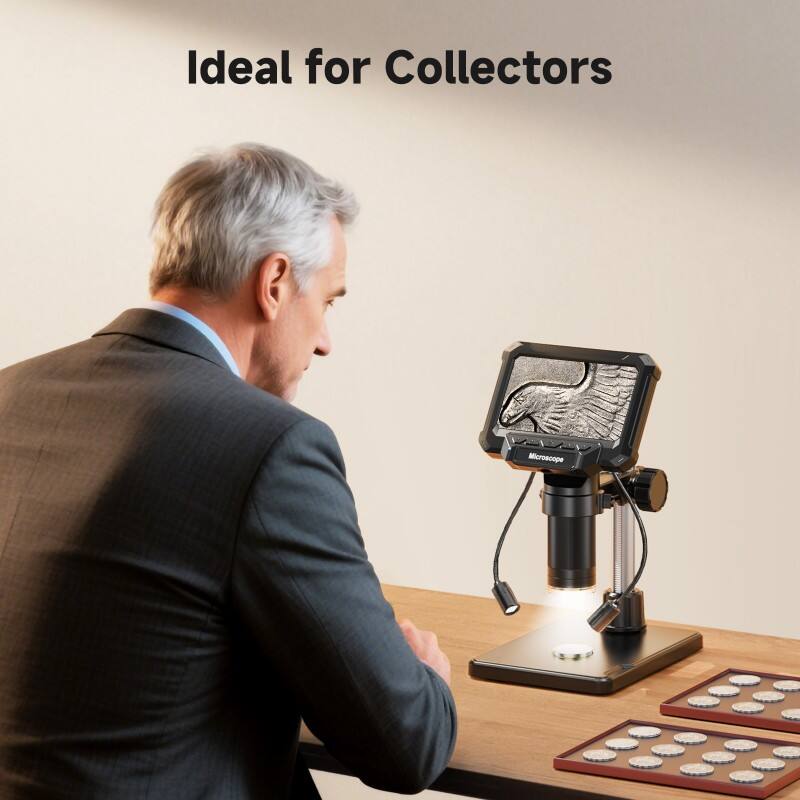
Coin collecting has evolved dramatically over the years, transforming from a simple hobby into a sophisticated pursuit requiring precision tools and detailed analysis. Modern numismatists understand that proper examination of coins demands more than just the naked eye, making a high-quality microscope for coins an essential investment for serious collectors. Whether you're authenticating rare specimens, assessing condition grades, or simply exploring the intricate details of your collection, the right magnification equipment can reveal features that would otherwise remain hidden. The growing complexity of coin markets and the increasing sophistication of counterfeiting techniques make professional-grade examination tools more crucial than ever before.
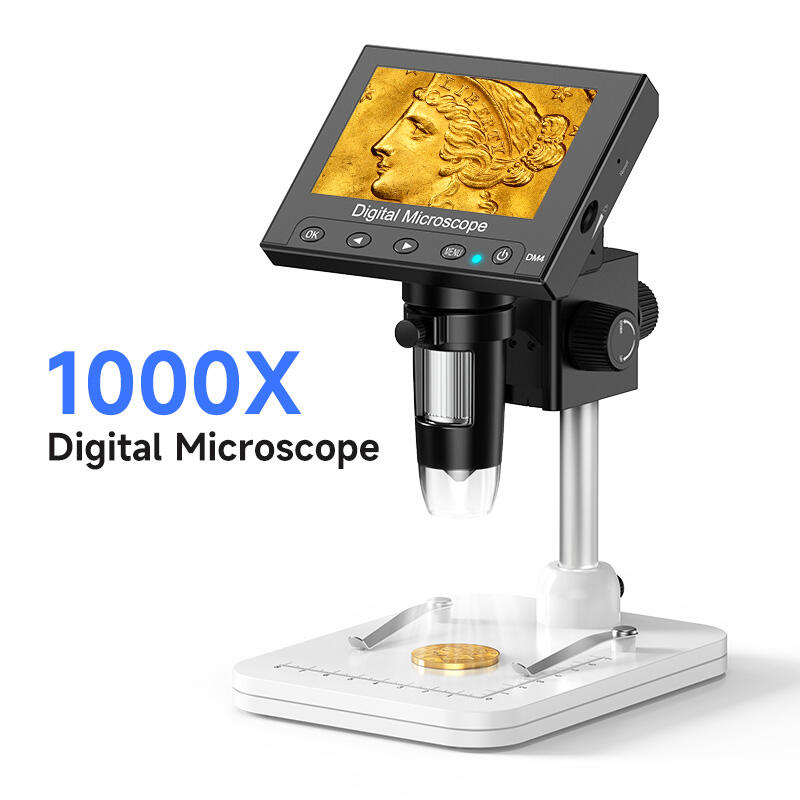
Understanding Coin Microscopy Fundamentals
Magnification Requirements for Different Coin Types
Different coin denominations and materials require varying levels of magnification to reveal their distinctive characteristics effectively. Ancient coins often benefit from moderate magnification levels of 10x to 30x, allowing collectors to examine surface details, corrosion patterns, and mint marks without overwhelming the viewing experience. Modern coins typically require higher magnification ranges between 20x to 60x to properly assess strike quality, luster variations, and minute surface imperfections that affect grading outcomes. A quality microscope for coins should offer multiple magnification settings to accommodate these diverse examination needs across different numismatic categories.
Precious metal coins present unique challenges that demand specific magnification approaches for accurate assessment. Gold coins require careful examination of surface texture and edge details, which become clearly visible at 25x to 50x magnification levels. Silver specimens often show toning patterns and milk spots that require detailed analysis at similar magnification ranges. The microscope for coins you select should provide consistent image quality across various magnification levels, ensuring that details remain sharp and colors stay accurate throughout your examination process.
Optical Quality Standards for Numismatic Applications
Professional coin examination demands optical systems that deliver exceptional clarity and color accuracy across the entire viewing field. High-quality lenses with multi-element construction minimize chromatic aberration and distortion, ensuring that coin details appear natural and undistorted during examination. The optical design should maintain consistent focus across the entire field of view, preventing edge blurring that could obscure important diagnostic features. A reliable microscope for coins incorporates precision-ground glass elements and advanced coating technologies that maximize light transmission while reducing unwanted reflections.
Resolution capabilities become increasingly important when examining fine details such as die polish lines, planchet striations, and microscopic surface variations. Superior optical systems resolve these minute features clearly, enabling accurate assessments of coin condition and authenticity. The depth of field characteristics also play a crucial role in coin examination, as coins possess three-dimensional relief that requires adequate focus range to examine both raised and recessed areas simultaneously.
Essential Features for Professional Coin Examination
Illumination Systems and Lighting Control
Proper illumination represents one of the most critical aspects of effective coin microscopy, as inadequate lighting can mask important details or create misleading visual artifacts. LED illumination systems have become the standard for modern coin microscopes, offering consistent color temperature, extended operational life, and minimal heat generation that won't damage sensitive specimens. Adjustable intensity controls allow users to optimize lighting conditions for different coin materials and surface finishes, from highly reflective proof surfaces to darkly toned specimens that require enhanced illumination.
Ring light configurations provide even illumination distribution around the coin's perimeter, minimizing shadows that could obscure surface details or create false impressions of damage or wear. Advanced microscope for coins models incorporate multiple LED arrays positioned at various angles, enabling users to highlight specific surface features through selective lighting techniques. Polarized light options help reduce glare from highly reflective surfaces while enhancing contrast in areas with subtle surface variations.
Digital Integration and Documentation Capabilities
Modern numismatic research and authentication processes increasingly rely on digital documentation to preserve examination results and facilitate communication with other collectors or professionals. High-resolution camera systems integrated into coin microscopes capture detailed images that accurately represent the microscopic features observed during examination. These digital capabilities enable systematic cataloging of collection specimens and provide valuable reference materials for future comparisons and authenticity verification processes.
Video recording functionality allows collectors to document dynamic examination processes, such as rotating coins under various lighting conditions to reveal surface characteristics that static images cannot adequately capture. USB connectivity and compatible software packages streamline the transfer and organization of digital files, making it easier to maintain comprehensive collection records. The integration of measurement tools within imaging software enables precise documentation of coin dimensions, flaw sizes, and other quantifiable characteristics that contribute to accurate condition assessments.
Selecting the Right Microscope Configuration
Stereo vs. Compound Microscope Considerations
Stereo microscopes have become the preferred choice for most coin examination applications due to their three-dimensional viewing capabilities and comfortable working distances. These systems provide depth perception that proves invaluable when examining raised coin designs and assessing the relationship between different surface levels. The working distance offered by stereo microscopes allows adequate space for coin manipulation and positioning without risk of contact between the specimen and objective lenses. A well-designed microscope for coins in the stereo category offers zoom capabilities that provide continuous magnification adjustment rather than fixed step intervals.
Compound microscopes, while offering higher maximum magnification levels, present practical limitations for routine coin examination due to their shallow depth of field and minimal working distances. These systems work best for specialized applications such as examining microscopic inclusions in coin materials or analyzing crystalline structures in metal surfaces. However, the majority of numismatic applications benefit more from the versatility and ease of use provided by quality stereo microscope systems designed specifically for three-dimensional specimen examination.
Portability and Workspace Requirements
Consider the physical constraints of your examination environment when selecting microscope equipment for numismatic applications. Benchtop models provide maximum stability and feature sets but require dedicated workspace and may not be practical for collectors with limited space or those who need to examine coins in multiple locations. Desktop microscope for coins options balance functionality with space efficiency, offering professional capabilities in more compact form factors that integrate well with existing collection storage and organization systems.
Portable microscope solutions enable field examination capabilities for collectors who attend coin shows, shop at dealers, or need to examine specimens away from their primary workspace. Battery-powered models with built-in LCD screens eliminate the need for external power sources and provide immediate viewing capabilities in various environments. However, portable units typically involve some compromises in optical quality, stability, and advanced features compared to their larger counterparts.
Advanced Techniques for Coin Authentication
Detecting Counterfeits and Alterations
Authentication processes benefit significantly from systematic microscopic examination techniques that reveal telltale signs of counterfeiting or post-mint alterations. Genuine coins exhibit specific surface characteristics resulting from the minting process, including die polish lines, planchet preparation marks, and strike characteristics that are difficult to replicate convincingly. A professional microscope for coins reveals these diagnostic features clearly, enabling collectors to distinguish between authentic specimens and sophisticated reproductions.
Edge examination represents another crucial authentication technique that requires proper magnification and lighting to execute effectively. Genuine coins typically show consistent edge characteristics resulting from the reeding or lettering processes used during production. Counterfeit coins often exhibit irregularities in edge details, including inconsistent spacing, depth variations, or tool marks that differ from authentic examples. Microscopic examination of edge lettering can reveal printing or engraving techniques that differ from the original production methods used by government mints.
Grading and Condition Assessment
Professional coin grading relies heavily on accurate assessment of surface preservation, strike quality, and overall eye appeal factors that require detailed microscopic examination. Wear patterns on coin surfaces follow predictable progression patterns that experienced graders recognize through systematic examination of high points, field areas, and design elements. The microscope for coins becomes an essential tool for identifying these subtle wear characteristics and distinguishing between circulation wear and other forms of surface disturbance such as cleaning, environmental damage, or handling marks.
Luster assessment represents another critical grading factor that benefits from controlled microscopic examination under proper lighting conditions. Original mint luster exhibits specific optical properties and surface textures that can be distinguished from artificial enhancement or restoration attempts. Microscopic examination reveals the cartwheel effect patterns, flow lines, and surface micro-textures that contribute to overall luster quality and help determine appropriate grade assignments within professional grading standards.
Maintenance and Care for Optical Equipment
Cleaning and Storage Protocols
Proper maintenance of microscopic equipment ensures consistent performance and extends the operational life of optical components significantly. Lens cleaning requires specialized materials and techniques to prevent scratching or coating damage that could degrade image quality over time. Lint-free cleaning cloths, optical-grade solvents, and gentle circular motions help remove dust, fingerprints, and other contaminants without damaging delicate lens surfaces. Regular cleaning schedules prevent accumulation of debris that could interfere with examination processes or create artifacts in captured images.
Storage considerations become particularly important for maintaining optical precision and preventing environmental damage to sensitive components. Dust covers protect lens surfaces and mechanical components from airborne contaminants when the microscope for coins is not in active use. Climate-controlled environments help prevent condensation, mold growth, and corrosion that could affect both optical and electronic components. Proper storage also includes securing moveable parts to prevent damage during transport or vibration exposure.
Calibration and Performance Monitoring
Regular calibration procedures ensure that magnification levels, measurement capabilities, and imaging systems maintain accuracy over time and usage cycles. Professional applications may require periodic verification using certified reference standards to confirm that optical performance meets specification requirements. Focus consistency checks help identify potential mechanical issues before they impact examination quality, while resolution testing using standardized targets reveals any degradation in optical performance that might require professional service attention.
Digital imaging components require additional monitoring to ensure color accuracy, resolution consistency, and proper synchronization with optical systems. Software updates and driver maintenance help maintain compatibility with evolving computer systems and operating environments. Battery maintenance for portable units includes proper charging cycles and storage procedures that maximize battery life and ensure reliable operation during field applications.
Cost-Benefit Analysis for Different User Categories
Entry-Level Collector Requirements
Beginning collectors often face the challenge of selecting appropriate magnification equipment without overspending on features that may not be immediately necessary for their current collecting focus. Entry-level microscope for coins options should prioritize essential features such as adequate magnification range, decent optical quality, and user-friendly operation over advanced capabilities that require significant experience to utilize effectively. Basic stereo microscopes with 10x to 40x magnification ranges typically meet most initial examination needs while providing room for skill development and collection expansion.
Budget considerations should account for the long-term value proposition rather than focusing solely on initial purchase price. Quality optics from established manufacturers often provide better durability and consistent performance compared to extremely low-cost alternatives that may require early replacement. Educational resources and technical support availability can significantly impact the learning curve and overall satisfaction with microscope equipment, making these factors worthy of consideration in purchasing decisions.
Professional and Advanced Collector Needs
Serious collectors and professional numismatists require equipment capabilities that support advanced examination techniques, documentation requirements, and authentication procedures. Higher-end microscope for coins models typically offer superior optical quality, extended magnification ranges, and enhanced digital integration that justifies increased investment through improved examination capabilities and professional credibility. Advanced features such as polarized lighting, measurement software, and high-resolution imaging systems enable sophisticated analysis techniques that may be essential for specialized collecting areas or professional authentication services.
Professional applications often justify premium equipment costs through improved efficiency, enhanced credibility with clients, and the ability to detect subtle characteristics that less capable equipment might miss. The investment in quality microscopic equipment frequently pays dividends through better purchasing decisions, improved authentication accuracy, and enhanced ability to document and communicate findings to other collectors or potential buyers.
FAQ
What magnification level is best for general coin examination
Most general coin examination tasks are well-served by magnification levels between 10x and 50x, with 20x to 30x being optimal for routine condition assessment and detail observation. Higher magnifications become useful for specific authentication tasks or examining minute surface features, while lower magnifications provide better overall perspective for initial specimen evaluation. A microscope for coins with variable magnification capabilities offers the flexibility to adjust viewing conditions based on specific examination requirements and coin characteristics.
How important is LED lighting compared to other illumination types
LED illumination has become the preferred choice for coin microscopy due to its consistent color temperature, long operational life, and minimal heat generation that won't damage specimens. Unlike incandescent bulbs, LEDs maintain stable light output over time and don't create thermal effects that could cause focus drift during extended examination sessions. The ability to adjust LED intensity provides optimal lighting conditions for different coin materials and surface finishes, making LED-equipped systems significantly more versatile than fixed-intensity alternatives.
Can digital microscopes replace traditional optical systems for coin collecting
Digital microscopes offer excellent documentation capabilities and ease of use, but traditional optical systems still provide superior image quality and depth perception for detailed examination work. Many collectors find that digital systems work best as supplementary tools for documentation and sharing, while optical microscopes remain preferred for critical authentication and grading assessments. The ideal setup often combines both technologies, using optical systems for primary examination and digital capabilities for recording and communication purposes.
What should I look for when buying a used microscope for coins
When purchasing used microscope equipment, carefully inspect optical elements for scratches, coating damage, or fungus growth that could affect image quality. Test all mechanical adjustments including focus, magnification changes, and stage movements to ensure smooth operation without excessive play or binding. Verify that illumination systems function properly and that any included software or digital components remain compatible with current computer systems. Consider the availability of replacement parts and service support for older models before making purchasing decisions.