 EN
EN

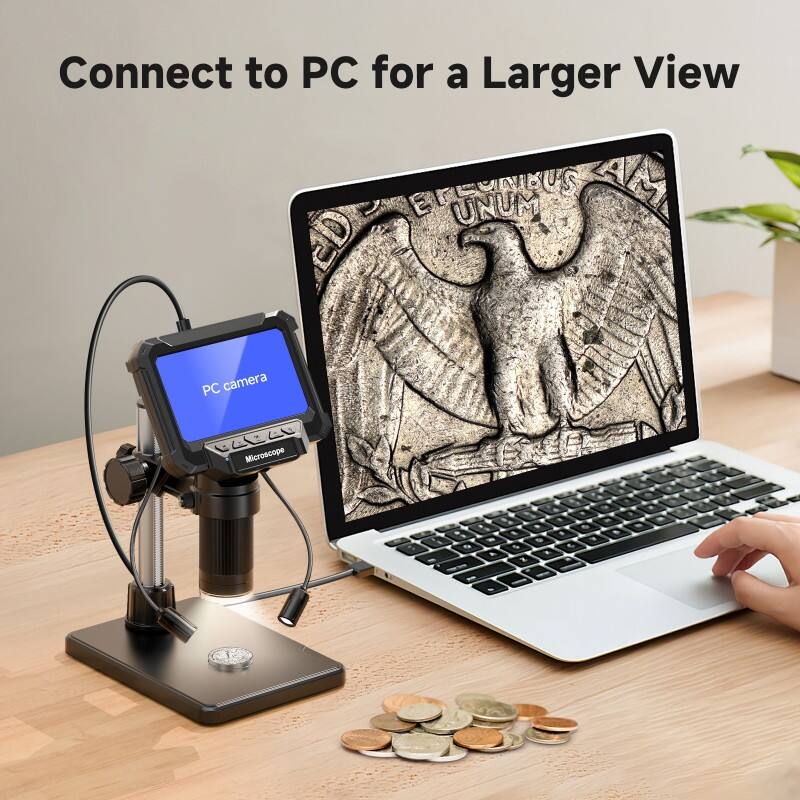
Coin collecting has evolved dramatically over the past decade, with numismatists increasingly relying on advanced optical equipment to examine their precious specimens. A high-quality microscope for coins has become an indispensable tool for serious collectors, dealers, and researchers who need to assess coin conditions, identify mint marks, and detect authentication features with precision. The right magnification equipment can reveal intricate details that determine a coin's grade, rarity, and ultimately its market value in today's competitive collecting environment.
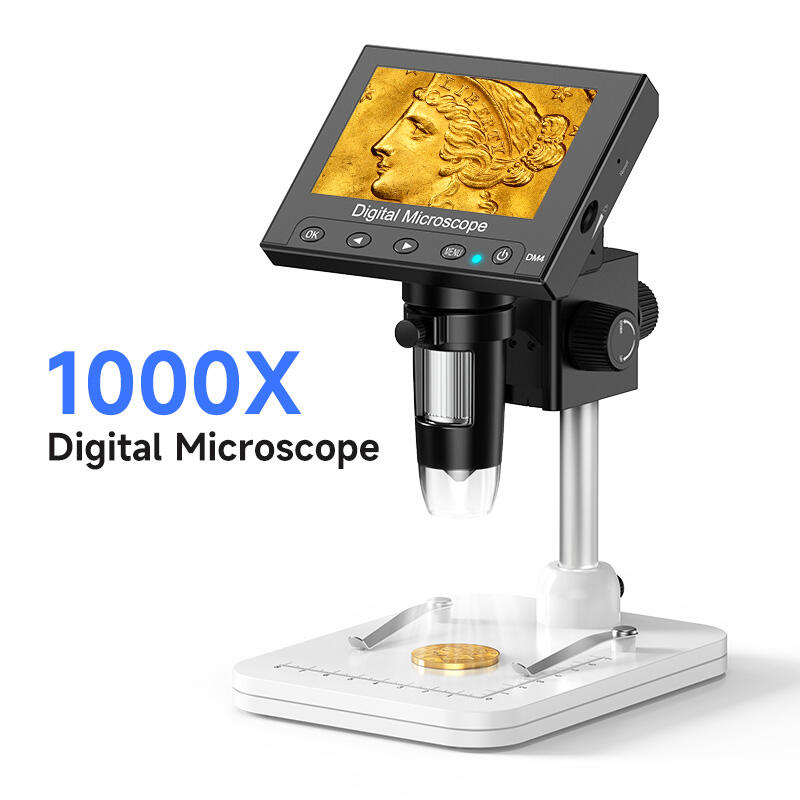
Modern coin examination requires sophisticated optical instruments that can provide clear, distortion-free images across various magnification levels. Professional numismatists understand that investing in a premium microscope for coins directly correlates with their ability to make accurate assessments and informed purchasing decisions. The market offers numerous options ranging from basic handheld magnifiers to advanced digital systems with integrated cameras and measurement capabilities.
Today's collectors face unique challenges when selecting appropriate magnification equipment, particularly with the proliferation of counterfeit coins and sophisticated reproduction techniques. Understanding the technical specifications, optical quality, and practical applications of different microscope types becomes crucial for making the right investment decision that will serve collectors for years to come.
Essential Features of Professional Coin Microscopes
Magnification Range and Optical Quality
The optimal microscope for coins should provide a versatile magnification range typically spanning from 10x to 200x, allowing collectors to examine everything from overall surface conditions to microscopic mint marks and die varieties. Lower magnifications around 10x to 40x are ideal for general coin assessment, surface luster evaluation, and initial condition grading. These power levels enable collectors to view the entire coin surface while maintaining excellent depth of field and natural color representation.
Higher magnification levels between 50x and 100x become essential when examining specific features such as mint marks, designer initials, die cracks, and authentication elements. Professional-grade optics at these magnification levels must maintain exceptional clarity without chromatic aberration or edge distortion that could compromise accurate analysis. The most advanced microscope for coins systems incorporate specialized lens coatings and multi-element objective designs to ensure consistent image quality across the entire magnification spectrum.
Maximum magnification capabilities exceeding 100x prove invaluable for detecting subtle alterations, analyzing surface treatments, and identifying microscopic details that distinguish genuine coins from sophisticated reproductions. However, achieving useful magnification at these levels requires superior optical engineering, stable mechanical construction, and precise focusing mechanisms that maintain image sharpness throughout the viewing range.
Illumination Systems and Color Accuracy
Proper illumination represents a critical component of any professional microscope for coins, as inadequate or poorly designed lighting can mask important details or create misleading visual artifacts. Modern coin microscopes typically employ LED illumination systems that provide consistent, cool-running light sources with excellent color temperature control. The most effective designs incorporate both incident and transmitted lighting options, allowing collectors to examine coins under various lighting conditions that reveal different surface characteristics.
Advanced illumination systems feature adjustable intensity controls and color temperature settings that enable collectors to replicate standardized grading conditions or customize lighting for specific examination purposes. Some premium microscope for coins models include polarized light capabilities that eliminate surface reflections and enhance contrast when examining heavily toned or proof coins with mirror-like surfaces.
Ring light configurations have gained popularity among coin collectors because they provide even, shadow-free illumination that eliminates the directional lighting artifacts common with traditional single-point sources. This uniform illumination proves particularly valuable when photographing coins or conducting detailed surface analysis where consistent lighting across the entire specimen becomes essential for accurate documentation.
Digital Integration and Documentation Capabilities
Camera Systems and Image Capture
Contemporary coin examination increasingly relies on digital documentation capabilities that allow collectors to capture, store, and analyze high-resolution images of their specimens. The most sophisticated microscope for coins systems integrate professional-grade cameras with specialized software designed specifically for numismatic applications. These digital systems enable collectors to create detailed photographic records that serve multiple purposes including insurance documentation, authentication verification, and condition monitoring over time.
High-resolution camera integration allows collectors to capture images at various magnification levels while maintaining consistent exposure settings and color accuracy. Professional systems often include features such as focus stacking, which combines multiple images at different focal planes to create composite photographs with exceptional depth of field that would be impossible to achieve with traditional optical systems alone.
Advanced software packages accompanying digital microscope for coins systems provide measurement tools, annotation capabilities, and database integration features that transform simple image capture into comprehensive documentation systems. These tools enable collectors to create detailed condition reports, track changes over time, and maintain professional-quality records that enhance both personal collection management and commercial activities.
Connectivity and Software Features
Modern digital microscope for coins systems offer extensive connectivity options including USB, WiFi, and Bluetooth capabilities that integrate seamlessly with computers, tablets, and smartphones. This connectivity enables real-time image sharing, remote examination capabilities, and cloud-based storage solutions that provide accessibility and backup security for valuable documentation.
Specialized software applications designed for numismatic use include features such as automated measurement tools, grade estimation algorithms, and comparative analysis functions that assist collectors in making more accurate assessments. Some advanced systems incorporate artificial intelligence capabilities that can identify coin types, detect common varieties, and flag potential authentication concerns based on extensive databases of known specimens.
Integration with popular collection management software allows seamless transfer of images and data directly into existing inventory systems, eliminating manual data entry and reducing the potential for documentation errors. This level of integration proves particularly valuable for dealers and professional numismatists who require efficient workflow management and comprehensive record-keeping capabilities.
Mechanical Design and Ergonomic Considerations
Stability and Precision Engineering
The mechanical construction of a professional microscope for coins directly impacts both image quality and user experience during extended examination sessions. Premium systems feature heavy, vibration-resistant bases constructed from materials such as cast iron or machined aluminum that provide the stable platform necessary for high-magnification work. This mechanical stability becomes increasingly important as magnification levels increase, where even minor vibrations can render detailed examination impossible.
Precision focusing mechanisms represent another critical aspect of mechanical design, with the best systems incorporating both coarse and fine focus controls that allow smooth, accurate positioning throughout the magnification range. High-quality focusing systems maintain consistent performance over thousands of adjustment cycles while providing the precise control necessary for optimal image sharpness at all magnification levels.
Stage design and coin positioning systems vary significantly among different microscope for coins models, with the most effective designs providing secure specimen holding without risk of damage or movement during examination. Some advanced systems include rotating stages that allow complete coin examination without manual repositioning, while others feature specialized coin holders designed to accommodate various sizes and thicknesses safely.
User Comfort and Workflow Efficiency
Extended coin examination sessions require microscope for coins systems designed with user comfort and ergonomic principles in mind. Eyepiece design, viewing angle adjustment, and overall instrument geometry significantly impact user fatigue and examination efficiency during prolonged use. Professional systems often include adjustable eyepiece spacing, diopter correction capabilities, and ergonomic viewing angles that accommodate different users and reduce eye strain.
Working distance considerations become particularly important when examining larger coins or medallions, as insufficient clearance between the objective lens and specimen can limit accessibility and create handling difficulties. The most versatile systems provide adequate working distance at useful magnification levels while maintaining excellent optical performance and illumination effectiveness.
Control placement and operational simplicity contribute significantly to workflow efficiency, with the best designs placing frequently used adjustments within easy reach and providing intuitive operation that minimizes learning curves. Professional-grade microscope for coins systems balance comprehensive functionality with streamlined operation that supports efficient examination procedures.
Market Analysis and Manufacturer Comparison
Leading Brand Evaluation
The professional microscope for coins market includes several established manufacturers known for producing high-quality optical equipment specifically designed for numismatic applications. German and Japanese manufacturers typically dominate the premium market segment, offering systems with superior optical quality, precision engineering, and comprehensive warranty support that justify their higher initial investment costs.
Chinese manufacturers have increasingly entered the market with competitively priced alternatives that provide excellent value for collectors with more modest budgets or specific application requirements. While these systems may not match the ultimate optical performance of premium European or Japanese instruments, many offer surprisingly capable performance and feature sets that satisfy the majority of coin examination needs.
American manufacturers focus primarily on specialized applications and custom solutions, often providing unique features or configurations designed for specific numismatic research or commercial applications. These systems frequently incorporate the latest digital technologies and software integration capabilities that appeal to technically sophisticated users seeking cutting-edge functionality.
Price Segments and Value Considerations
Entry-level microscope for coins systems typically range from $200 to $800, offering basic magnification capabilities suitable for hobbyist collectors and casual examination needs. These systems generally provide adequate optical quality for general coin assessment while incorporating some digital features such as basic camera integration or simple measurement tools.
Mid-range systems spanning $800 to $2500 represent the sweet spot for serious collectors and part-time dealers, offering professional-grade optics, comprehensive magnification ranges, and advanced digital capabilities without the premium pricing of top-tier equipment. These systems typically provide the best balance of performance, features, and value for most numismatic applications.
Premium microscope for coins systems exceeding $2500 incorporate the finest optical components, precision mechanical engineering, and comprehensive digital integration capabilities designed for professional numismatists, researchers, and high-volume dealers. These investments typically provide superior long-term value through enhanced durability, comprehensive warranty coverage, and ongoing technical support.
Application-Specific Considerations
Authentication and Grading Applications
Professional authentication work requires microscope for coins systems capable of revealing the subtle details that distinguish genuine specimens from sophisticated counterfeits. This application demands superior optical quality, comprehensive magnification ranges, and specialized illumination capabilities that can expose surface treatments, die characteristics, and manufacturing techniques used in reproduction attempts.
Grading applications benefit from systems that provide consistent, calibrated magnification levels and standardized illumination conditions that support repeatable assessments. Many professional grading services utilize specific microscope for coins configurations that have been validated for accuracy and consistency, ensuring that condition assessments meet industry standards and maintain credibility in commercial transactions.
Documentation requirements for authentication and grading work often necessitate high-resolution digital capture capabilities with precise measurement tools and annotation features. These requirements favor systems with integrated cameras, specialized software, and comprehensive data management capabilities that support professional workflow requirements and regulatory compliance needs.
Research and Educational Uses
Academic research applications require microscope for coins systems with exceptional optical performance, precise measurement capabilities, and comprehensive documentation features that support scholarly publication standards. Research-grade systems often incorporate specialized features such as polarized light capabilities, spectral analysis integration, and advanced imaging techniques that enable detailed material analysis and comparative studies.
Educational applications benefit from systems designed for multiple users with robust construction, simple operation, and comprehensive safety features. Educational microscope for coins systems often emphasize durability and ease of maintenance over ultimate optical performance, while still providing sufficient quality for effective teaching and learning applications.
Museum and institutional applications require systems that balance high performance with security considerations, often incorporating specialized mounting systems, theft protection features, and remote monitoring capabilities. These specialized requirements may justify custom configurations or enhanced security features not typically found in consumer-oriented systems.
Maintenance and Long-term Ownership
Routine Care and Cleaning Procedures
Proper maintenance significantly extends the service life and performance of any microscope for coins system while protecting the substantial investment these instruments represent. Regular cleaning procedures focus primarily on optical components, which require careful attention to prevent scratches, contamination, or coating damage that could compromise image quality or necessitate expensive repairs.
Lens cleaning requires specialized materials and techniques designed specifically for precision optical components, with microfiber cloths and optical cleaning solutions providing safe, effective maintenance options. Mechanical components benefit from periodic lubrication and adjustment procedures that maintain smooth operation and prevent wear-related performance degradation over time.
Environmental considerations play an important role in microscope for coins longevity, with proper storage conditions, dust protection, and humidity control significantly impacting both optical and mechanical component lifespan. Professional systems often include protective covers, storage cases, and environmental monitoring accessories that help maintain optimal conditions between use periods.
Warranty Coverage and Service Support
Comprehensive warranty coverage represents a critical consideration when investing in professional microscope for coins equipment, as repair costs for precision optical and mechanical components can be substantial. Premium manufacturers typically provide multi-year warranty coverage that includes both parts and labor, while also maintaining extensive service networks that ensure timely repairs and technical support.
Service availability varies significantly among manufacturers and geographic regions, with established brands generally offering superior support networks and parts availability compared to newer or specialized manufacturers. This service infrastructure becomes particularly important for professional users who cannot tolerate extended downtime or service delays.
Upgrade and modernization options allow microscope for coins systems to incorporate new technologies and capabilities as they become available, extending useful service life and protecting initial investment value. Manufacturers that offer comprehensive upgrade programs and backward compatibility features provide superior long-term value for serious users.
FAQ
What magnification level is best for examining coin details?
The optimal magnification for coin examination depends on your specific needs, but most collectors find that a range of 20x to 100x covers the majority of applications. Lower magnifications around 20x to 40x work well for overall condition assessment and surface evaluation, while higher powers between 50x to 100x are necessary for examining mint marks, die varieties, and authentication features. A quality microscope for coins should provide this full range with clear, sharp images at all magnification levels.
How much should I expect to spend on a professional coin microscope?
Professional microscope for coins systems typically range from $500 to $3000 depending on optical quality, digital features, and mechanical precision. Entry-level professional systems around $500 to $1000 provide excellent optical performance for most collecting needs, while premium systems exceeding $2000 offer advanced digital integration, superior mechanical construction, and comprehensive warranty coverage. The investment should align with your intended use frequency and performance requirements.
Are digital microscopes better than traditional optical systems for coins?
Digital microscope for coins systems offer significant advantages in documentation, measurement, and sharing capabilities, making them increasingly popular among collectors and dealers. However, traditional optical systems may provide superior image quality for direct viewing applications, particularly at higher magnification levels. The best choice depends on whether you prioritize direct observation quality or digital documentation capabilities, with many professionals preferring hybrid systems that combine both approaches.
What lighting features are most important for coin examination?
Effective lighting is crucial for accurate coin examination, with LED illumination systems providing the best combination of consistent output, color accuracy, and cool operation. Ring lights or multiple-point illumination systems eliminate shadows and provide even coverage across the coin surface. Adjustable intensity controls and color temperature settings allow customization for different coin types and examination purposes, making these features essential in any professional microscope for coins setup.