 EN
EN

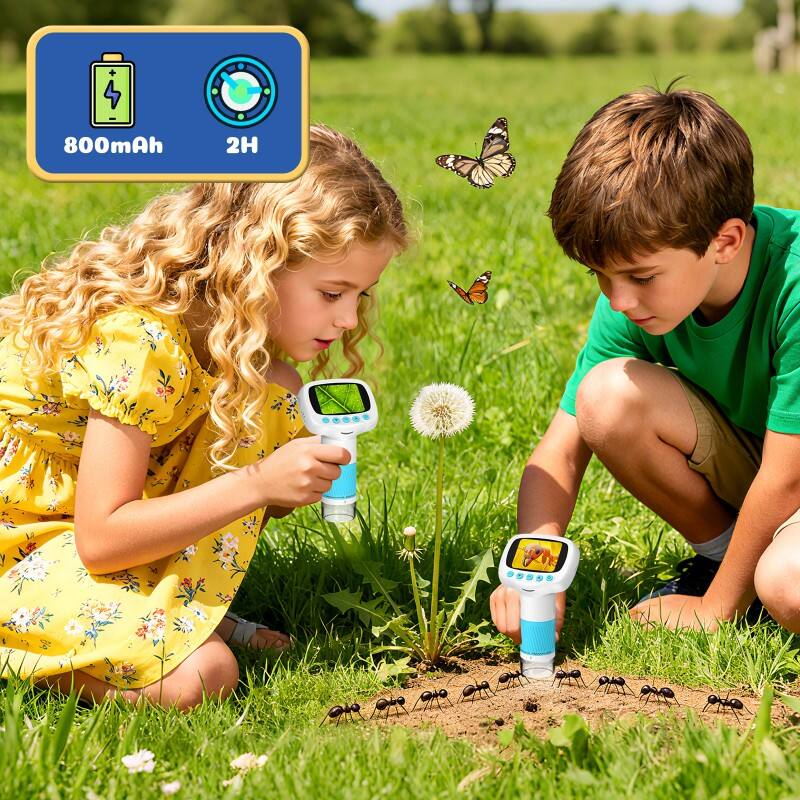
Discovering the microscopic world opens up endless possibilities for young learners, and choosing the right microscope for kid exploration is essential for fostering scientific curiosity. Educational microscopes designed specifically for children combine safety features with user-friendly designs that make learning both engaging and accessible. When parents invest in a quality microscope for kid activities, they provide their children with tools that can transform ordinary objects into extraordinary discoveries. Modern digital microscopes offer enhanced viewing experiences while maintaining the durability needed for enthusiastic young scientists.
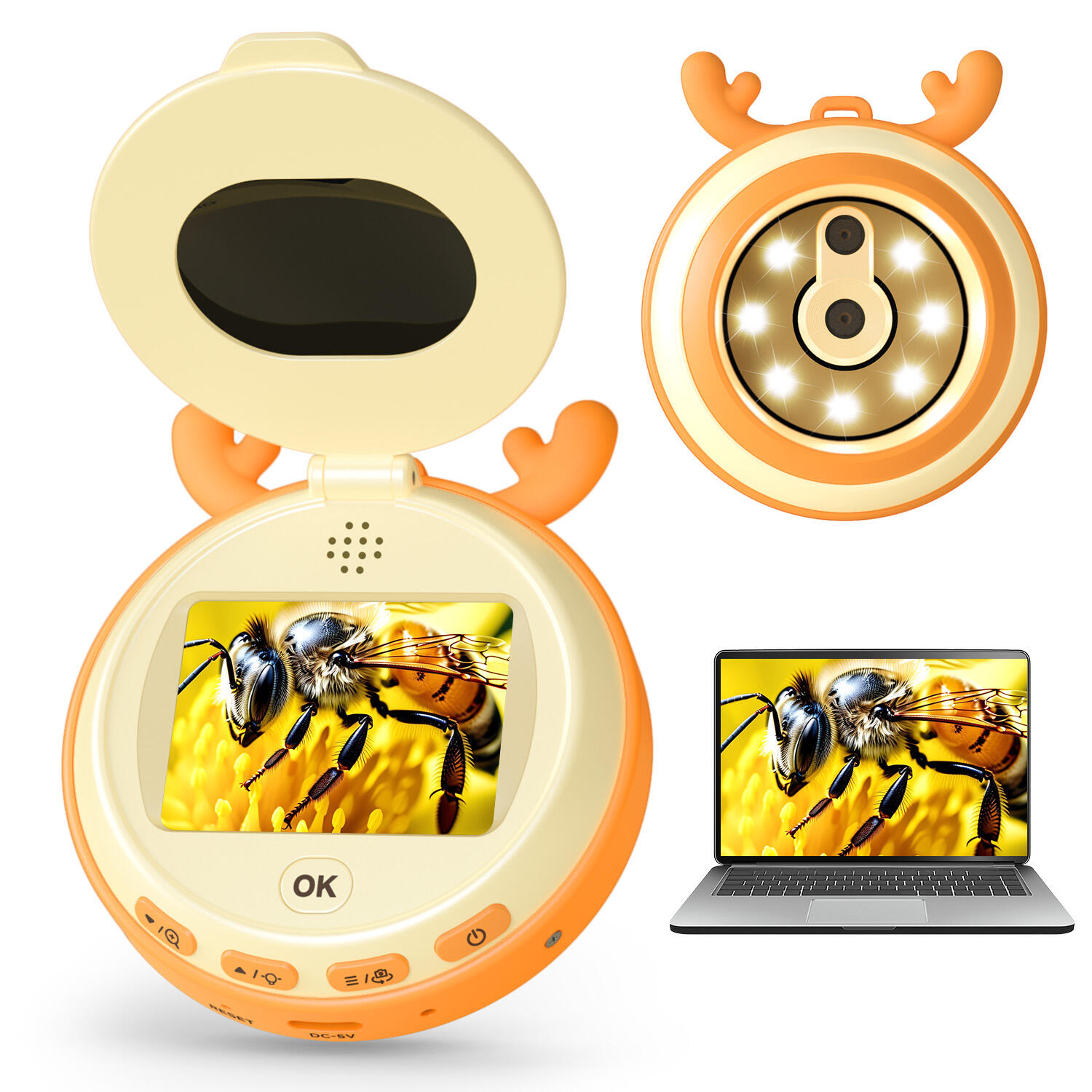
The benefits of introducing microscopy to children extend far beyond simple observation. A well-designed microscope for kid use encourages hands-on learning while developing critical thinking skills and scientific methodology. Children naturally possess curiosity about their environment, and microscopes provide the perfect medium for channeling that curiosity into structured learning experiences. Quality educational microscopes feature intuitive controls that allow young users to focus specimens independently, building confidence and technical skills simultaneously.
Essential Features for Children's Microscopes
Safety and Durability Considerations
Safety remains the paramount concern when selecting any microscope for kid applications. Child-friendly microscopes incorporate rounded edges, stable bases, and shatterproof materials that withstand the inevitable bumps and drops associated with enthusiastic young researchers. Premium models feature LED illumination systems that remain cool to the touch, eliminating burn risks while providing excellent specimen visibility. Durable construction ensures that these educational tools can endure years of regular use while maintaining optical clarity and mechanical precision.
The base design of a quality microscope for kid use should provide exceptional stability to prevent tipping during operation. Heavy, wide bases distribute weight effectively, while rubberized feet prevent sliding on smooth surfaces. Materials selection focuses on impact-resistant plastics and metals that can absorb shock without compromising internal optical components. Professional-grade microscopes designed for children often exceed standard toy safety requirements, ensuring peace of mind for parents and educators alike.
User-Friendly Design Elements
Ergonomic design principles play a crucial role in creating an effective microscope for kid users. Controls must be appropriately sized for small hands, with clear labeling and intuitive operation sequences that minimize frustration. Focus knobs require smooth operation with appropriate resistance to prevent over-adjustment, while eyepieces should accommodate various interpupillary distances to ensure comfortable viewing for different ages. Color-coded components and visual indicators help young users understand proper operation procedures without extensive adult supervision.
Digital display integration has revolutionized the microscope for kid market by eliminating eye strain associated with traditional eyepiece viewing. High-definition screens provide crystal-clear images that can be shared with multiple observers simultaneously, promoting collaborative learning experiences. Touch-screen interfaces offer intuitive navigation through various magnification levels and imaging options, making advanced microscopy techniques accessible to elementary-aged children. These technological advances transform microscopy from a solitary activity into an engaging group learning experience.
Age-Appropriate Microscope Selection
Preschool and Early Elementary Options
Selecting the appropriate microscope for kid users in the 4-6 age range requires careful consideration of developmental capabilities and attention spans. Simple stereoscopic microscopes with lower magnification ranges provide excellent starting points for young children, allowing them to examine leaves, insects, and everyday objects with enhanced detail. These entry-level instruments feature large, easy-to-grip focusing mechanisms and bright LED illumination that reveals hidden details in familiar items.
Digital microscopes with integrated screens eliminate the need for precise eye alignment while providing magnification levels appropriate for beginning observers. A quality microscope for kid beginners should offer magnification ranges between 10x and 100x, sufficient for revealing cellular structures in plant materials and surface textures in common objects. Pre-prepared slide sets featuring colorful specimens help maintain interest while introducing fundamental microscopy concepts through guided observation activities.
Advanced Elementary and Middle School Models
As children develop greater dexterity and scientific understanding, more sophisticated microscope for kid applications become appropriate. Compound microscopes with multiple objective lenses allow exploration of higher magnification ranges while introducing concepts of optical theory and specimen preparation. Models featuring both transmitted and reflected illumination expand observation possibilities to include opaque specimens alongside traditional prepared slides.
Advanced digital microscopes for older children incorporate image capture capabilities, enabling documentation of observations and creation of scientific journals. USB connectivity allows specimens to be viewed on computer screens while providing opportunities for measurement and annotation using specialized software. These features transform a basic microscope for kid use into a comprehensive research tool that supports advanced project-based learning and scientific investigation methodologies.
Digital vs Traditional Microscope Options
Benefits of Digital Microscopy for Children
Modern digital microscopes represent a significant advancement in microscope for kid design, offering numerous advantages over traditional optical models. Digital viewing eliminates eye strain and allows multiple children to observe specimens simultaneously, promoting collaborative learning and discussion. High-definition displays provide exceptional image clarity while built-in LED illumination systems offer consistent, adjustable lighting for optimal specimen visibility. Many digital models feature intuitive touch-screen controls that make magnification adjustment and image capture simple enough for elementary-aged users.
The educational value of a digital microscope for kid applications extends beyond simple observation through integrated documentation capabilities. Students can capture high-resolution images and videos of their specimens, creating permanent records of their discoveries for later analysis and sharing. Time-lapse photography features enable observation of dynamic processes like crystal formation or biological development, adding temporal dimensions to microscopic investigations. These advanced capabilities transform routine observations into comprehensive scientific documentation projects that enhance learning outcomes.
Traditional Optical Microscope Advantages
Despite technological advances, traditional optical microscopes maintain important advantages in microscope for kid education. Direct optical viewing provides authentic scientific experiences that connect young researchers with centuries of microscopic discovery tradition. The tactile nature of manual focus adjustment and eyepiece positioning develops fine motor skills while teaching fundamental principles of optical physics through hands-on manipulation.
Traditional microscopes often provide superior optical resolution at higher magnifications, making them ideal for advanced microscope for kid applications involving cellular biology and microorganism observation. Interchangeable eyepieces and objective lenses offer flexibility for different observation requirements while teaching students about optical system components and their functions. The absence of electronic components in basic optical models ensures reliable operation without concerns about battery life, software compatibility, or digital system failures that might interrupt learning activities.
Specimen Preparation and Safety Guidelines
Child-Safe Specimen Collection
Teaching proper specimen collection techniques is essential for maximizing the educational value of any microscope for kid activities. Safe collection methods focus on readily available materials like flower petals, leaf segments, and household items that pose no contamination risks. Children should learn to handle specimens gently while understanding the importance of cleanliness in maintaining optical clarity and preventing damage to microscope components.
Supervision becomes crucial when children venture beyond basic plant materials to explore more complex specimens. Pond water samples and soil preparations can reveal fascinating microorganisms, but require proper handling procedures to ensure safety. A comprehensive microscope for kid program should include detailed guidelines for specimen collection, preparation, and disposal that prioritize child safety while maximizing learning opportunities. Pre-packaged specimen kits provide excellent alternatives for parents concerned about outdoor collection activities.
Proper Maintenance and Care
Establishing proper care routines ensures long-term performance and educational value from any microscope for kid investment. Children should learn basic cleaning procedures using appropriate materials that won't scratch optical surfaces or damage delicate components. Regular maintenance schedules help develop responsibility while protecting expensive educational equipment from damage caused by neglect or improper storage conditions.
Storage considerations play a vital role in maintaining microscope performance and extending instrument lifespan. Proper cases protect microscope for kid units from dust, moisture, and physical damage while providing organized storage for accessories and specimens. Climate-controlled environments prevent condensation issues that can fog optical elements, while regular inspection schedules help identify potential problems before they compromise instrument functionality.
Educational Applications and Learning Outcomes
STEM Integration Opportunities
Incorporating microscopy into comprehensive STEM education programs amplifies the learning potential of any microscope for kid applications. Cross-curricular connections link microscopic observations to mathematics through measurement activities, engineering through optical design studies, and technology through digital imaging applications. Biology concepts become tangible when students observe actual cellular structures, while chemistry principles emerge through crystal formation observations and material analysis projects.
Project-based learning approaches maximize the educational impact of microscope for kid activities by connecting observations to real-world applications. Environmental science projects benefit from microscopic analysis of water quality indicators, while materials science investigations explore surface textures and structural properties. Art integration opportunities emerge through microscopic photography projects that reveal the hidden beauty in everyday objects, creating interdisciplinary learning experiences that appeal to diverse learning styles and interests.
Scientific Method Development
Regular use of a microscope for kid activities naturally develops scientific thinking skills through structured observation and hypothesis formation. Students learn to ask meaningful questions about their observations while developing systematic approaches to investigation and analysis. Documentation requirements inherent in microscopy work teach proper record-keeping techniques while encouraging detailed observation skills that transfer to other scientific disciplines.
Critical thinking development accelerates when children use microscopes to test predictions and verify hypotheses through direct observation. Comparative analysis activities using different specimens or magnification levels teach scientific reasoning while building confidence in drawing evidence-based conclusions. The immediate visual feedback provided by microscope for kid observations creates powerful learning connections that reinforce scientific concepts through direct sensory experience rather than abstract theoretical discussions.
FAQ
What age is appropriate for introducing children to microscopes
Children as young as 4 years old can begin exploring with simple digital microscopes designed specifically for young learners. However, the optimal age for introducing a microscope for kid use typically ranges from 6-8 years when children have developed sufficient fine motor skills and attention spans for focused observation activities. Younger children benefit from adult supervision and guidance, while older elementary students can operate many models independently with proper instruction.
How do digital microscopes compare to traditional optical models for children
Digital microscopes offer significant advantages for young users, including easier operation, shared viewing experiences, and built-in documentation capabilities. A quality digital microscope for kid applications eliminates eye strain while providing crisp display images that multiple observers can view simultaneously. Traditional optical microscopes provide authentic scientific experiences and often superior resolution at higher magnifications, making them suitable for more advanced young researchers.
What safety features should parents look for in children's microscopes
Essential safety features include LED lighting systems that remain cool during operation, shatterproof construction materials, and stable base designs that prevent tipping. A reliable microscope for kid use should incorporate rounded edges, secure component mounting, and age-appropriate control sizing. Look for models that meet or exceed standard toy safety requirements while providing adequate durability for regular educational use.
What maintenance is required for children's microscopes
Regular cleaning of optical surfaces using appropriate lens tissues and solutions maintains image clarity, while proper storage in protective cases prevents dust accumulation and physical damage. Teaching children basic care procedures for their microscope for kid equipment develops responsibility while ensuring long-term instrument performance. Monthly inspection of mechanical components and annual professional servicing for advanced models help maintain optimal functionality throughout the instrument's educational lifespan.