 EN
EN

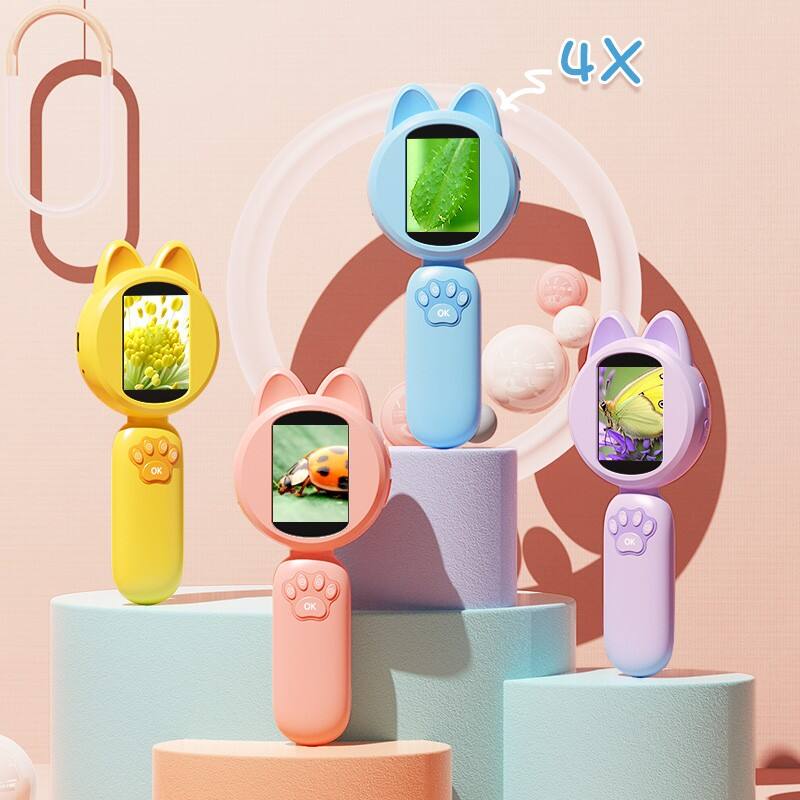
Introducing young minds to the fascinating world of microscopy opens doors to scientific discovery and wonder. A microscope for kid use transforms ordinary objects into extraordinary adventures, revealing hidden details that spark curiosity and learning. Through hands-on exploration, children develop critical observation skills while having fun with science. These powerful tools make complex scientific concepts accessible and engaging for young learners. The right microscope for kid activities can turn any home into a mini laboratory where discovery happens daily.
Essential Features of Educational Microscopes
Age-Appropriate Design Elements
When selecting a microscope for kid use, durability stands as the primary consideration. Young scientists tend to be enthusiastic handlers, making robust construction essential for long-term educational value. Quality educational microscopes feature reinforced bases, secure lens systems, and child-friendly controls that withstand regular use. The ergonomic design ensures comfortable viewing angles while maintaining proper posture during extended observation sessions.
Safety features play a crucial role in microscope for kid applications. LED illumination systems eliminate heat concerns while providing bright, clear lighting for specimen observation. Non-toxic materials and smooth edges prevent injuries during handling and operation. These thoughtful design elements create a safe learning environment where children can explore confidently.
Technical Specifications for Learning
Magnification ranges between 40x and 400x provide ideal viewing capabilities for most educational purposes. This range allows young scientists to observe cellular structures, examine fabric fibers, and explore crystal formations with appropriate detail levels. Higher magnifications often prove too complex for beginning users, while lower magnifications may not provide sufficient detail for engaging discoveries.
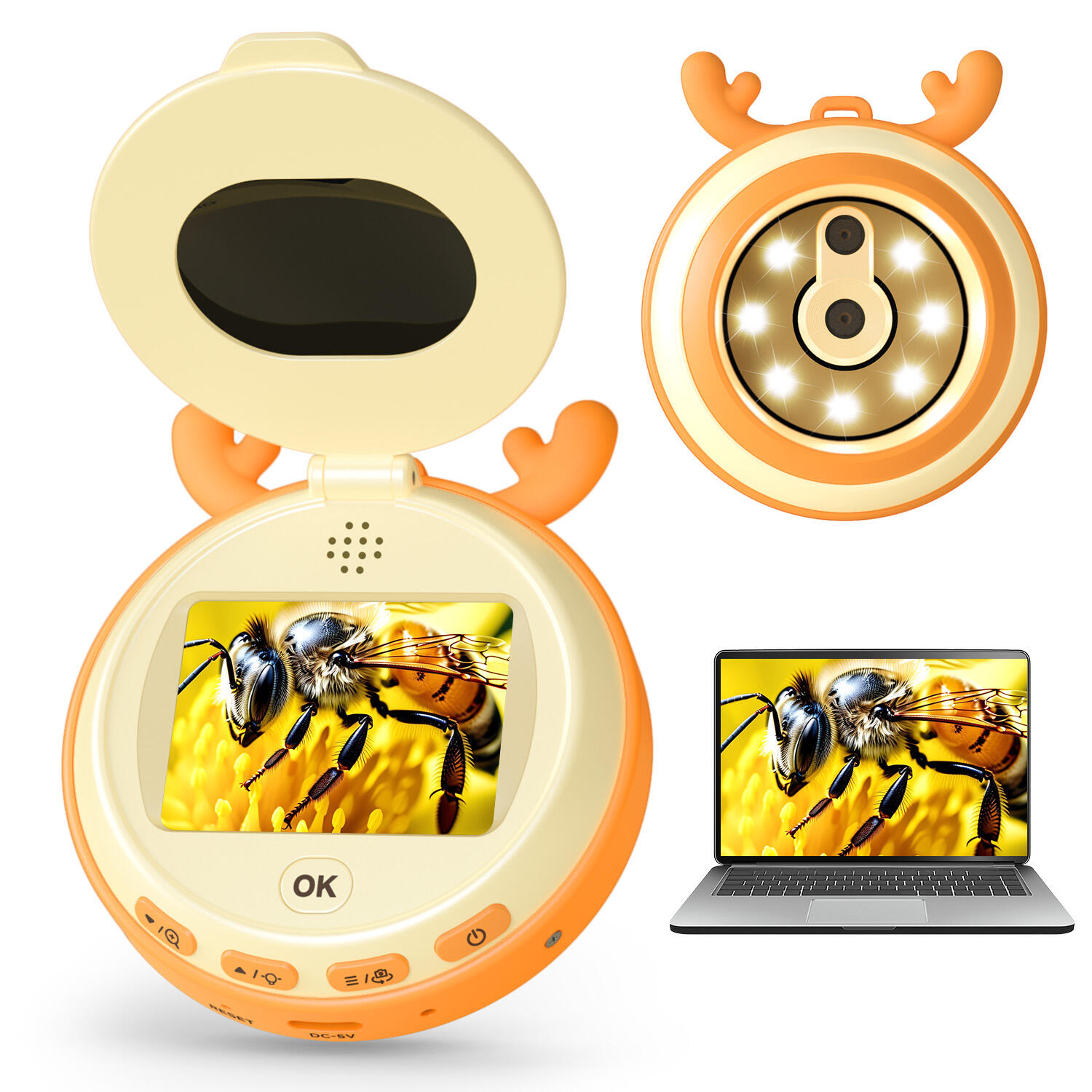
Digital integration enhances the traditional microscope for kid experience through modern technology. Built-in cameras capture and share discoveries with family and friends, creating lasting memories of scientific exploration. Screen displays eliminate the need for single-eye viewing, making observations more comfortable and accessible for group learning activities.
Creative Laboratory Projects for Young Scientists
Kitchen Science Explorations
Kitchen ingredients offer endless possibilities for microscopic investigation using any quality microscope for kid activities. Salt crystals reveal geometric patterns that demonstrate crystalline structure principles. Sugar granules display unique formations that vary between different types and processing methods. These familiar materials become teaching tools for basic chemistry and physics concepts.
Investigating food samples provides practical applications for microscopy skills. Examining onion skin cells introduces cellular biology concepts through easily obtainable specimens. Bread mold growth demonstrates fungal structures while teaching about microorganisms in everyday environments. These kitchen-based experiments make science relevant and accessible to daily life experiences.
Nature-Based Discovery Activities
Outdoor specimen collection transforms routine walks into scientific expeditions with a portable microscope for kid investigations. Flower petals reveal intricate cellular structures and pigment distributions that explain color variations. Leaf surfaces display stomata and vein patterns that illustrate plant physiology concepts. These natural specimens provide endless variety for continued exploration and learning.
Pond water samples introduce microscopic life forms that captivate young imaginations. Paramecia, algae, and other microorganisms demonstrate living systems in action. Rock and mineral samples showcase geological formations and crystal structures. These diverse specimens maintain interest while building comprehensive scientific knowledge through hands-on discovery.
Educational Benefits and Skill Development
Scientific Method Application
Using a microscope for kid education naturally incorporates scientific method principles through structured observation activities. Children learn to form hypotheses about specimen characteristics before examination. Detailed observations lead to conclusions about structure, function, and relationships between different specimens. This systematic approach builds critical thinking skills essential for future scientific endeavors.
Documentation practices develop through recording observations and creating specimen logs. Drawing skills improve as children attempt to recreate what they observe through the microscope eyepiece. Written descriptions enhance vocabulary while reinforcing scientific terminology. These activities combine artistic expression with scientific observation for comprehensive learning experiences.
Cognitive Development Enhancement
Regular microscope for kid activities strengthen attention spans through focused observation sessions. Pattern recognition improves as children identify similarities and differences between various specimens. Spatial reasoning develops through three-dimensional interpretation of microscopic structures. These cognitive benefits extend beyond science education into general academic performance.
Problem-solving abilities grow through equipment operation and specimen preparation challenges. Children learn to adjust focus, lighting, and magnification settings to achieve optimal viewing conditions. Troubleshooting skills develop when images appear unclear or specimens require repositioning. These technical skills build confidence in using scientific instruments and technology.
Setting Up Your Home Laboratory
Essential Equipment and Supplies
Beyond the primary microscope for kid use, several accessories enhance the laboratory experience. Prepared slide sets provide immediate viewing opportunities while teaching proper specimen handling techniques. Blank slides and cover slips enable custom specimen preparation for personalized investigations. These basic supplies support independent exploration and experimentation.
Storage solutions keep specimens organized and easily accessible for repeated observations. Labeled containers maintain specimen integrity while teaching organizational skills. A dedicated workspace with proper lighting and comfortable seating encourages regular use and sustained interest. These environmental factors significantly impact learning outcomes and equipment longevity.
Safety Protocols and Best Practices
Establishing clear safety guidelines ensures positive experiences with microscope for kid activities. Proper handling techniques prevent damage to delicate optical components and mechanical systems. Cleaning procedures maintain image clarity while extending equipment lifespan. These maintenance practices teach responsibility while preserving investment value.
Adult supervision during initial learning phases builds confidence while preventing accidents. Gradual independence develops as children master basic operation procedures. Emergency procedures for glass breakage or chemical spills prepare young scientists for laboratory safety protocols. These foundational skills transfer to advanced scientific studies and laboratory work.
Advanced Project Ideas and Challenges
Comparative Analysis Studies
Comparing different materials under microscopic examination develops analytical thinking skills using any quality microscope for kid investigations. Fabric comparison studies reveal fiber structures and weaving patterns that explain material properties. Paper samples from various sources display fiber compositions and manufacturing differences. These comparative projects build understanding of material science concepts through direct observation.
Biological specimen comparisons introduce classification principles through structural analysis. Plant and animal cell differences become apparent through side-by-side observations. Seasonal changes in leaf structures demonstrate adaptation mechanisms. These studies connect microscopic observations to larger biological concepts and environmental relationships.
Time-Based Observation Projects
Longitudinal studies track changes over time using consistent microscope for kid documentation methods. Crystal growth experiments demonstrate chemical processes through visual progression. Bacterial culture observations reveal reproduction patterns and colony development. These extended projects teach patience while reinforcing scientific methodology through repeated observations.
Decay and decomposition studies illustrate biological cycles through microscopic examination. Fruit deterioration reveals cellular breakdown processes and microbial activity. Plant growth observations track cellular division and development patterns. These projects connect microscopic events to visible changes in the natural world.
Technology Integration and Digital Learning
Digital Documentation Methods
Modern microscope for kid models often include digital capabilities that enhance traditional observation methods. microscope for kid systems with integrated cameras enable specimen photography for detailed study and sharing. Video recording capabilities capture dynamic processes like cellular movement or crystal formation. These digital features create permanent records of discoveries while supporting collaborative learning experiences.
Image editing software teaches basic digital literacy skills while enhancing scientific observations. Measurement tools within microscopy software introduce quantitative analysis concepts. Comparison features enable side-by-side specimen analysis for detailed studies. These technological integrations prepare students for advanced scientific instrumentation and digital research methods.
Online Learning Resources
Internet resources expand microscope for kid learning opportunities beyond physical specimen collection. Virtual specimen libraries provide access to rare or dangerous materials safely. Interactive tutorials guide proper technique development and troubleshooting procedures. These digital resources supplement hands-on experiences while building technological literacy.
Online communities connect young scientists with peers and mentors worldwide. Specimen sharing platforms enable virtual collaborations and discoveries. Educational videos demonstrate advanced techniques and applications. These connections foster continued interest in scientific pursuits while building global awareness of scientific communities.
FAQ
What age is appropriate for introducing microscope activities
Children as young as four years old can begin exploring with a properly designed microscope for kid use, though supervision is essential at this age. Most educational microscopes target ages 6-12 when children develop sufficient fine motor skills and attention spans for meaningful observations. Older children can handle more complex preparations and extended observation sessions independently. The key is matching microscope complexity to developmental readiness rather than strict age guidelines.
How do you maintain and clean educational microscopes
Regular maintenance ensures optimal performance from any microscope for kid activities. Lens cleaning requires soft, lint-free cloths and appropriate cleaning solutions to prevent scratches or damage. Dust covers protect equipment when not in use, while proper storage prevents mechanical damage. Monthly cleaning schedules teach responsibility while preserving equipment functionality. Professional servicing may be necessary for advanced repairs or optical alignments.
What specimens work best for beginning microscopy projects
Common household items provide excellent starting specimens for microscope for kid investigations. Salt, sugar, and fabric samples offer clear, easily observed structures perfect for beginning users. Prepared slide sets ensure immediate success while building confidence with equipment operation. Natural specimens like flower petals and leaves connect microscopy to familiar objects while revealing hidden details.
How can microscope activities support STEM education goals
Microscope for kid programs integrate multiple STEM disciplines through hands-on exploration and discovery. Scientific observation skills develop through systematic specimen examination and documentation. Mathematical concepts emerge through measurement activities and geometric pattern recognition. Engineering principles appear in equipment operation and troubleshooting procedures. Technology integration through digital microscopy builds technical literacy and modern laboratory skills essential for future scientific endeavors.