 EN
EN

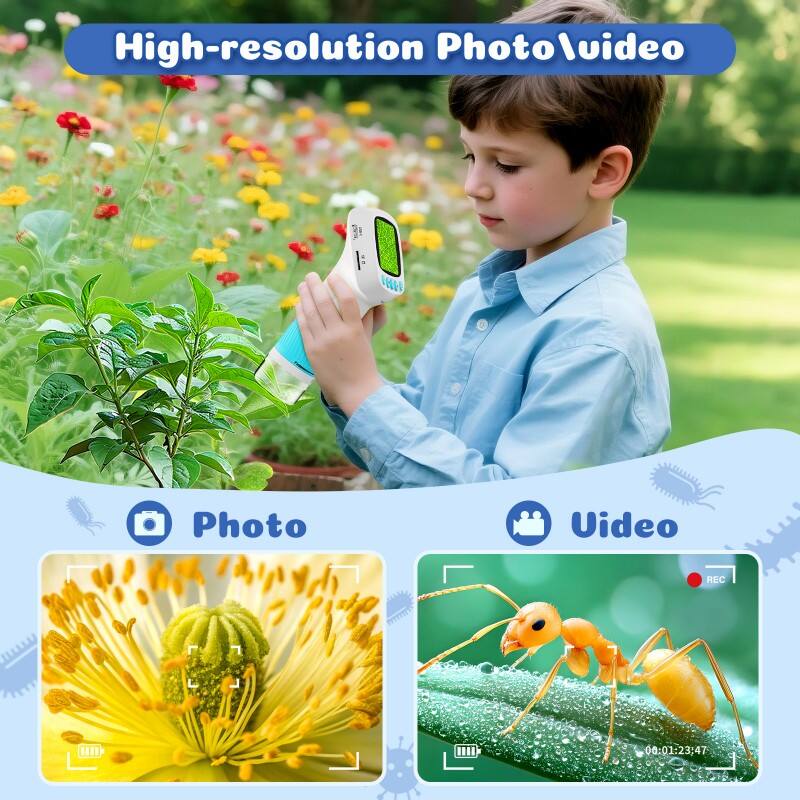
Selecting the perfect microscope for kid scientists represents one of the most meaningful investments parents can make in their child's educational journey. A quality microscope for kid exploration opens doors to invisible worlds, fostering curiosity about biology, chemistry, and the natural sciences. When children peer through their first lens and discover the intricate details of a flower petal or observe tiny organisms swimming in pond water, they develop a lifelong appreciation for scientific discovery. The right microscope for kid use should balance functionality with user-friendly features, ensuring young explorers can navigate their investigations safely and successfully. Modern microscope for kid designs incorporate digital displays, simplified focusing mechanisms, and durable construction to withstand enthusiastic handling by curious young minds.
Understanding Kid-Friendly Microscope Features
Essential Safety Considerations
Safety remains paramount when introducing children to microscopy, making specialized microscope for kid models essential rather than adapted adult equipment. These instruments feature rounded edges, non-slip bases, and shatterproof components that protect young users during hands-on exploration. LED illumination systems eliminate hot bulbs that could cause burns, while ergonomic eyepieces accommodate smaller facial structures comfortably. Quality microscope for kid products include safety locks on focusing knobs to prevent over-adjustment that might damage delicate mechanisms or prepared slides.
Manufacturers design microscope for kid models with simplified controls that reduce the likelihood of accidents or frustration during operation. Child-safe materials meet stringent toy safety standards, ensuring non-toxic construction throughout all user-contact surfaces. Protective cases and storage solutions keep instruments secure when not in use, preventing accidental damage that could create sharp edges or loose components. These safety features allow parents to confidently encourage independent exploration while maintaining peace of mind about their child's wellbeing.
Age-Appropriate Technology Integration
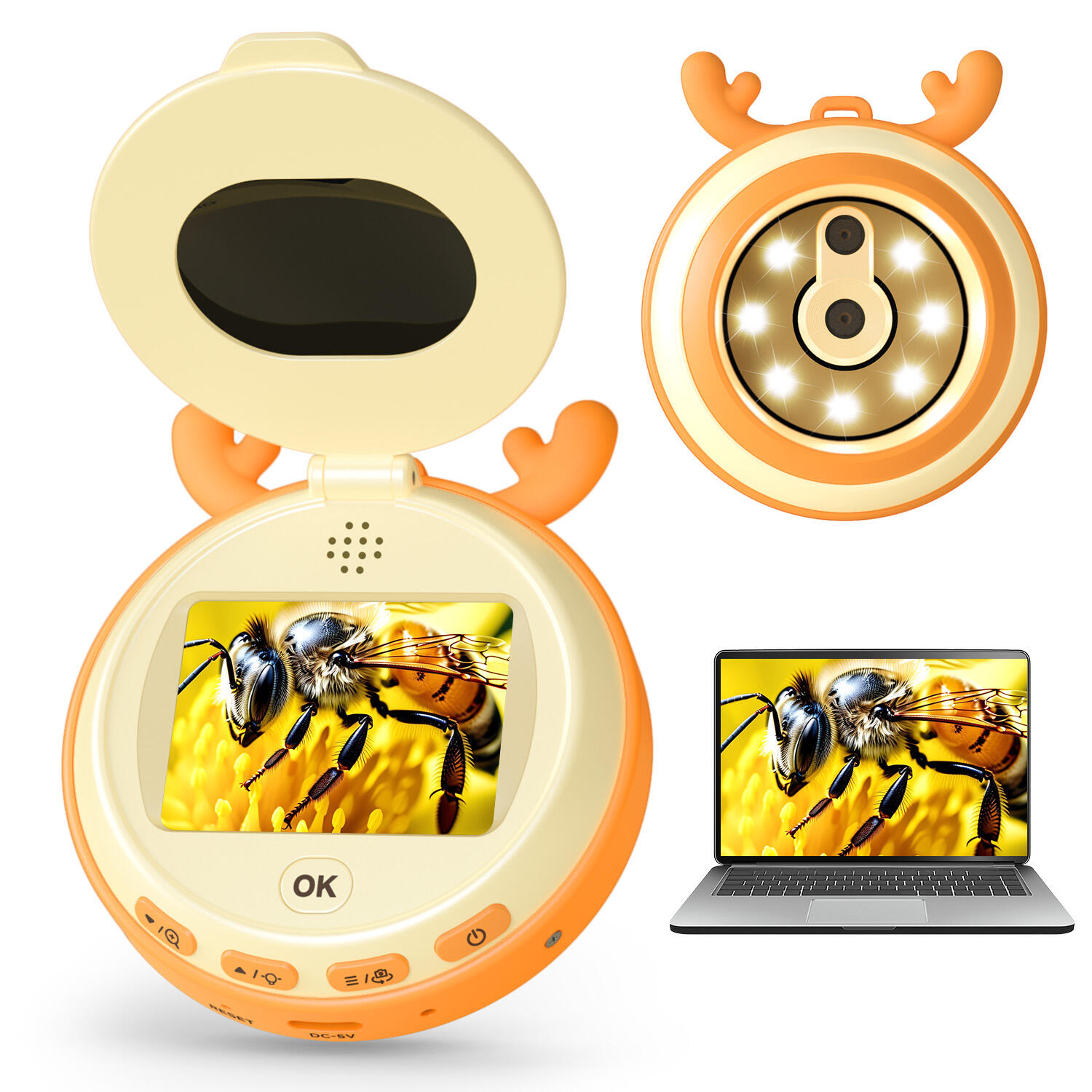
Modern microscope for kid designs seamlessly integrate digital technology to enhance learning experiences without overwhelming young users. Built-in cameras capture high-resolution images and videos, allowing children to document their discoveries and share findings with family members or classmates. Intuitive touchscreen interfaces replace complex adjustment dials, making magnification changes as simple as tapping icons. These technological enhancements transform traditional microscopy into interactive adventures that align with children's natural affinity for digital devices.
Educational apps and software platforms complement advanced microscope for kid systems, providing guided activities, identification resources, and virtual field trips that expand learning beyond physical specimens. Real-time image sharing capabilities enable collaborative learning experiences with peers or remote mentors. Digital zoom features extend magnification ranges beyond optical limits, revealing details that spark deeper investigation. However, manufacturers balance technological sophistication with fundamental hands-on learning, ensuring that digital enhancements support rather than replace direct observation skills.
Selecting the Right Magnification Range
Low Magnification Applications
Beginning microscope for kid adventures typically start with low magnification ranges between 40x and 100x, perfect for examining everyday objects that reveal surprising details under closer inspection. Flower petals, fabric fibers, insect wings, and crystal structures become fascinating subjects at these modest magnifications. Children can easily locate specimens in the field of view and maintain focus while developing basic microscopy techniques. This magnification range builds confidence and observation skills without the frustration that often accompanies higher magnifications requiring precise adjustments.
Low magnification observations help children understand the relationship between naked-eye appearances and magnified reality, establishing foundational concepts about scale and detail. Prepared slide sets designed for microscope for kid use often feature specimens optimized for these magnification ranges, ensuring successful viewing experiences from the very first session. Teachers and parents appreciate how low magnifications facilitate group observations, allowing multiple children to share discoveries easily. These initial positive experiences motivate continued exploration and create lasting enthusiasm for scientific investigation.
Progressive Magnification Development
As young scientists develop proficiency with basic techniques, their microscope for kid should offer progressive magnification options extending to 400x or 600x for intermediate exploration. This range reveals cellular structures in plant materials, bacterial colonies, and microscopic organisms that inhabit various environments. Higher magnifications require more sophisticated focusing skills and specimen preparation techniques, providing natural progression challenges that maintain engagement without overwhelming developing abilities. Quality instruments maintain image clarity across all magnification levels, ensuring that increased power delivers correspondingly improved detail visibility.
Advanced microscope for kid models may include oil immersion objectives or specialized phase contrast capabilities, introducing concepts that bridge toward professional-grade equipment. However, these features should remain optional rather than primary selling points, as most young users achieve satisfactory results within standard magnification ranges. The key lies in selecting instruments that grow with the child's developing skills rather than overwhelming them with complexity from the outset.
Specimen Preparation and Collection Techniques
Safe Specimen Gathering
Teaching children proper specimen collection transforms microscope for kid sessions into outdoor adventures that combine nature exploration with scientific methodology. Safe collection techniques emphasize observation ethics, environmental respect, and personal safety while gathering materials for microscopic examination. Simple tools like plastic tweezers, collection containers, and magnifying glasses enable young collectors to gather specimens without damaging natural habitats or risking injury from sharp objects or hazardous materials.
Supervised collection expeditions to gardens, parks, and safe natural areas provide abundant microscope for kid specimens while reinforcing outdoor safety principles. Children learn to identify and avoid potentially dangerous materials like poisonous plants, broken glass, or contaminated water sources. Documentation practices, including collection location notes and preliminary observations, introduce scientific record-keeping habits that enhance learning value. These preparation activities build anticipation for microscopic examination while developing responsible environmental stewardship attitudes.
Basic Slide Preparation Methods
Simple slide preparation techniques enable children to create their own specimens for microscope for kid investigation, moving beyond pre-made slides to active scientific engagement. Wet mount preparations using water drops allow examination of living organisms, crystal formation, and cellular structures with minimal equipment requirements. Dry mounting techniques work well for thin specimens like flower petals, onion skin, or fabric samples that require no additional preparation chemicals or complex procedures.
Age-appropriate staining methods using food coloring or commercial biological stains enhance specimen visibility without requiring hazardous chemicals unsuitable for young users. These preparation activities develop fine motor skills, following sequential instructions, and understanding cause-and-effect relationships between preparation quality and observation success. Microscope for kid experiences become more meaningful when children participate actively in creating their own specimens rather than simply viewing pre-prepared materials. Success in slide preparation builds confidence and encourages independent scientific exploration.
Educational Benefits and Learning Outcomes
STEM Skill Development
Regular microscope for kid activities strengthen multiple STEM competencies simultaneously, creating integrated learning experiences that reinforce mathematical, scientific, and technological concepts. Measurement skills develop through magnification calculations, scale comparisons, and specimen sizing activities that connect abstract mathematical concepts to tangible observations. Scientific methodology emerges naturally as children formulate hypotheses about specimen appearance, conduct systematic observations, and draw conclusions based on evidence gathered through their microscope for kid investigations.
Pattern recognition abilities strengthen as young observers identify similarities and differences across various specimens, developing classification skills fundamental to biological sciences. Technology integration through digital microscope for kid systems introduces basic computer operation, image processing, and data management concepts that prepare children for advanced scientific computing. These multidisciplinary benefits make microscopy investments valuable beyond simple science education, supporting overall cognitive development and academic preparation across multiple subject areas.
Critical Thinking Enhancement
Microscope for kid exploration naturally develops critical thinking skills as children encounter unexpected observations that challenge preconceived notions about familiar objects. The process of forming hypotheses, testing predictions, and revising understanding based on new evidence mirrors professional scientific reasoning while remaining accessible to young minds. Children learn to distinguish between observation and interpretation, developing analytical skills that transfer to academic and personal decision-making situations.
Problem-solving abilities emerge as young scientists troubleshoot focusing difficulties, lighting adjustments, and specimen preparation challenges inherent in microscope for kid operation. These technical problem-solving experiences build persistence, logical reasoning, and systematic approach skills valuable across educational and life contexts. The iterative nature of scientific observation encourages children to view mistakes as learning opportunities rather than failures, fostering resilience and growth mindset attitudes essential for academic success.
Maintenance and Care Guidelines
Daily Cleaning Procedures
Proper maintenance ensures microscope for kid instruments remain functional and safe throughout years of enthusiastic use by multiple young scientists. Daily cleaning routines should be simple enough for children to perform independently while thorough enough to prevent damage from dust, fingerprints, or specimen residue. Soft microfiber cloths remove dust and smudges from exterior surfaces without scratching delicate finishes or electronic displays. Lens cleaning requires special attention, using appropriate cleaning solutions and techniques that preserve optical quality without introducing scratches or coating damage.
Storage procedures protect microscope for kid equipment from environmental damage while ensuring quick setup for spontaneous observation sessions. Dedicated storage cases or designated shelf space prevents accidental impacts, dust accumulation, and component loss that could render instruments unusable. Teaching children to return accessories to designated locations builds organizational skills while maintaining equipment readiness. These maintenance habits extend instrument lifespan while reinforcing responsibility and equipment respect attitudes that transfer to other valuable possessions.
Troubleshooting Common Issues
Understanding common microscope for kid operational challenges enables parents and children to resolve minor issues independently, maintaining momentum in learning activities. Focusing difficulties often result from improper specimen positioning, incorrect magnification selection, or lighting adjustments that simple procedural corrections can address. Image quality problems typically trace to dirty lenses, inadequate illumination, or specimen preparation issues that systematic troubleshooting approaches can identify and resolve.
Digital microscope for kid systems may experience connectivity issues, software glitches, or calibration problems that require basic technical troubleshooting skills. Manufacturer support resources, including online tutorials, user manuals, and customer service contacts, provide backup assistance when self-help measures prove insufficient. Building children's confidence in addressing technical challenges independently prepares them for increasingly sophisticated scientific equipment while preventing minor issues from disrupting learning enthusiasm. Regular maintenance check procedures help identify developing problems before they become serious operational barriers.
FAQ
What age is appropriate for a child's first microscope
Most children between ages 6 and 8 possess sufficient fine motor skills and attention span for successful microscope for kid operation, though individual readiness varies significantly. Younger children may benefit from adult assistance during initial sessions, while older children often manage independent operation after brief instruction periods. Consider the child's interest level, previous experience with delicate equipment, and ability to follow multi-step procedures when determining readiness. Starting with simpler models allows skill development before progressing to more sophisticated microscope for kid options.
How much should parents expect to spend on a quality kids microscope
Quality microscope for kid instruments range from $50 for basic optical models to $300 for advanced digital systems with camera capabilities and educational software. Budget-conscious families can find excellent starter options under $100 that provide years of educational value, while families seeking premium features may invest more in sophisticated systems. Consider long-term educational value, durability requirements, and feature preferences when establishing budget parameters. Many microscope for kid models offer excellent performance within moderate price ranges, making this educational investment accessible to most families.
What specimens work best for beginning microscope users
Beginning microscope for kid sessions succeed best with easily obtained, high-contrast specimens that reveal clear details without complex preparation requirements. Onion skin, flower petals, fabric fibers, salt crystals, and prepared biological slides provide excellent starting materials that guarantee successful observations. Avoid specimens requiring advanced preparation techniques or hazardous chemicals until children develop basic microscopy competency. Many microscope for kid packages include specimen sets specifically chosen for age-appropriate exploration and guaranteed viewing success.
Can digital microscopes replace traditional optical models for educational purposes
Digital microscope for kid systems offer unique advantages including image capture, sharing capabilities, and user-friendly interfaces, but traditional optical models provide direct viewing experiences that some educators prefer. Digital systems excel in classroom settings and group learning situations, while optical models develop fundamental observation skills without technological mediation. Many families benefit from combination approaches, starting with optical microscope for kid models before progressing to digital systems as children mature and develop technological sophistication. Both formats offer valuable educational benefits when matched appropriately to user needs and learning objectives.