 EN
EN

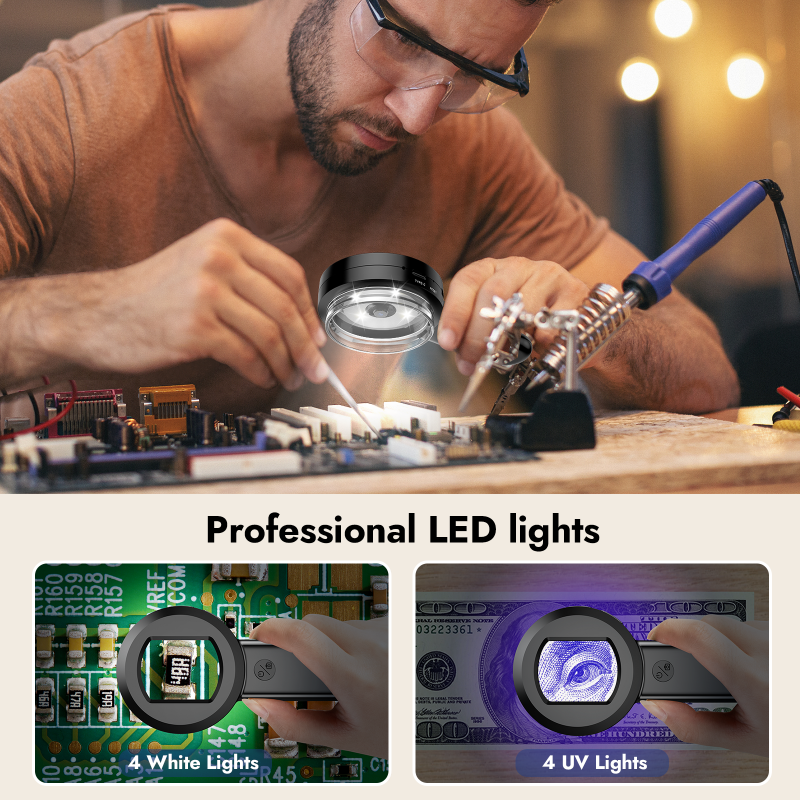
Finding affordable magnifying glass digital solutions under $50 has become increasingly important for professionals, students, and hobbyists who need reliable magnification without breaking the budget. The digital magnifying glass market has evolved significantly, offering powerful optical solutions that combine traditional magnification with modern digital display technology. These budget-friendly devices provide excellent value while delivering the precision and clarity needed for detailed inspection work, educational activities, and professional applications.
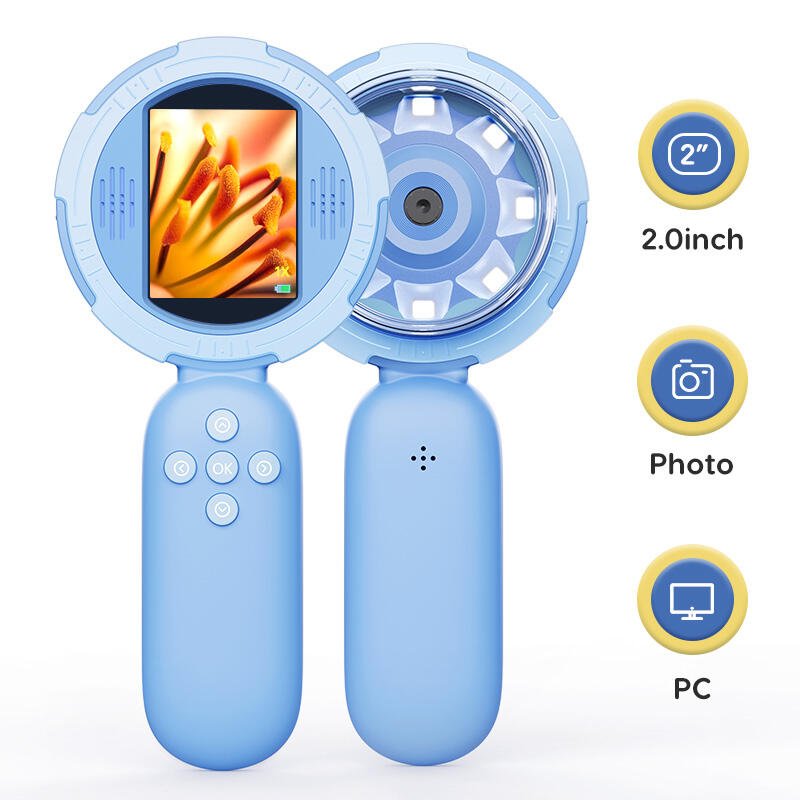
The best magnifying glass digital solutions under $50 demonstrate that advanced optical technology doesn't require premium pricing. These devices typically feature high-resolution displays, LED illumination systems, and magnification capabilities that rival more expensive alternatives. Understanding the key features, performance characteristics, and value propositions of these budget-conscious options enables informed purchasing decisions that maximize both functionality and cost-effectiveness.
Essential Features of Budget Digital Magnifying Solutions
Display Technology and Resolution Standards
The display quality represents the foundation of any effective magnifying glass digital system under $50. Budget solutions typically incorporate LCD screens ranging from 2 to 4 inches, with resolution capabilities that ensure clear image reproduction. The screen size directly impacts user comfort and viewing experience, while resolution determines the clarity and detail visibility of magnified objects.
Modern budget digital magnifiers often feature IPS screen technology that provides consistent viewing angles and color accuracy. This technology ensures that users can view magnified content from various positions without experiencing color distortion or brightness variations. The display brightness levels should be adjustable to accommodate different lighting conditions and user preferences.
Screen protection features become particularly important in budget devices, as replacement costs can approach the original purchase price. Quality magnifying glass digital solutions under $50 incorporate scratch-resistant coatings and durable screen materials that withstand regular use while maintaining optical clarity.
Magnification Range and Optical Performance
The magnification capabilities of budget digital magnifying devices typically range from 4x to 50x, providing sufficient power for most common applications. Lower magnification levels work well for reading small text, examining documents, and general inspection tasks, while higher magnification enables detailed component analysis and precision work.
Optical zoom functionality in budget magnifying glass digital systems often combines digital and optical magnification methods. Pure optical magnification provides the highest image quality, while digital zoom extends the magnification range at the cost of some image clarity. The best budget solutions balance these technologies to maximize both magnification range and image quality.
Focus control mechanisms vary among budget devices, with some offering automatic focus systems while others provide manual adjustment wheels. Manual focus control often provides more precise adjustment capabilities, allowing users to achieve optimal clarity for specific viewing distances and object types.
Value Analysis of Sub-$50 Digital Magnifiers
Performance Versus Price Comparison
Budget magnifying glass digital solutions under $50 demonstrate remarkable value when evaluated against their performance capabilities. These devices typically offer 70-80% of the functionality found in premium models at 30-40% of the cost. The primary trade-offs involve build quality, advanced features, and warranty coverage rather than core magnification performance.
The cost-effectiveness becomes particularly evident in educational and occasional-use applications where premium features provide minimal additional benefit. Students, hobbyists, and professionals who need reliable magnification for specific tasks often find that budget solutions meet their requirements completely while leaving room in their budgets for complementary tools and accessories.
Long-term value considerations include durability, replacement part availability, and upgrade potential. Quality budget devices often provide 2-3 years of reliable service with proper care, making their cost per use extremely competitive compared to traditional optical magnifying glasses or professional-grade digital systems.
Application Suitability and Use Case Optimization
The best magnifying glass digital solutions under $50 excel in specific application categories while providing adequate performance across broader use cases. Electronics inspection, coin collecting, jewelry examination, and educational demonstrations represent ideal applications where these budget devices deliver professional-quality results.
Document reading and text magnification tasks benefit significantly from the large display screens and adjustable brightness levels common in budget digital magnifiers. Users with visual impairments often find these devices more comfortable and effective than traditional magnifying glasses, particularly for extended reading sessions.
Scientific and educational applications gain significant value from the ability to share magnified images with groups through the digital display. Traditional magnifying glasses limit viewing to single users, while magnifying glass digital solutions enable collaborative observation and learning experiences.
Technical Specifications That Matter Most
Illumination Systems and LED Technology
LED illumination represents a critical component in budget magnifying glass digital systems, as proper lighting directly impacts image quality and user experience. Most sub-$50 devices incorporate multiple LED arrays that provide adjustable brightness levels and even light distribution across the viewing area.
The positioning and quality of LED elements significantly affect shadow reduction and color accuracy. Budget devices often feature 4-8 LED lights arranged around the lens assembly, providing sufficient illumination for most inspection tasks. Higher-quality budget solutions include diffusion elements that create softer, more even lighting conditions.
Battery life considerations become particularly important with LED illumination systems. Quality budget magnifying glass digital devices typically provide 3-6 hours of continuous operation with LED illumination active, while some models offer power-saving modes that extend battery life for extended use sessions.
Construction Quality and Durability Features
The build quality of budget digital magnifiers varies significantly, with the best options incorporating reinforced plastic construction, rubberized grips, and protective lens coatings. These features ensure reliable performance while maintaining the affordable pricing that defines the under-$50 market segment.
Ergonomic design elements contribute significantly to user comfort and device longevity. Quality budget devices feature balanced weight distribution, comfortable grip surfaces, and intuitive control placement that reduces user fatigue during extended use sessions. The overall device weight typically ranges from 150-300 grams, providing a good balance between stability and portability.
Protection against dust, moisture, and impact varies among budget models, with some incorporating basic environmental resistance features. While professional-grade protection isn't expected at this price point, quality budget magnifying glass digital solutions include basic protective measures that enhance reliability in typical use environments.
Practical Buying Considerations and Selection Criteria
Key Specifications for Decision Making
Selecting the optimal magnifying glass digital solution under $50 requires careful evaluation of specific technical specifications that directly impact user experience and application suitability. Screen size, magnification range, and battery life represent the three most critical factors that determine overall device utility and user satisfaction.
The optimal screen size depends primarily on intended applications and user preferences. Devices with 2-inch screens provide excellent portability while maintaining adequate viewing areas for most tasks. Larger 3-4 inch screens offer improved comfort for extended use but may compromise portability and battery life.
Power source options vary between rechargeable battery systems and replaceable battery designs. Rechargeable systems offer long-term cost advantages and environmental benefits, while replaceable battery systems provide unlimited runtime with spare batteries available. The best choice depends on individual usage patterns and access to charging facilities.
Warranty and Support Considerations
Budget magnifying glass digital devices under $50 typically offer limited warranty coverage compared to premium alternatives, making initial quality assessment particularly important. Most budget manufacturers provide 6-12 month warranties that cover manufacturing defects but exclude damage from normal wear or user error.
Customer support availability varies significantly among budget device manufacturers, with some offering comprehensive online resources, user manuals, and responsive customer service, while others provide minimal support infrastructure. Evaluating available support resources before purchase helps ensure long-term satisfaction and problem resolution capabilities.
Replacement part availability represents another important consideration for budget devices. Some manufacturers maintain parts inventories for popular models, while others discontinue support quickly after product launch. Understanding parts availability helps predict total ownership costs and device lifespan expectations.
FAQ
What magnification levels work best for reading small text with budget digital magnifiers?
For reading applications, magnifying glass digital solutions under $50 perform optimally at 4x to 12x magnification levels. This range provides sufficient enlargement to make small text clearly readable while maintaining a comfortable field of view. Higher magnification levels can make text navigation difficult and may cause eye strain during extended reading sessions.
How long do batteries typically last in budget digital magnifying devices?
Battery life in budget magnifying glass digital devices varies based on screen size, LED usage, and magnification settings. Most devices provide 3-6 hours of continuous operation with moderate LED brightness. Devices with larger screens and brighter LED arrays consume more power, while those with power-saving features can extend operation time to 8-10 hours under optimal conditions.
Can budget digital magnifiers work effectively for electronics repair and inspection?
Quality magnifying glass digital solutions under $50 work excellently for electronics inspection and basic repair tasks. The combination of 10x to 25x magnification, LED illumination, and large display screens provides clear visibility of circuit board components, solder joints, and connection points. While they may not match professional-grade equipment for precision work, they offer sufficient capability for most electronics hobbyist and repair applications.
What should I expect regarding image quality compared to traditional magnifying glasses?
Budget digital magnifiers typically provide superior image quality compared to traditional magnifying glasses in terms of even illumination, reduced eye strain, and consistent magnification across the entire viewing area. The digital display eliminates optical distortions common in glass lenses, while LED illumination provides better lighting control than ambient light conditions. However, the highest magnification levels may show some digital artifacts that don't appear in quality optical magnifying glasses.
Table of Contents
- Essential Features of Budget Digital Magnifying Solutions
- Value Analysis of Sub-$50 Digital Magnifiers
- Technical Specifications That Matter Most
- Practical Buying Considerations and Selection Criteria
-
FAQ
- What magnification levels work best for reading small text with budget digital magnifiers?
- How long do batteries typically last in budget digital magnifying devices?
- Can budget digital magnifiers work effectively for electronics repair and inspection?
- What should I expect regarding image quality compared to traditional magnifying glasses?