 EN
EN

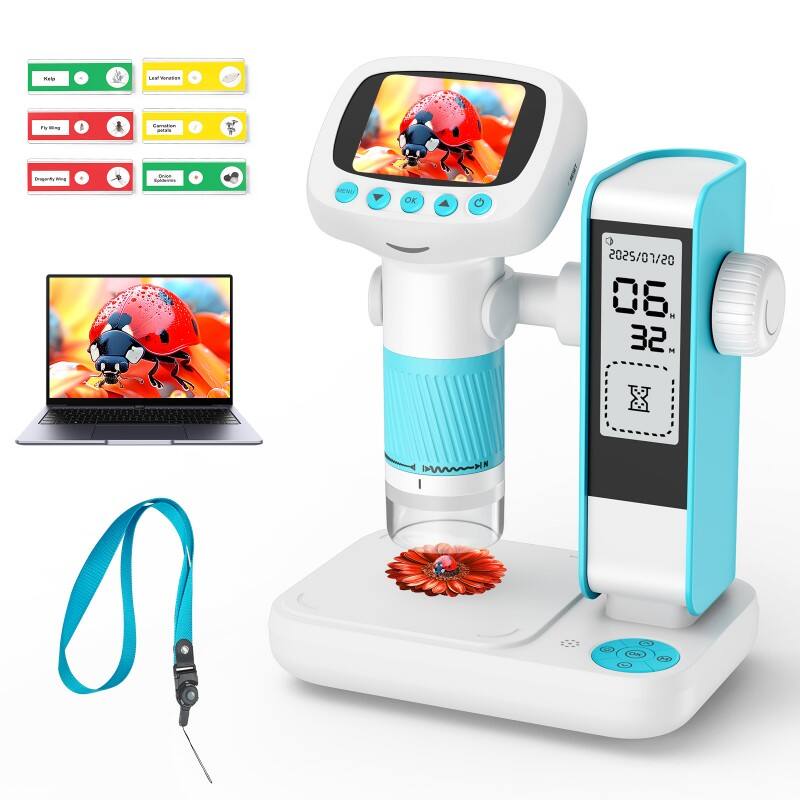
Selecting the perfect kids digital microscope requires careful consideration of your child's age, interests, and learning objectives. Unlike traditional microscopes, a modern kids digital microscope combines advanced imaging technology with child-friendly design elements to create an educational tool that captures young scientists' attention while delivering genuine learning experiences. The right choice can transform casual curiosity into a lifelong passion for scientific exploration and discovery.
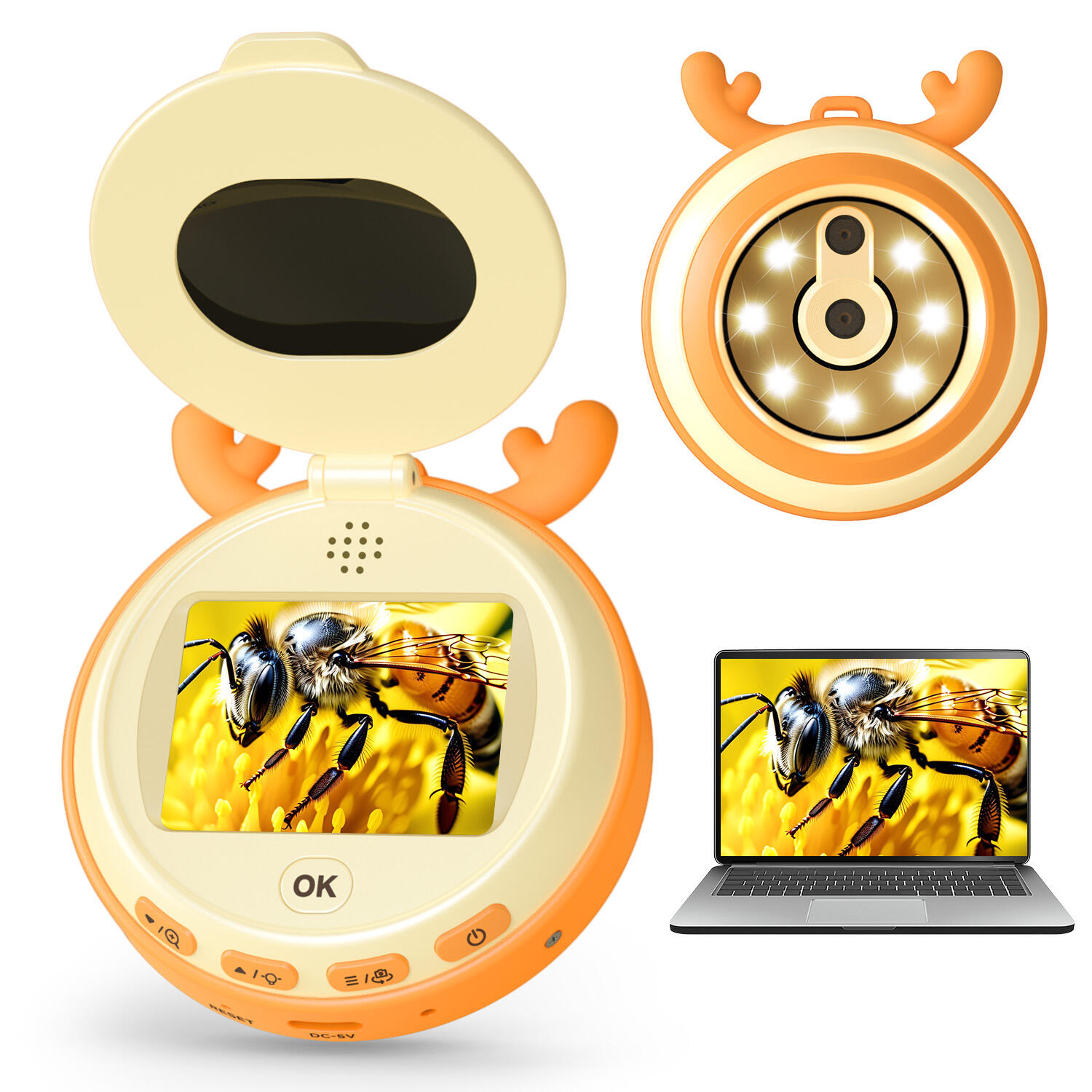
The process of choosing an ideal kids digital microscope involves evaluating multiple technical specifications, safety features, and educational capabilities that align with your child's developmental stage. This comprehensive guide examines the essential factors that determine whether a particular microscope will engage your young learner effectively while providing years of reliable performance. Understanding these selection criteria ensures your investment supports meaningful scientific learning rather than becoming an unused toy gathering dust on a shelf.
Understanding Age-Appropriate Features and Specifications
Screen Size and Display Quality Considerations
The screen size of a kids digital microscope significantly impacts the viewing experience and determines how comfortable children feel during extended observation sessions. Larger screens, typically ranging from 2 to 4 inches, provide better visibility and reduce eye strain during microscopic exploration. High-definition displays with clear color reproduction help children distinguish fine details in specimens, making the learning experience more engaging and scientifically accurate.
Display quality becomes particularly important when children examine complex specimens like plant cells, insect parts, or crystalline structures. A quality kids digital microscope should offer sufficient brightness adjustment and contrast control to accommodate different lighting conditions and specimen types. The screen resolution directly affects how clearly children can observe microscopic details, with higher resolutions enabling better documentation of their scientific discoveries through screenshots or video recording.
Magnification Range and Optical Performance
Selecting appropriate magnification levels requires understanding your child's current interests and potential growth in scientific curiosity. Most effective kids digital microscope models offer multiple magnification settings, typically ranging from 10x to 1000x, allowing children to explore everything from coin surfaces to prepared biological slides. Lower magnification levels work well for examining everyday objects, while higher magnifications reveal cellular structures and microscopic organisms.
Optical performance varies significantly between different kids digital microscope options, with some models featuring superior lens systems that maintain image clarity across the entire magnification range. Quality optics ensure that specimens appear sharp and detailed rather than blurry or distorted, which can frustrate young users and diminish their interest in microscopic exploration. Consider models that maintain consistent image quality at various magnification levels to support progressive learning as children develop more sophisticated observation skills.
Durability and Child-Safe Construction
Children's natural curiosity often leads to enthusiastic handling that can damage delicate equipment, making durability a critical factor in kids digital microscope selection. Robust construction with reinforced components and impact-resistant materials ensures the microscope survives typical childhood accidents like drops, bumps, and enthusiastic adjustments. Safety features such as rounded edges, non-toxic materials, and secure battery compartments protect children during independent exploration sessions.
The base stability of a kids digital microscope affects both safety and image quality during observations. A well-designed base prevents tipping while children adjust settings or position specimens, reducing the risk of accidents and maintaining steady images during examination. Consider models with non-slip feet and sufficient weight distribution to remain stable during active use by excited young scientists.
Educational Value and Learning Support Features
Built-in Learning Resources and Specimen Guides
Many quality kids digital microscope models include educational materials that guide children through their first microscopic explorations and provide structured learning opportunities. Pre-installed specimen guides help children identify what they observe and understand the significance of different microscopic structures. These educational resources transform random observations into meaningful learning experiences that build scientific knowledge progressively.
Interactive features such as measurement tools, annotation capabilities, and comparison functions enhance the educational value of a kids digital microscope significantly. Some models include built-in activities or challenges that encourage systematic observation and documentation of specimens. These features help children develop scientific thinking skills while maintaining engagement through gamification elements that make learning feel like play.
Documentation and Sharing Capabilities
The ability to capture and share microscopic discoveries extends the educational impact of a kids digital microscope beyond individual observation sessions. Photo and video recording capabilities allow children to document their findings, create scientific journals, and share exciting discoveries with family members or classmates. High-quality image capture helps preserve detailed observations for later study and comparison.
Storage and connectivity options determine how easily children can access and share their microscopic photography collections. Models with removable memory cards or USB connectivity enable simple transfer of images to computers for further study or presentation creation. Some advanced kids digital microscope options offer wireless connectivity, allowing real-time sharing of observations with remote family members or integration with educational platforms.
Progressive Skill Development Support
An effective kids digital microscope should accommodate growing scientific skills and expanding curiosity over time rather than quickly becoming too simple or limiting. Models with adjustable complexity settings allow children to start with basic observations and gradually access more advanced features as their understanding develops. This progressive approach ensures long-term educational value and prevents early obsolescence.
Advanced features such as measurement tools, time-lapse capabilities, and specimen preparation guidance help children develop sophisticated scientific observation skills. A kids digital microscope that grows with the child's abilities provides better long-term value and maintains engagement as scientific interests mature and deepen over time.
Technical Specifications and Performance Factors
Power Requirements and Battery Performance
Battery life directly impacts how long children can engage in uninterrupted microscopic exploration sessions, making power efficiency a crucial consideration in kids digital microscope selection. Models with extended battery life enable longer observation periods without frustrating interruptions for charging or battery replacement. Rechargeable battery systems often provide better long-term value and environmental sustainability compared to disposable battery options.
Power management features such as auto-shutdown and sleep modes help conserve battery life during periods of inactivity while ensuring the kids digital microscope remains ready for immediate use. Some models include power indicators that warn of low battery levels, preventing unexpected shutdowns during important observations. Consider backup power options or rapid charging capabilities to minimize downtime during extended exploration sessions.
Image Quality and Processing Capabilities
The image sensor quality in a kids digital microscope determines how accurately colors appear and how much detail becomes visible in captured images and live viewing. Higher-quality sensors produce more vibrant and accurate representations of specimens, helping children develop better observational skills and scientific understanding. Image processing capabilities affect how smoothly the microscope handles different lighting conditions and specimen types.
Frame rates and image refresh speeds impact the viewing experience, particularly when children examine moving specimens like microorganisms in water samples. Smooth, real-time display helps maintain engagement and allows accurate observation of dynamic microscopic processes. Some kids digital microscope models include image enhancement features that automatically adjust brightness, contrast, and focus to optimize viewing quality across different specimen types.
Connectivity and Compatibility Options
Modern kids digital microscope models often include various connectivity options that expand their educational utility and integration with other learning technologies. USB connectivity enables direct connection to computers for image transfer, software updates, and integration with educational programs. Wireless connectivity options facilitate sharing discoveries with remote family members or classmates through video calls or educational platforms.
Compatibility with educational software and applications extends the learning potential of a kids digital microscope beyond basic observation activities. Some models work seamlessly with science education programs, virtual labs, or online microscopy communities where children can share discoveries and learn from other young scientists. Consider models that support common file formats and integrate well with existing educational technology in your home or school environment.
Practical Considerations for Long-term Use
Maintenance Requirements and Ease of Cleaning
Regular maintenance keeps a kids digital microscope functioning optimally and extends its useful life significantly. Simple cleaning procedures that children can perform independently help maintain image quality and prevent damage from dust or specimen residue accumulation. Models with removable components and accessible surfaces simplify routine maintenance and reduce the need for professional servicing.
Lens protection features such as automatic covers or retractable lens systems prevent damage during storage and transportation. Easy-to-clean surfaces and resistant materials help maintain the microscope's appearance and functionality despite regular handling by children. Consider models with clear maintenance instructions and readily available cleaning supplies to ensure consistent performance throughout the product's lifetime.
Storage and Portability Features
Portability enhances the versatility of a kids digital microscope by enabling field observations, classroom use, and easy storage between sessions. Compact designs with protective carrying cases allow children to explore microscopic worlds in various locations while protecting the equipment during transport. Lightweight construction reduces fatigue during extended exploration sessions and makes the microscope more accessible to younger children.
Storage solutions should protect sensitive components while maintaining easy access for regular use. Models with integrated storage for specimens, tools, and accessories help keep everything organized and readily available for microscopic adventures. Consider space requirements in your home and whether the kids digital microscope will need to be moved frequently between different locations or users.
Upgrade Paths and Accessory Compatibility
A kids digital microscope that accepts additional accessories and upgrades provides better long-term value as children's interests and skills develop. Compatible accessories such as prepared slide sets, specimen collection tools, and enhanced lighting systems extend the educational possibilities and maintain engagement over time. Models with standard accessory mounting systems offer more flexibility for future expansion.
Software updates and firmware improvements can enhance functionality and add new features to existing kids digital microscope models. Manufacturers that provide ongoing support through updates and new educational content help ensure the microscope remains current and engaging as technology advances. Consider the manufacturer's track record for product support and the availability of replacement parts or accessories.
FAQ
What age range is most suitable for kids digital microscopes?
Most kids digital microscopes work best for children aged 6 to 14 years, though specific models may target narrower age ranges based on complexity and features. Younger children benefit from simpler interfaces and larger controls, while older children can handle more advanced features like measurement tools and detailed specimen preparation. Consider your child's current interest level in science and their comfort with technology when selecting an age-appropriate model.
How much should I expect to spend on a quality kids digital microscope?
Quality kids digital microscope options typically range from $50 to $300, with mid-range models around $100 to $150 offering the best balance of features and durability. Higher-priced models often include advanced features like wireless connectivity, superior optics, and extensive accessory packages. Consider your budget alongside your child's commitment level to scientific exploration to determine the appropriate investment level.
Can kids digital microscopes be used for serious scientific learning?
Modern kids digital microscopes can absolutely support genuine scientific learning and exploration when properly selected for the child's age and interests. Quality models provide sufficient magnification and image clarity for examining cell structures, microorganisms, and material properties that form the foundation of scientific understanding. The key is choosing a model with appropriate educational features and encouraging systematic observation and documentation practices.
What maintenance is required to keep a kids digital microscope working properly?
Regular maintenance for a kids digital microscope typically includes cleaning the lens and screen surfaces, checking battery levels, and storing the device in a clean, dry environment. Monthly cleaning with appropriate lens cleaning materials maintains image quality, while proper storage prevents dust accumulation and mechanical damage. Most models require minimal maintenance beyond basic cleaning and careful handling to provide years of reliable service.