Camera Microscope Pricing Guide: Comprehensive Analysis of Features and Value

Get a Free Quote

Our representative will contact you soon.
Email
Name
Company Name
Message
0/1000

camera microscope price

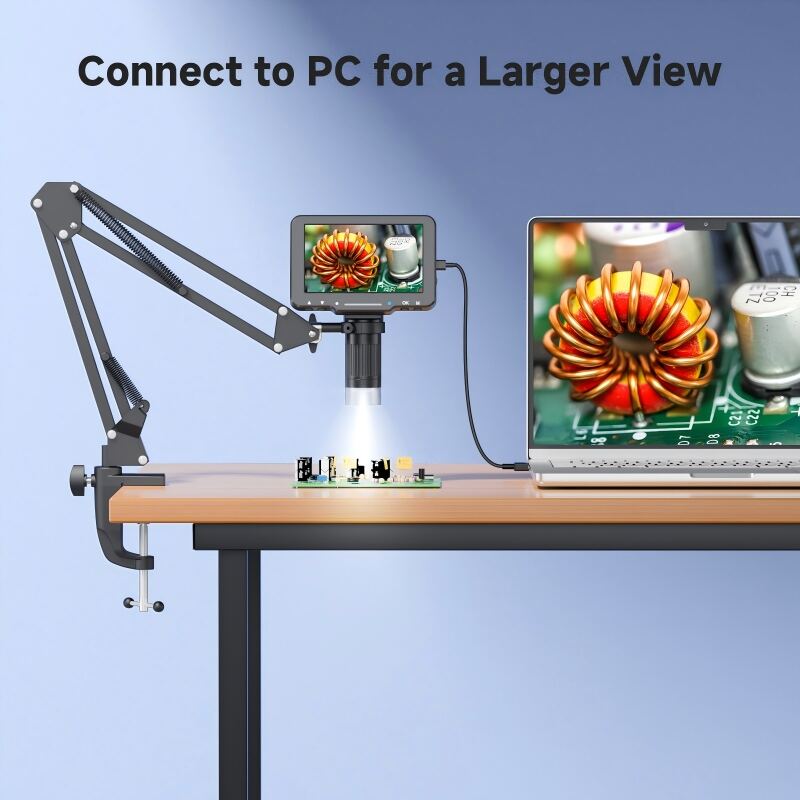
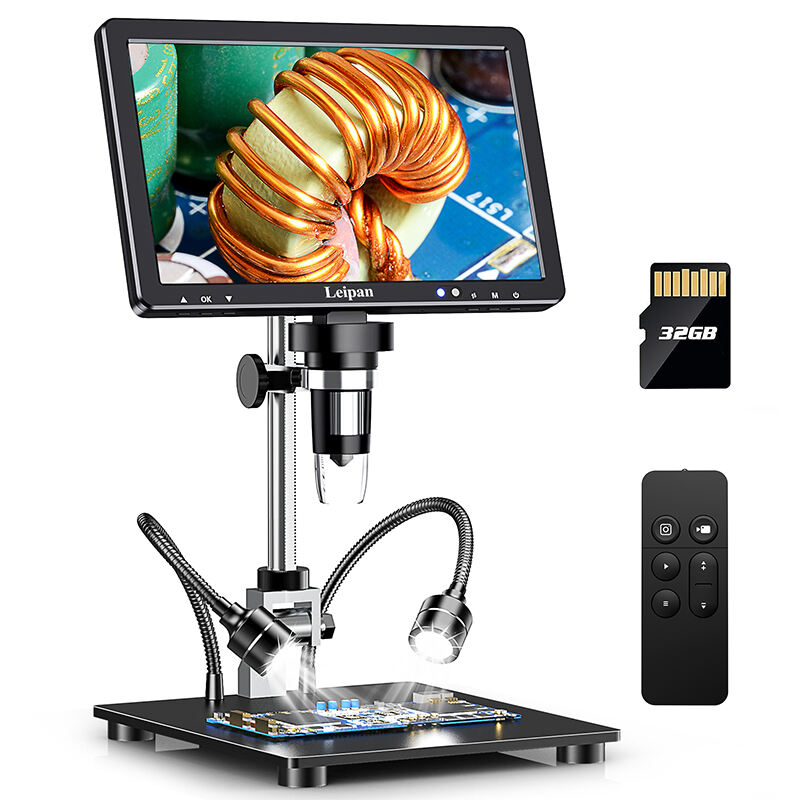
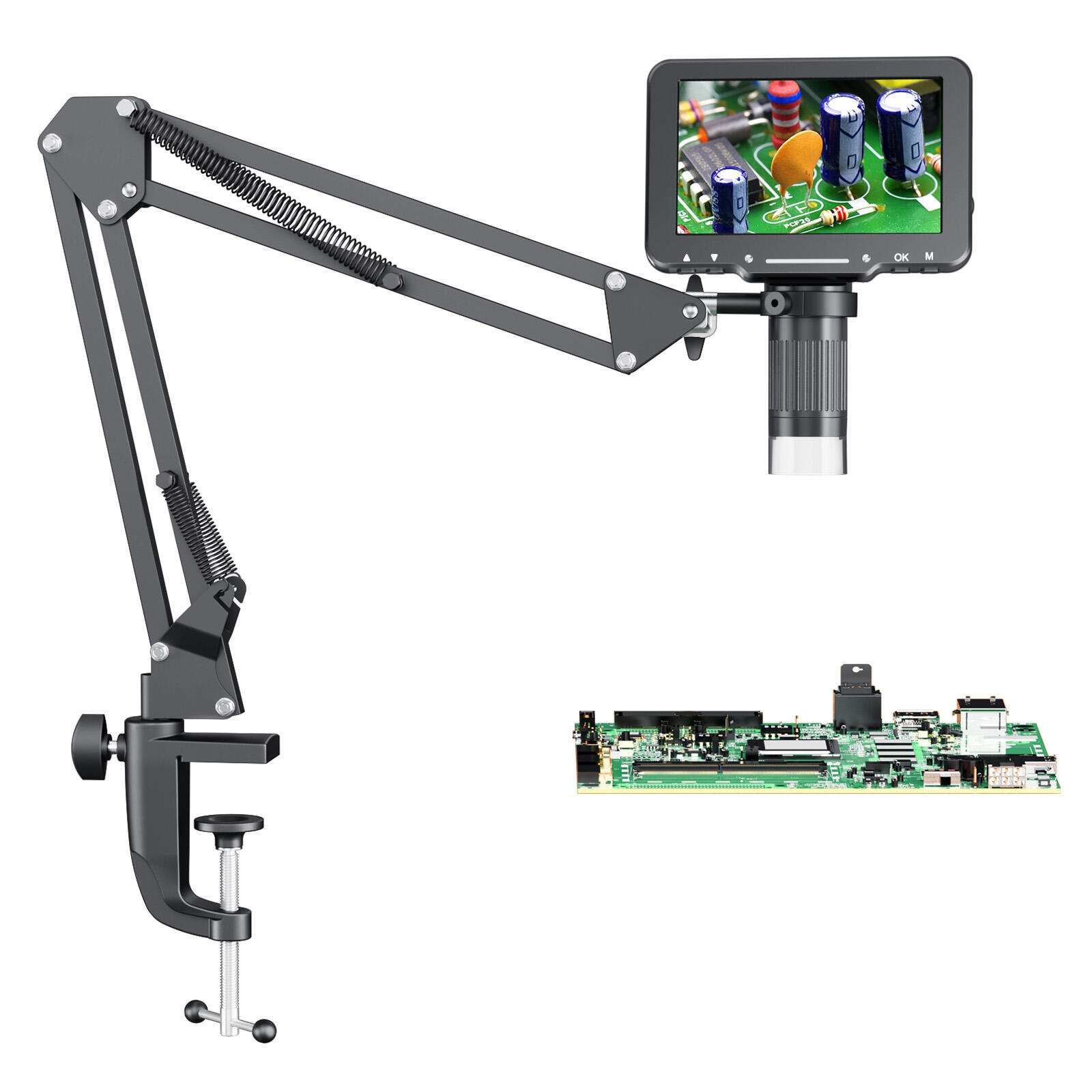
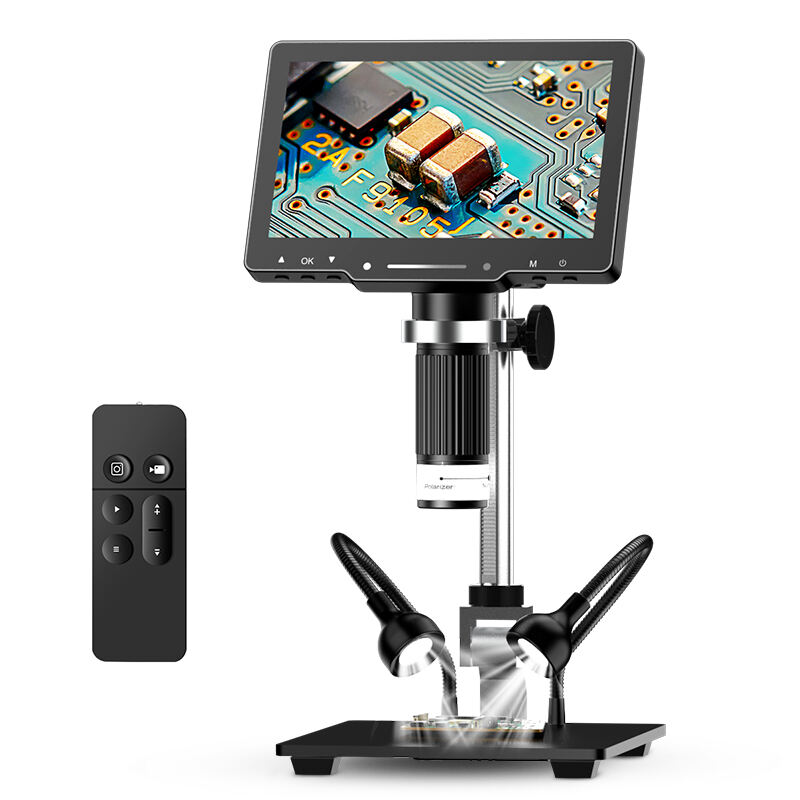
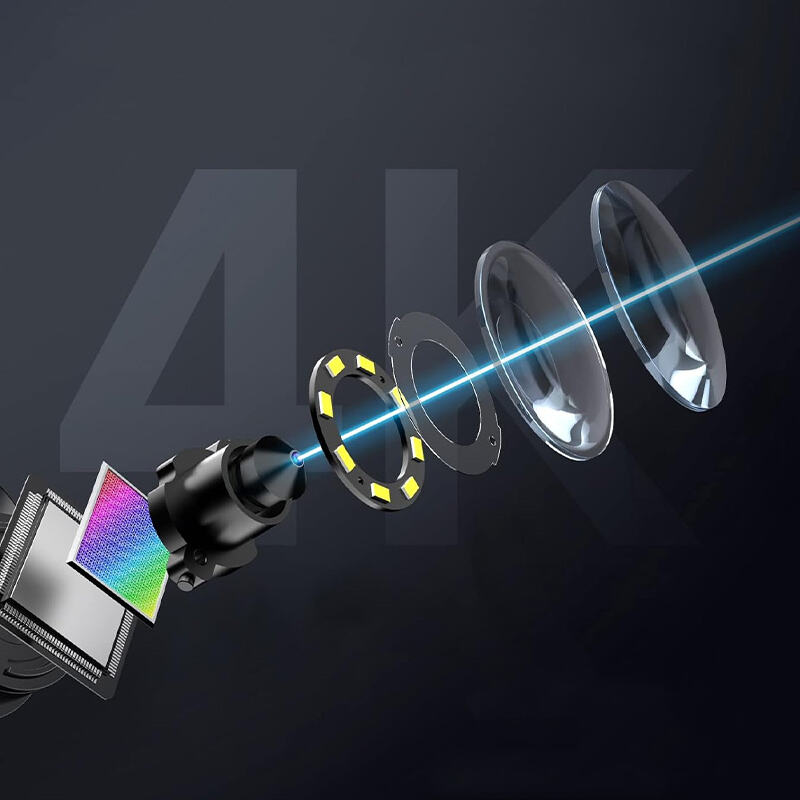
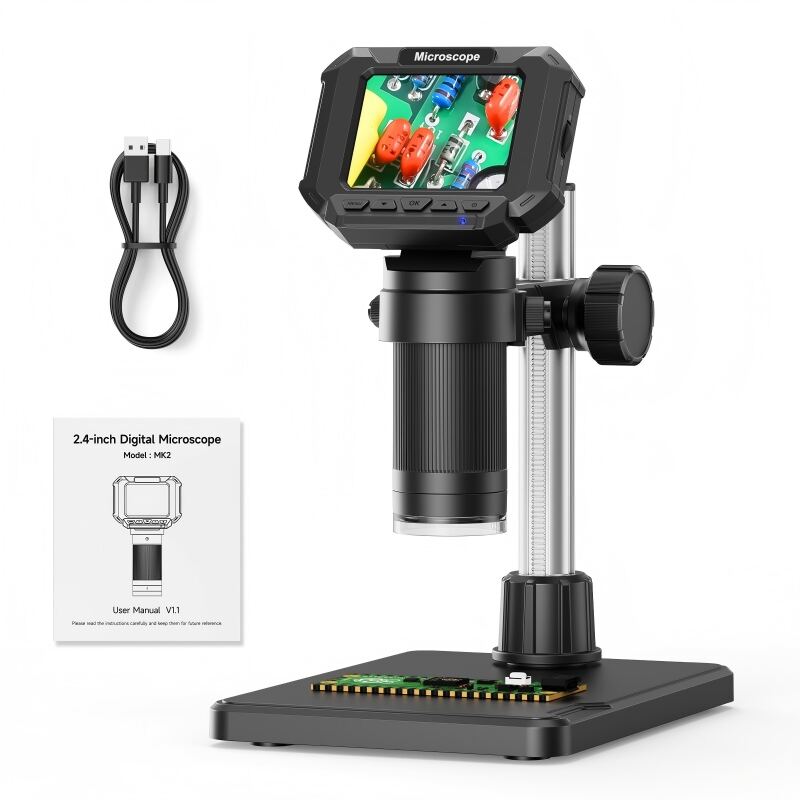
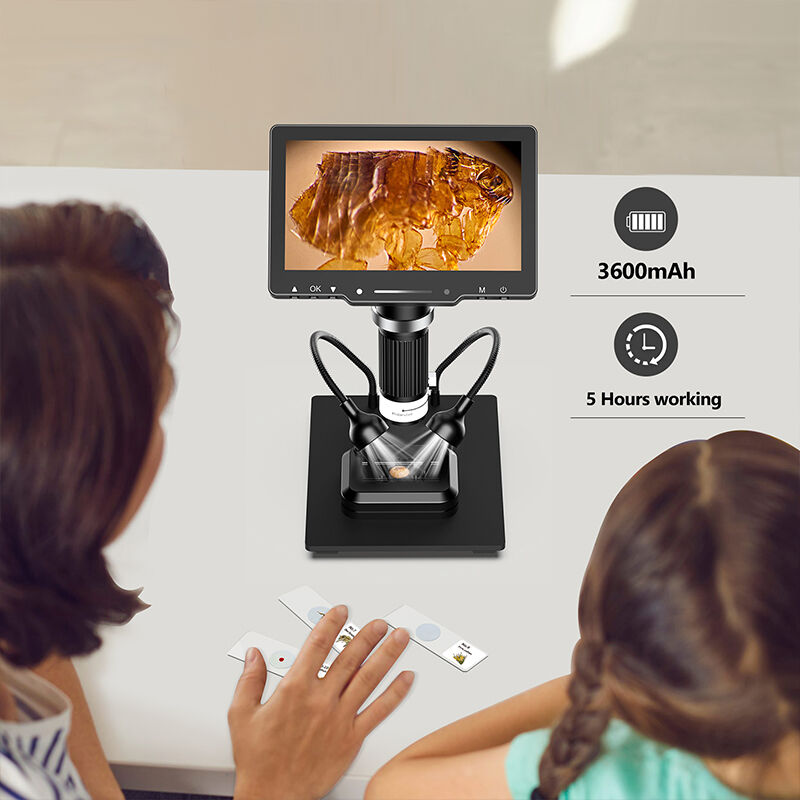
Camera microscope prices vary significantly based on their capabilities, quality, and intended applications. Entry-level digital microscopes with basic camera functionality typically range from $100 to $500, offering essential features for hobbyists and educational purposes. These devices usually provide magnification ranges from 40x to 1000x and include built-in LED illumination systems. Mid-range camera microscopes, priced between $500 and $2,000, offer enhanced image quality, superior optics, and more advanced features such as Wi-Fi connectivity and specialized software for image analysis. Professional-grade camera microscopes, which can cost anywhere from $2,000 to $10,000 or more, incorporate sophisticated imaging technologies, high-resolution sensors, and advanced measurement capabilities. These premium devices often feature automated stage control, fluorescence imaging capabilities, and professional-grade optical systems. The price spectrum reflects various factors including sensor resolution, optical quality, software capabilities, and build quality. Additional considerations affecting price include warranty coverage, after-sales support, and the inclusion of specialized accessories such as filters, objective lenses, and calibration tools. Understanding these price points helps customers make informed decisions based on their specific needs and budget constraints.
New Product Recommendations

Camera microscopes offer compelling advantages across various price points, making them valuable investments for different user groups. The cost-effectiveness becomes apparent when considering the extensive functionality these devices provide. Entry-level models deliver excellent value for basic research and educational purposes, while mid-range options offer a perfect balance of features and affordability for small laboratories and research facilities. Higher-end models, despite their premium pricing, provide substantial returns through advanced capabilities and durability. The integration of digital imaging technology eliminates the need for separate cameras and adapters, reducing overall equipment costs. Many models include software packages that would otherwise require additional purchases, offering comprehensive solutions for image capture, analysis, and documentation. The scalability of camera microscopes allows users to start with basic models and upgrade as needs evolve, protecting their initial investment. Operating costs remain relatively low compared to traditional microscopy setups, as digital systems require minimal maintenance and consumables. The ability to share and store digital images eliminates the need for physical storage solutions and facilitates collaboration, potentially reducing long-term operational expenses. Additionally, the automation features in higher-priced models can increase efficiency and productivity, justifying the initial investment through time savings and improved accuracy in research and analysis work.

Practical Tips

New 4K Digital Microscope Series Launched

30

Sep

New 4K Digital Microscope Series Launched

View More
Reliable Industrial Endoscope for Challenging Environments

30

Sep

Reliable Industrial Endoscope for Challenging Environments

View More
Interctive Smart Magnifier for Children’s Education

30

Sep

Interctive Smart Magnifier for Children’s Education

View More
Portable USB Microscope for Field Applications

30

Sep

Portable USB Microscope for Field Applications

View More

Get a Free Quote

Our representative will contact you soon.
Email
Name
Company Name
Message
0/1000

camera microscope price

Cost-Effective Digital Integration

Cost-Effective Digital Integration

Modern camera microscopes represent a significant advancement in microscopy technology, offering integrated digital imaging solutions that provide exceptional value across different price points. The integration of high-quality cameras directly into microscope systems eliminates the need for separate imaging equipment, reducing both initial setup costs and ongoing maintenance expenses. Entry-level systems, while budget-friendly, still provide essential digital features such as live viewing, image capture, and basic measurement tools. Mid-range models offer enhanced sensor resolution and advanced software capabilities, making them particularly cost-effective for educational institutions and small research facilities. Premium models, though requiring a larger initial investment, deliver superior value through comprehensive feature sets, including advanced imaging capabilities, automated functions, and professional-grade analysis tools. This integration of digital technology across price points ensures that users can find solutions that match both their technical requirements and budget constraints.
Scalable Investment Options

Scalable Investment Options

The camera microscope market offers remarkable flexibility in terms of investment scaling, allowing users to start with basic models and upgrade as their needs evolve. This scalability is particularly evident in the pricing structure, where entry-level digital microscopes provide essential features at accessible price points, while more advanced models offer enhanced capabilities for growing requirements. The modular nature of many camera microscope systems enables gradual upgrades through additional components and accessories, protecting the initial investment while allowing for future expansion. This approach is especially beneficial for educational institutions and developing laboratories, where budget constraints might necessitate a phased approach to equipment acquisition. The availability of different price tiers ensures that users can make informed decisions based on their current needs while maintaining the option to upgrade as requirements change and budgets allow.
Long-term Value Proposition

Long-term Value Proposition

The long-term value proposition of camera microscopes extends well beyond their initial purchase price, encompassing numerous factors that contribute to their overall cost-effectiveness. High-quality digital microscopes, regardless of their price point, typically offer excellent durability and reliability, reducing the need for frequent replacements or repairs. The digital nature of these systems eliminates many traditional microscopy consumables, such as photographic films and chemical processing materials, resulting in lower operating costs over time. Advanced models, while commanding higher prices, often include comprehensive warranty coverage and professional support services, ensuring protection of the investment. The ability to perform digital documentation and analysis reduces labor costs and increases productivity, providing tangible returns on investment. Additionally, the integration of modern software solutions and regular firmware updates helps maintain the system's relevance and functionality, extending its useful life and maximizing the value of the initial investment.
Camera Microscope Pricing Guide: Comprehensive Analysis of Features and Value

Get a Free Quote

Our representative will contact you soon.
Email
Name
Company Name
Message
0/1000