 EN
EN

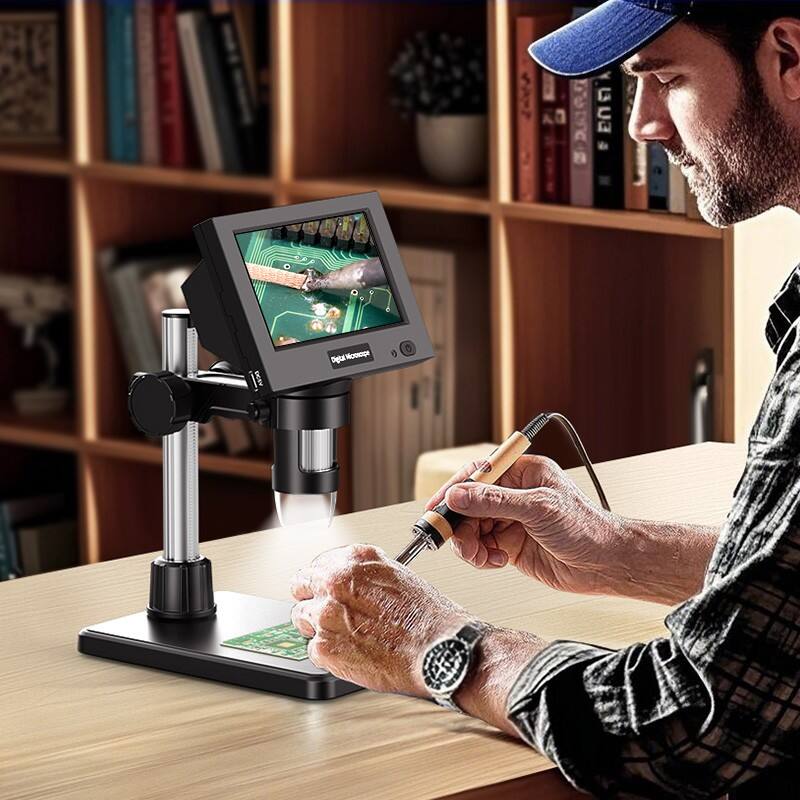
Modern electronics repair and precision assembly work demands exceptional visual accuracy that the naked eye simply cannot provide. Professional technicians and hobbyists alike have discovered that incorporating a microscope for soldering into their workflow dramatically improves work quality, reduces eye strain, and enables successful completion of increasingly complex circuit board repairs. Whether you're working on smartphone motherboards, laptop components, or intricate electronic assemblies, having the right magnification tools transforms challenging micro-soldering tasks into manageable precision work.
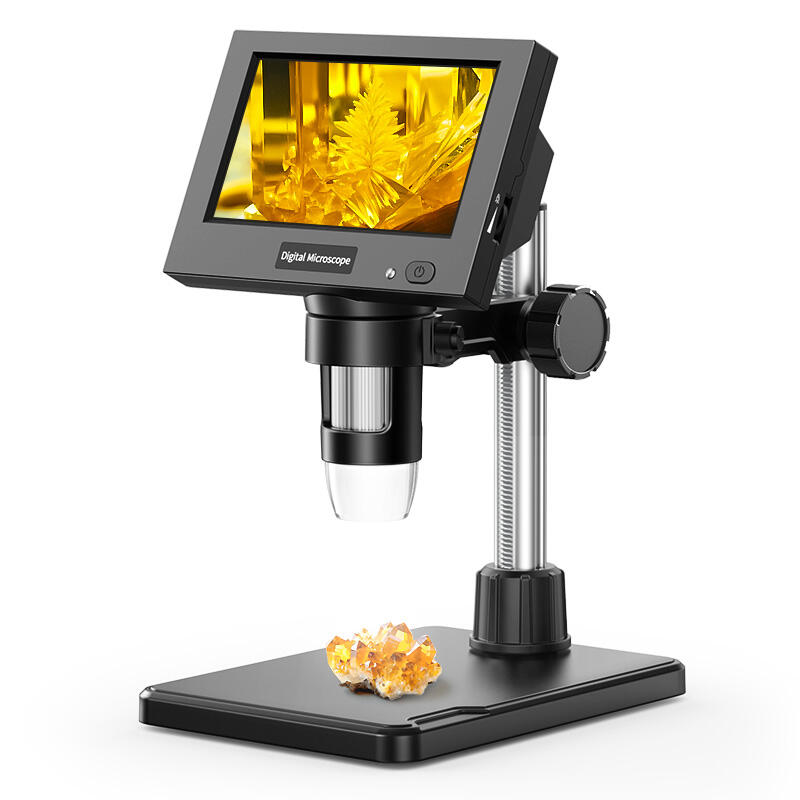
The evolution of electronic devices toward smaller components and tighter layouts has made microscopic inspection and manipulation essential skills for anyone serious about electronics repair or assembly. Surface-mount components, ball grid arrays, and ultra-fine pitch connectors require magnification levels that traditional magnifying glasses cannot adequately provide. A dedicated microscope for soldering offers the optical clarity, working distance, and illumination necessary to perform these delicate operations with confidence and precision.
Essential Features of Professional Soldering Microscopes
Magnification Range and Optical Quality
The most critical specification for any microscope for soldering is its magnification capability and optical clarity. Professional-grade units typically offer magnification ranges from 7x to 45x, with some advanced models extending up to 90x for extremely detailed work. The key is finding the sweet spot between sufficient detail visibility and adequate working distance for comfortable tool manipulation. Lower magnifications around 7x to 15x work excellently for general circuit board inspection and component placement, while higher magnifications become necessary for examining solder joint quality and identifying microscopic defects.
Optical quality directly impacts work efficiency and eye comfort during extended soldering sessions. High-quality microscopes incorporate premium glass elements, anti-reflective coatings, and precision-ground lenses that deliver sharp, distortion-free images across the entire field of view. Chromatic aberration correction ensures that fine details remain clearly defined without color fringing, which is particularly important when working with small components that have critical alignment requirements.
Illumination Systems and Light Quality
Proper illumination makes the difference between struggling to see component details and having crystal-clear visibility of your work area. Modern soldering microscopes typically feature LED ring lights or dual-arm LED systems that provide even, shadow-free illumination across the work surface. The color temperature of the lighting should closely match daylight conditions, typically around 5000K to 6500K, to ensure accurate color reproduction when identifying components and assessing solder joint quality.
Adjustable brightness controls allow technicians to optimize lighting conditions for different materials and component types. Reflective surfaces like bare PCBs require different illumination levels compared to matte-finish components or dark substrates. Some advanced microscope for soldering systems include oblique lighting options that enhance surface texture visibility and help identify subtle defects that might be invisible under direct illumination.
Optimal Setup and Positioning Techniques
Working Distance and Ergonomic Considerations
The working distance between the microscope objective and the work surface directly affects both magnification capability and tool accessibility. Most professional soldering applications require working distances between 90mm and 150mm to provide adequate clearance for soldering irons, tweezers, and other precision tools. This distance allows comfortable hand positioning while maintaining the high magnification necessary for detailed work on modern electronic components.
Ergonomic positioning prevents fatigue and ensures steady hand control during extended soldering sessions. The microscope should be positioned so that the operator's arms rest naturally at their sides with elbows bent at approximately 90 degrees. The viewing angle should align with natural head positioning to avoid neck strain, and the work surface height should allow comfortable wrist positioning for tool manipulation. Many professionals find that adjustable-height workbenches or microscope stands with tilt capabilities provide the flexibility needed to maintain proper ergonomics across different project types.
Camera Integration and Documentation
Digital camera integration transforms a basic microscope for soldering into a comprehensive documentation and training system. Built-in cameras or camera adapters enable real-time image capture, video recording, and live display on external monitors or laptops. This capability proves invaluable for quality control documentation, training materials creation, and collaborative troubleshooting with remote team members or clients.
High-resolution imaging capabilities allow technicians to document before-and-after conditions, create detailed repair records, and maintain visual databases of common failure modes. The ability to capture still images and video during the repair process provides excellent reference material for future similar repairs and helps build institutional knowledge within repair organizations. Some advanced systems include measurement software that enables precise dimensional analysis directly from captured images.
Advanced Soldering Techniques Under Magnification
Component Placement and Alignment
Working under magnification requires developing specific techniques for accurate component placement and alignment. The enhanced visual detail provided by a quality microscope for soldering reveals alignment tolerances that are invisible to the naked eye, enabling precise placement that ensures reliable electrical connections and mechanical stability. Professional technicians develop systematic approaches to component handling that take advantage of the improved visibility while maintaining efficiency.
Vacuum pickup tools and precision tweezers become essential accessories when working under magnification, as the enhanced visual feedback allows for extremely precise component manipulation. The ability to clearly see pad alignment, component orientation markers, and pin-to-pad relationships enables first-attempt placement accuracy that significantly reduces rework requirements. Proper technique involves using the microscope's depth of field effectively to gauge component height and ensure proper seating before applying solder.
Solder Joint Quality Assessment
Microscopic inspection revolutionizes solder joint quality assessment by revealing details that determine long-term reliability and electrical performance. Under proper magnification, technicians can identify optimal solder wetting characteristics, detect cold solder joints, and spot contamination issues that might cause future failures. The ability to see solder flow patterns, fillet formation, and intermetallic compound development provides immediate feedback on soldering technique and parameter optimization.
Professional quality standards become achievable when technicians can clearly observe the characteristics that define reliable solder joints. Proper magnification reveals the smooth, concave fillets that indicate good wetting and appropriate thermal profiles, while also highlighting irregular shapes, voids, or crystalline structures that suggest process problems. This visual feedback enables continuous improvement in soldering technique and helps establish consistent quality standards across different operators and project types.
Maintenance and Care Best Practices
Optical System Cleaning and Protection
Maintaining optical clarity is essential for maximizing the performance and longevity of any microscope for soldering system. Dust, flux residue, and other contaminants can quickly degrade image quality and reduce the effectiveness of the magnification system. Regular cleaning protocols should include gentle lens tissue application with appropriate cleaning solutions, careful removal of accumulated debris from lens surfaces, and protective covering when the microscope is not in active use.
The soldering environment presents unique challenges for optical equipment maintenance due to the presence of flux vapors, solder particles, and other airborne contaminants. Installing protective barriers or using laboratory-grade air filtration systems helps minimize contamination exposure, while regular inspection schedules ensure that any degradation is identified and addressed before it impacts work quality. Professional-grade microscopes often include protective glass elements that can be easily replaced when they become damaged or excessively contaminated.
Mechanical System Care and Calibration
The mechanical components of soldering microscopes require regular attention to maintain smooth operation and precise positioning capabilities. Focus mechanisms, zoom controls, and positioning systems should be exercised regularly to prevent binding or sticking that could interfere with smooth operation during critical repair procedures. Lubrication schedules and adjustment procedures vary by manufacturer, but generally involve periodic cleaning and calibration of moving parts.
Environmental factors in electronics repair facilities can accelerate wear on mechanical components, particularly in the presence of flux residues and temperature variations. Regular inspection of mounting systems, articulating arms, and adjustment mechanisms helps identify potential problems before they affect positioning accuracy or stability. Professional repair organizations often establish preventive maintenance schedules that include microscope calibration alongside other precision equipment to ensure consistent performance standards.
FAQ
What magnification level is best for general electronics soldering work
For most electronics soldering applications, magnification levels between 10x and 25x provide the optimal balance between detail visibility and working distance. This range allows clear visualization of surface-mount components, solder joint details, and PCB traces while maintaining sufficient clearance for comfortable tool manipulation. Higher magnifications may be necessary for specialized applications like BGA rework or extremely fine-pitch components, but most technicians find that 15x to 20x magnification handles the majority of their daily soldering tasks effectively.
How do I prevent eye strain when using a soldering microscope for extended periods
Preventing eye strain during extended microscope for soldering sessions requires proper ergonomic setup, appropriate lighting conditions, and regular breaks. Position the microscope at eye level to avoid neck strain, ensure even illumination without harsh shadows or glare, and take frequent breaks to focus on distant objects and rest your eyes. Using both eyes when possible, rather than closing one eye, helps reduce fatigue and provides better depth perception for precise work.
Can I add a camera to my existing soldering microscope
Most professional soldering microscopes can accommodate camera attachments through dedicated camera ports, C-mount adapters, or eyepiece-mounted camera systems. The specific attachment method depends on your microscope model and the desired image quality requirements. Digital cameras designed for microscope applications typically offer better integration and image quality compared to general-purpose cameras, and many include software for measurement, annotation, and documentation purposes that enhance the overall capabilities of your soldering station.
What type of lighting works best for detailed soldering work under magnification
LED ring lights or dual-arm LED systems provide the most effective illumination for microscopic soldering work. These lighting arrangements deliver even, shadow-free illumination across the work area while minimizing heat generation that could affect temperature-sensitive components. Look for systems with adjustable brightness and color temperature controls, as different materials and component types may require different lighting conditions for optimal visibility. Cool white LEDs in the 5000K to 6500K range typically provide the best color rendition for electronic component identification and solder joint assessment.