 EN
EN

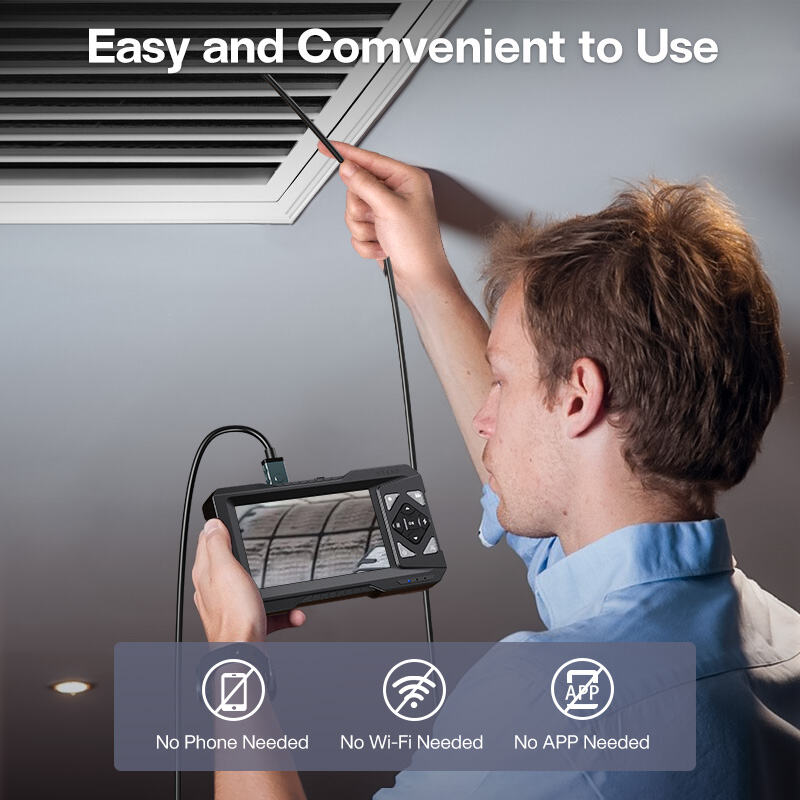
Understanding the essential features of an endoscope camera is crucial for professionals who rely on visual inspection in tight spaces, confined areas, or hard-to-reach locations. Whether you're working in automotive diagnostics, HVAC maintenance, plumbing inspection, or industrial equipment servicing, selecting the right endoscope camera with the proper features can significantly impact the quality of your inspection results and overall work efficiency. The modern endoscope camera market offers a wide range of options, each equipped with different capabilities that cater to specific inspection requirements and professional needs.
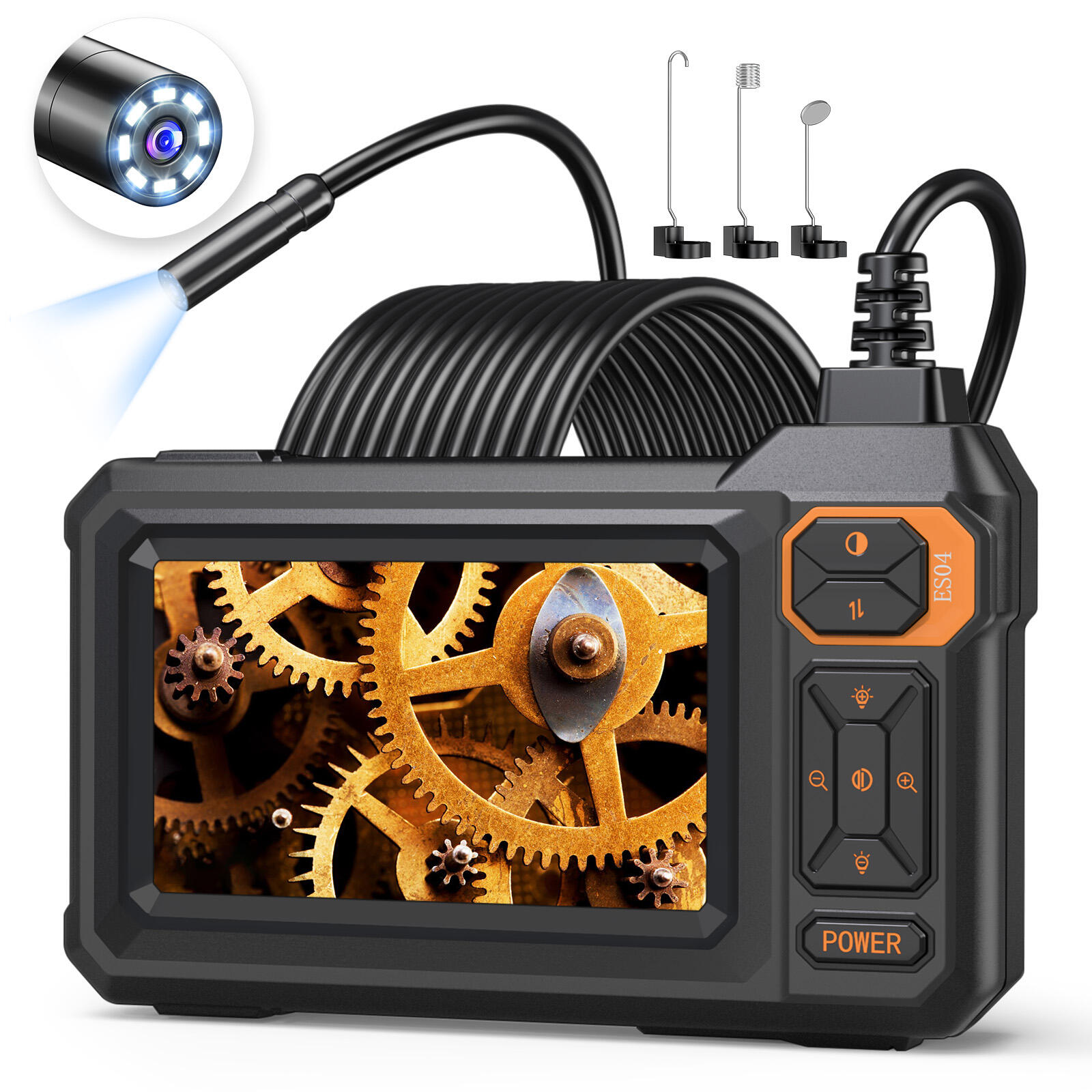
The top ten features that define a high-quality endoscope camera encompass display technology, image resolution, cable flexibility, lighting systems, waterproofing capabilities, recording functions, battery performance, ergonomic design, compatibility options, and specialized measurement tools. These features work together to create a comprehensive inspection tool that delivers reliable performance across various professional applications. By understanding how each feature contributes to the overall functionality of an endoscope camera, you can make informed decisions that align with your specific inspection requirements and budget considerations.
Display Technology and Screen Quality
High-Resolution IPS Display Systems
The display quality of an endoscope camera directly affects your ability to identify defects, assess conditions, and make accurate diagnoses during inspections. Modern endoscope camera units feature IPS (In-Plane Switching) displays that provide superior color accuracy, wider viewing angles, and enhanced brightness compared to traditional LCD screens. These displays typically range from 4.3 inches to 7 inches in size, offering clear visual representation of inspection areas even in challenging lighting conditions.
The screen resolution plays a critical role in image clarity, with many professional-grade endoscope camera models offering HD or Full HD display capabilities. Higher resolution displays enable users to detect smaller defects, read component markings more clearly, and distinguish between different materials or surface conditions. The screen brightness adjustment feature allows operators to optimize visibility based on ambient lighting conditions, ensuring consistent image quality across various work environments.
Advanced endoscope camera displays also incorporate anti-glare coatings and scratch-resistant surfaces that maintain visibility and durability during frequent use. Some models include touchscreen functionality, providing intuitive navigation through menus, settings, and recorded content. The display orientation can often be adjusted or rotated, accommodating different inspection angles and operator preferences while maintaining ergonomic comfort during extended use.
Real-Time Image Processing
Real-time image processing capabilities enhance the visual quality of endoscope camera feeds by automatically adjusting brightness, contrast, and color balance based on the inspection environment. These processing algorithms reduce image noise, improve detail visibility, and compensate for varying lighting conditions encountered during inspections. Advanced processing features include digital zoom capabilities that allow users to magnify specific areas of interest without losing image quality.
The frame rate of the display affects the smoothness of live video feeds, with higher frame rates providing more fluid motion representation during navigation through inspection areas. Professional endoscope camera systems typically offer frame rates of 30fps or higher, ensuring smooth visual feedback when maneuvering the probe through complex pathways or when tracking moving components within mechanical systems.
Image Resolution and Camera Sensor Technology
Megapixel Count and Image Clarity
The camera sensor resolution determines the level of detail captured by an endoscope camera during inspections. Modern units feature sensors ranging from 2 megapixels to 8 megapixels or higher, with increased resolution providing greater image detail and the ability to zoom into specific areas without significant quality loss. High-resolution sensors enable professionals to identify subtle defects, read small text or part numbers, and document conditions with superior clarity for reporting purposes.
The sensor technology impacts low-light performance, color accuracy, and overall image quality. CMOS sensors are commonly used in endoscope camera systems due to their excellent performance characteristics, low power consumption, and ability to produce high-quality images in challenging lighting conditions. Advanced sensor technologies incorporate noise reduction algorithms and enhanced sensitivity features that improve image quality in dark or poorly lit inspection environments.
Image stabilization technology helps reduce blur and shake artifacts that can occur during handheld operation or when navigating through tight spaces. Digital stabilization algorithms analyze camera movement and apply corrections to maintain sharp, clear images even when the endoscope camera probe is subject to vibration or operator movement.
Color Reproduction and White Balance
Accurate color reproduction is essential for identifying different materials, detecting corrosion or wear patterns, and assessing the condition of components during inspections. Professional endoscope camera systems incorporate advanced color processing algorithms that maintain color accuracy across different lighting conditions and ensure consistent representation of materials and surfaces.
Automatic white balance adjustment compensates for different light source characteristics, ensuring that colors appear natural and accurate regardless of whether the endoscope camera is used with LED lights, halogen illumination, or in environments with mixed lighting sources. Manual white balance controls allow experienced users to fine-tune color reproduction for specific inspection requirements or when working with materials that require precise color differentiation.
Cable Flexibility and Probe Design
Semi-Rigid Cable Construction
The cable design of an endoscope camera significantly impacts its versatility and usability in different inspection scenarios. Semi-rigid cables offer the optimal balance between flexibility and structural integrity, allowing users to shape and position the probe while maintaining enough rigidity to navigate through obstacles and reach specific inspection points. The cable diameter typically ranges from 5.5mm to 10mm, with smaller diameters providing access to tighter spaces while larger diameters offer improved durability and better image transmission capabilities.
Cable length varies depending on the intended application, with options ranging from 1 meter for close-proximity inspections to 10 meters or more for deep cavity inspections. The cable construction incorporates protective materials that resist kinking, crushing, and chemical exposure while maintaining signal integrity over extended use periods. High-quality endoscope camera cables feature reinforced stress relief points at connection areas to prevent damage from repeated bending and manipulation.
The flexibility characteristics of the cable affect the endoscope camera's ability to navigate complex pathways, follow curved routes, and position the camera tip precisely for optimal viewing angles. Advanced cable designs incorporate graduated flexibility, with increased stiffness near the handle for better control and enhanced flexibility near the tip for improved maneuverability in tight spaces.
Probe Tip Design and Protection
The probe tip design incorporates protective elements that shield the camera sensor and LED lights from impact damage while maintaining optimal image quality and illumination effectiveness. Sapphire glass or reinforced lens covers protect the camera element from scratches, chemical exposure, and physical damage during inspections in harsh environments.
Probe tip configurations vary to accommodate different inspection requirements, with straight tips for general-purpose inspections and angled or articulating tips for specialized applications requiring specific viewing angles. Some endoscope camera models feature interchangeable probe tips or attachments that expand the versatility of the inspection system for different applications and industries.
Lighting Systems and Illumination Technology
LED Lighting Performance
The illumination system of an endoscope camera is crucial for achieving clear, well-lit images in dark or poorly illuminated inspection areas. Modern units typically feature high-intensity LED lighting arrays positioned around the camera tip to provide uniform illumination without creating harsh shadows or hotspots. The LED configuration and beam pattern affect the quality and distribution of light, with multiple LEDs offering more even illumination compared to single-source lighting systems.
Adjustable brightness controls allow operators to optimize lighting intensity for different inspection conditions, preventing overexposure in reflective environments while providing sufficient illumination in dark spaces. Professional endoscope camera systems often include multiple brightness levels or continuously variable intensity control, enabling fine-tuning of illumination for optimal image quality across various inspection scenarios.
LED lifespan and power efficiency impact the long-term operational costs and reliability of the endoscope camera system. High-quality LEDs maintain consistent color temperature and brightness output over extended use periods, ensuring reliable performance throughout the device's service life. Advanced LED systems incorporate thermal management features that prevent overheating and maintain stable light output during extended inspection sessions.
Color Temperature and Light Quality
The color temperature of the LED lighting system affects color accuracy and the ability to distinguish between different materials and surface conditions. Professional endoscope camera units typically use LEDs with color temperatures ranging from 5500K to 6500K, providing daylight-balanced illumination that ensures accurate color reproduction and natural-looking images.
Light quality factors include color rendering index (CRI) values that indicate how accurately the LED illumination reproduces colors compared to natural daylight. Higher CRI values result in better color differentiation and more accurate representation of surface conditions, which is particularly important when assessing wear patterns, corrosion, or material composition during inspections.
Waterproofing and Environmental Protection
IP Rating Standards and Protection Levels
Environmental protection capabilities determine the range of conditions in which an endoscope camera can operate safely and reliably. IP (Ingress Protection) ratings indicate the level of protection against dust, moisture, and water exposure, with professional-grade endoscope camera systems typically featuring IP67 or IP68 ratings for the probe section. These ratings ensure that the camera can withstand immersion in water and operate in wet or contaminated environments without damage.
The waterproofing design extends beyond basic moisture protection to include resistance against oils, chemicals, and other industrial fluids commonly encountered during professional inspections. Sealed cable construction and watertight connections prevent fluid ingress that could damage internal components or degrade image quality over time.
Temperature resistance capabilities allow endoscope camera systems to operate in extreme environmental conditions, from sub-zero temperatures to elevated heat conditions encountered in industrial applications. Professional units are designed to function reliably across wide temperature ranges while maintaining image quality and component integrity.
Durability and Impact Resistance
The construction materials and design of an endoscope camera affect its ability to withstand the physical demands of professional inspection work. Reinforced probe construction resists crushing, bending damage, and impact forces that occur during navigation through tight spaces or when working in challenging industrial environments.
Impact-resistant housing protects the display unit and control electronics from drops, vibration, and physical abuse that can occur during fieldwork. Professional endoscope camera systems often incorporate protective bumpers, reinforced corners, and shock-absorbing materials that maintain functionality even after exposure to harsh treatment in industrial settings.
Recording and Documentation Features
Video and Photo Capture Capabilities
Documentation capabilities are essential features of professional endoscope camera systems, enabling users to record inspection findings for reporting, compliance documentation, and future reference. High-resolution photo capture allows for detailed documentation of specific defects, component conditions, or installation details that require precise visual records.
Video recording functionality captures dynamic inspection processes, component movement, or progressive condition changes that static photos cannot adequately document. Professional endoscope camera units offer various recording resolutions and quality settings, allowing users to balance file size considerations with documentation requirements for different applications.
Storage capacity and file management features affect the practical usability of recording functions during extended inspection sessions. Internal memory storage, removable memory card support, and USB connectivity options provide flexibility in data management and transfer capabilities for integration with reporting systems and documentation workflows.
Measurement and Analysis Tools
Built-in measurement tools enhance the analytical capabilities of endoscope camera systems by providing dimensional analysis features that quantify defect sizes, clearance measurements, and component dimensions. Digital measurement overlays allow users to measure distances, areas, and angles directly on the display screen, eliminating the need for separate measurement tools in many inspection scenarios.
Calibration features ensure measurement accuracy by accounting for the optical characteristics of the camera lens and the distance from the inspection target. Professional endoscope camera systems may include multiple measurement modes, reference scales, and calibration procedures that maintain accuracy across different inspection distances and viewing conditions.
FAQ
What is the most important feature to consider when choosing an endoscope camera?
The most important feature depends on your specific application, but image resolution and display quality typically have the greatest impact on inspection effectiveness. A high-resolution endoscope camera with a clear, bright display enables you to identify smaller defects and assess conditions more accurately. However, you should also consider cable flexibility, lighting quality, and environmental protection ratings based on your typical inspection environments and requirements.
How does waterproofing affect endoscope camera performance and longevity?
Waterproofing significantly extends the operational life of an endoscope camera and expands its application range. IP67 or IP68 rated endoscope camera systems can operate in wet environments, underwater conditions, and areas with chemical exposure without risk of damage. This protection prevents moisture-related failures, corrosion of internal components, and degradation of image quality that can occur when non-waterproof units are exposed to harsh conditions.
Can endoscope camera measurement tools replace traditional measuring instruments?
Digital measurement tools in endoscope camera systems provide convenient dimensional analysis capabilities but may not replace precision measuring instruments for critical applications. These tools are excellent for quick assessments, comparative measurements, and situations where traditional tools cannot access the inspection area. However, for applications requiring high precision or certified measurements, traditional calibrated instruments may still be necessary to meet specific accuracy requirements.
What cable length should I choose for my endoscope camera applications?
Cable length selection depends on the depth of inspection areas you typically encounter. For automotive and HVAC applications, cables ranging from 1 to 3 meters usually provide sufficient reach. Industrial inspections, large equipment maintenance, and building infrastructure assessments may require cables of 5 meters or longer. Consider that longer cables may be more difficult to manage and may experience some image quality degradation, so choose the shortest length that meets your maximum reach requirements.
Table of Contents
- Display Technology and Screen Quality
- Image Resolution and Camera Sensor Technology
- Cable Flexibility and Probe Design
- Lighting Systems and Illumination Technology
- Waterproofing and Environmental Protection
- Recording and Documentation Features
-
FAQ
- What is the most important feature to consider when choosing an endoscope camera?
- How does waterproofing affect endoscope camera performance and longevity?
- Can endoscope camera measurement tools replace traditional measuring instruments?
- What cable length should I choose for my endoscope camera applications?