 EN
EN

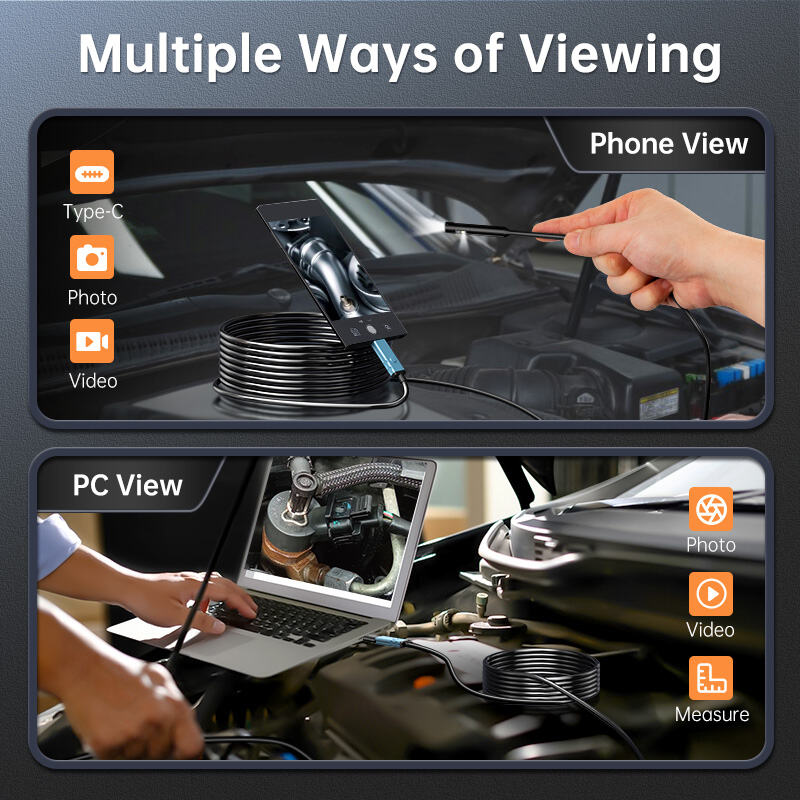
Selecting the appropriate endoscope camera for inspection tasks requires careful consideration of multiple technical factors, application requirements, and operational constraints. Industrial professionals, maintenance technicians, and quality control specialists rely on these sophisticated visual tools to access confined spaces, examine internal components, and document critical findings across diverse sectors including automotive, aerospace, manufacturing, and infrastructure maintenance.
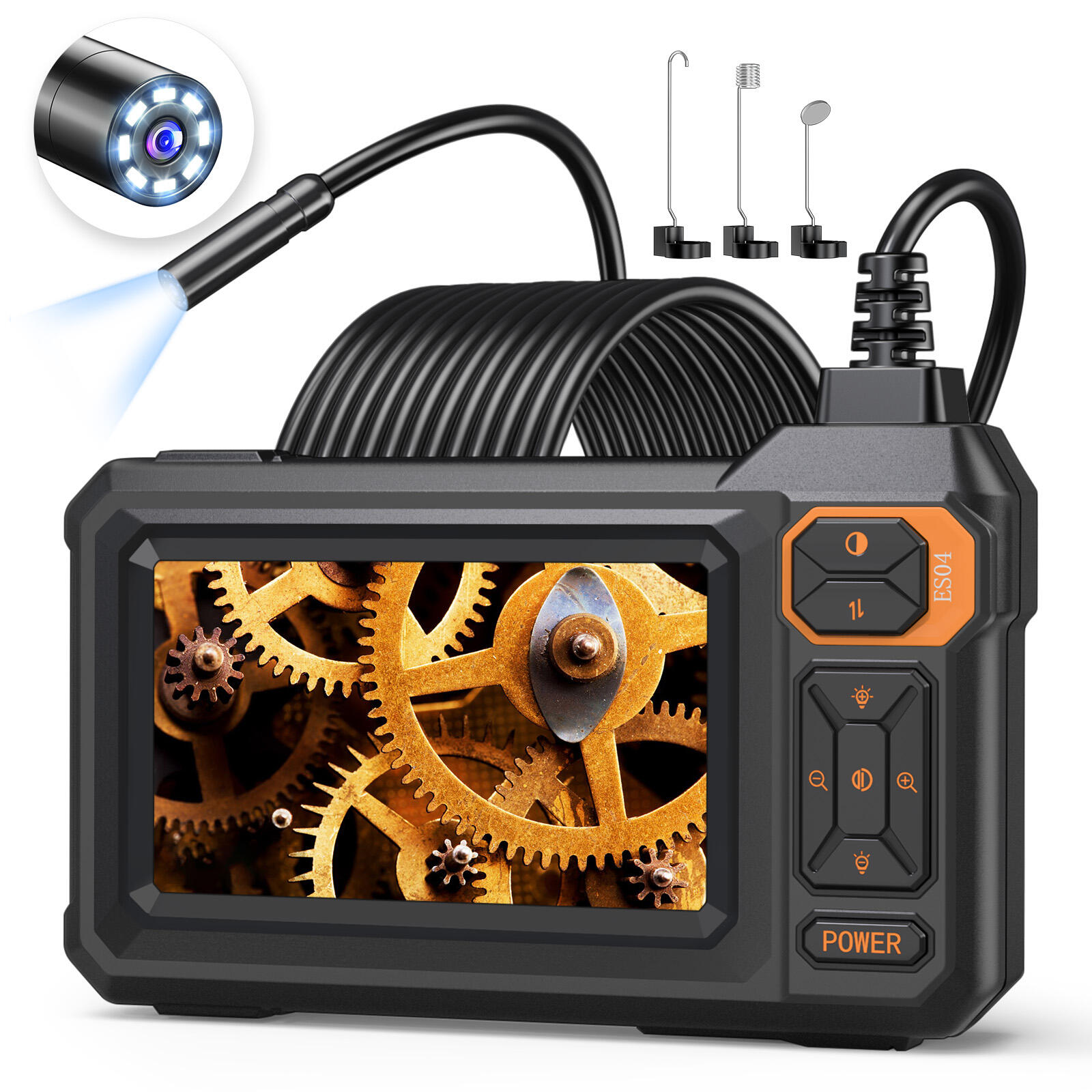
The decision-making process for choosing an endoscope camera involves evaluating specific inspection objectives, environmental conditions, image quality requirements, and budget considerations. Modern inspection cameras offer varying degrees of flexibility, resolution capabilities, and specialized features designed to address particular inspection challenges while ensuring reliable performance in demanding industrial environments.
Understanding Your Inspection Requirements
Defining Inspection Scope and Objectives
Before selecting an endoscope camera, establish clear inspection goals and identify the specific components, systems, or areas requiring visual examination. Consider whether inspections focus on detecting surface defects, measuring component wear, documenting assembly conditions, or performing routine maintenance verification. These objectives directly influence the required image quality, magnification capabilities, and documentation features needed from your endoscope camera system.
Evaluate the frequency of inspections and the number of personnel who will operate the equipment. Regular inspection schedules may justify investing in higher-quality endoscope cameras with enhanced durability and advanced features, while occasional use scenarios might prioritize cost-effectiveness and simplicity. Document the types of defects or conditions you need to identify, as this information helps determine optimal resolution specifications and lighting requirements.
Environmental and Access Constraints
Assess the physical environment where inspections will occur, including temperature ranges, humidity levels, chemical exposure potential, and contamination risks. Industrial environments often present challenging conditions that require robust endoscope cameras with appropriate protection ratings and sealed construction. Consider whether inspections involve wet environments, dusty conditions, or exposure to oils and solvents that could affect equipment performance and longevity.
Examine the access points and pathways to inspection areas, noting diameter restrictions, bend requirements, and insertion depth needs. These physical constraints directly influence the cable diameter, flexibility characteristics, and length specifications required for effective endoscope camera operation. Document minimum bend radii and maximum insertion distances to ensure selected equipment can reach all required inspection points.
Technical Specifications and Performance Criteria
Image Quality and Resolution Standards
Image quality represents a critical factor in endoscope camera selection, as clear visual documentation enables accurate defect identification and supports reliable decision-making. Modern endoscope cameras offer various resolution options ranging from standard definition to high-definition formats, with pixel counts significantly impacting detail visibility and documentation quality. Consider whether your applications require fine detail recognition or general condition assessment to determine appropriate resolution specifications.
Evaluate color accuracy and contrast capabilities, particularly for applications requiring precise defect characterization or material identification. High-quality endoscope cameras incorporate advanced sensor technology and optimized optics to deliver consistent color reproduction and enhanced contrast ratios. These features prove essential for distinguishing subtle variations in surface conditions, corrosion patterns, or component degradation that might indicate developing problems.
Lighting Systems and Illumination Quality
Proper illumination plays a fundamental role in achieving optimal inspection results with any endoscope camera system. LED lighting technology has become the standard for modern inspection cameras, offering bright, consistent illumination with extended operational life and reduced heat generation. Assess whether your applications require adjustable brightness levels or specialized lighting configurations to accommodate varying inspection conditions.
Consider the distribution pattern and intensity of illumination provided by different endoscope camera models. Uniform light distribution across the field of view ensures consistent image quality and reduces shadows that might obscure important details. Some applications benefit from side-lighting capabilities or specialized illumination angles that enhance surface defect visibility or improve depth perception during complex inspections.
Cable Design and Mechanical Characteristics
Flexibility and Maneuverability Features
The mechanical design of an endoscope camera cable directly affects its ability to navigate complex pathways and reach difficult inspection areas. Evaluate cable flexibility characteristics, including bend radius limitations and directional control capabilities. Some endoscope cameras feature articulating tips that allow precise positioning and improved maneuverability in confined spaces, while others rely on semi-rigid or flexible cable designs for different application requirements.
Consider the balance between cable flexibility and durability, as highly flexible cables may sacrifice some robustness for improved maneuverability. Industrial applications often require cables that can withstand repeated bending, twisting, and insertion cycles without degrading performance or reliability. Assess whether your inspection procedures involve complex routing through multiple bends or require precise tip positioning to determine optimal cable characteristics.
Durability and Protection Standards
Industrial environments demand endoscope cameras with robust construction and appropriate protection against environmental hazards. Evaluate IP protection ratings to ensure selected equipment can withstand expected exposure to dust, moisture, chemicals, or other contaminants. Higher protection ratings typically correlate with enhanced durability but may impact cable flexibility or add cost considerations that require careful evaluation.
Consider the materials used in cable construction and tip design, particularly for applications involving abrasive environments or chemical exposure. Some endoscope camera models incorporate specialized coatings or materials that provide enhanced resistance to specific chemicals or environmental conditions. Document your environmental exposure requirements to select appropriate protection levels without over-specifying unnecessarily expensive features.
Display and Documentation Capabilities
Screen Size and Viewing Options
Display characteristics significantly impact the usability and effectiveness of an endoscope camera during inspection procedures. Larger screens generally provide better detail visibility and reduce eye strain during extended inspection sessions, while compact displays offer improved portability and convenience for field applications. Consider whether your inspection procedures require real-time viewing by multiple personnel or detailed examination of captured images.
Evaluate screen resolution and brightness capabilities, particularly for applications in bright ambient lighting conditions or outdoor environments. High-resolution displays ensure that captured image detail transfers effectively to the viewing screen, while adequate brightness levels maintain visibility across varying lighting conditions. Some endoscope camera systems offer adjustable display settings that optimize viewing for different environments and user preferences.
Recording and Data Management
Modern endoscope cameras incorporate various recording and data management capabilities that support comprehensive documentation and analysis procedures. Consider whether your applications require still image capture, video recording, or both formats for effective documentation. Evaluate storage capacity requirements based on expected inspection frequency and data retention needs, as high-resolution recording can quickly consume available storage space.
Assess file format compatibility and data transfer capabilities to ensure captured inspection data integrates effectively with existing documentation systems and analysis software. Some endoscope camera models offer direct computer connectivity or wireless data transfer options that streamline documentation workflows and reduce manual handling requirements. Consider whether your procedures require real-time data sharing or remote viewing capabilities that might influence equipment selection decisions.
Power and Operational Considerations
Battery Life and Power Management
Battery performance directly affects the practical utility of portable endoscope cameras, particularly for extended inspection procedures or field applications where external power sources are unavailable. Evaluate battery capacity specifications and expected operational duration under typical use conditions, including screen brightness settings, recording frequency, and environmental factors that might affect power consumption rates.
Consider charging requirements and power management features that support efficient operation. Some endoscope camera models offer rapid charging capabilities, external power options, or power-saving modes that extend operational time. Assess whether your inspection schedules require continuous operation or allow charging intervals between procedures to determine appropriate power specifications and backup power requirements.
Ergonomics and User Interface Design
User interface design and ergonomic considerations significantly impact operator comfort and efficiency during extended inspection procedures. Evaluate control layout, button placement, and menu navigation systems to ensure intuitive operation under various working conditions. Consider whether operators will wear gloves or work in awkward positions that might affect control accessibility and usability.
Assess the weight distribution and grip design of different endoscope camera models, particularly for applications requiring extended handheld operation. Balanced weight distribution and comfortable grip surfaces reduce operator fatigue and improve control precision during detailed inspection procedures. Some models incorporate adjustable viewing angles or modular designs that accommodate different operator preferences and working positions.
FAQ
What cable diameter should I choose for my endoscope camera applications?
Cable diameter selection depends on your specific access requirements and inspection objectives. Smaller diameters typically range from 5.5mm to 8.5mm and provide excellent maneuverability for tight spaces but may limit image quality and durability. Larger diameters from 9mm to 12mm offer superior image quality and robust construction but require larger access openings. Consider your smallest access point dimensions and balance this against required image quality to determine the optimal cable diameter for your applications.
How important is waterproof rating for industrial endoscope cameras?
Waterproof ratings are crucial for endoscope cameras used in industrial environments where moisture, coolants, or cleaning solutions may be present. IP67 or higher ratings ensure the camera can withstand temporary immersion and protect internal components from damage. Even if direct water exposure is not expected, sealed construction prevents dust infiltration and protects against condensation in temperature-varying environments. Choose appropriate protection levels based on your specific environmental conditions and safety requirements.
What resolution is necessary for effective inspection documentation?
Resolution requirements vary based on inspection objectives and documentation needs. High-definition formats (1080p or higher) provide excellent detail for defect analysis and professional reporting but require more storage space and may increase equipment cost. Standard definition may suffice for general condition assessments and routine maintenance inspections. Consider the smallest defects you need to detect and whether captured images will undergo detailed analysis or serve primarily for general documentation purposes.
Should I prioritize battery life or advanced features in my endoscope camera selection?
The priority between battery life and advanced features depends on your specific application requirements and usage patterns. Extended battery life becomes critical for field inspections, remote locations, or procedures requiring several hours of continuous operation. Advanced features like articulation, high-resolution recording, or wireless connectivity may justify shorter battery life if they significantly improve inspection effectiveness or documentation quality. Evaluate your typical inspection duration and power access availability to determine the appropriate balance for your needs.