 EN
EN

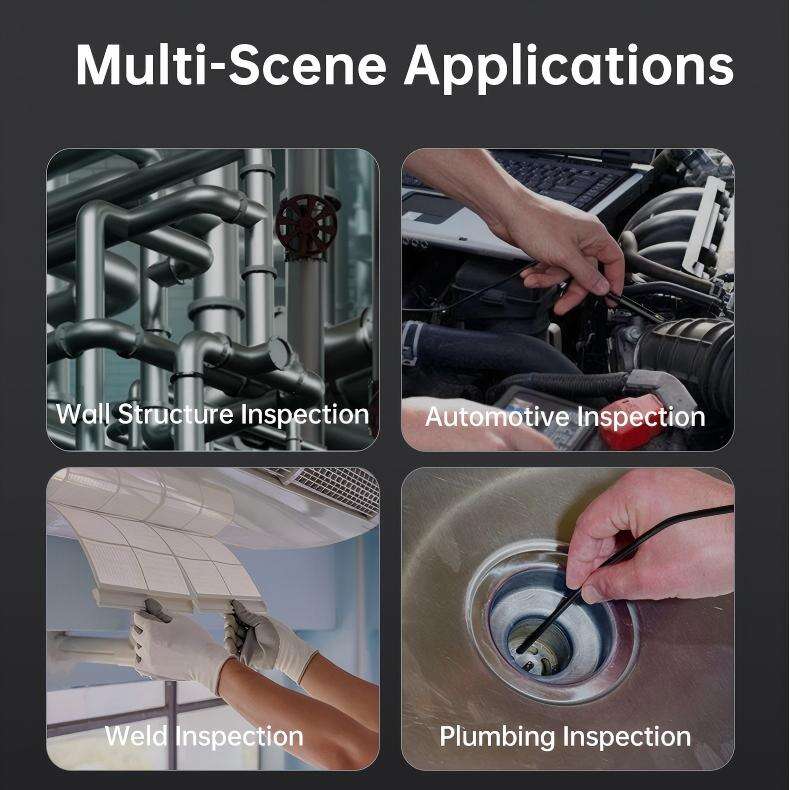
Industrial endoscope cameras have revolutionized the way professionals inspect hard-to-reach areas across various industries. These sophisticated visual inspection tools enable technicians and engineers to examine internal components, detect defects, and perform maintenance tasks without dismantling entire systems. An endoscope camera provides real-time visual access to confined spaces, pipes, machinery interiors, and complex assemblies that would otherwise require expensive disassembly or costly downtime.
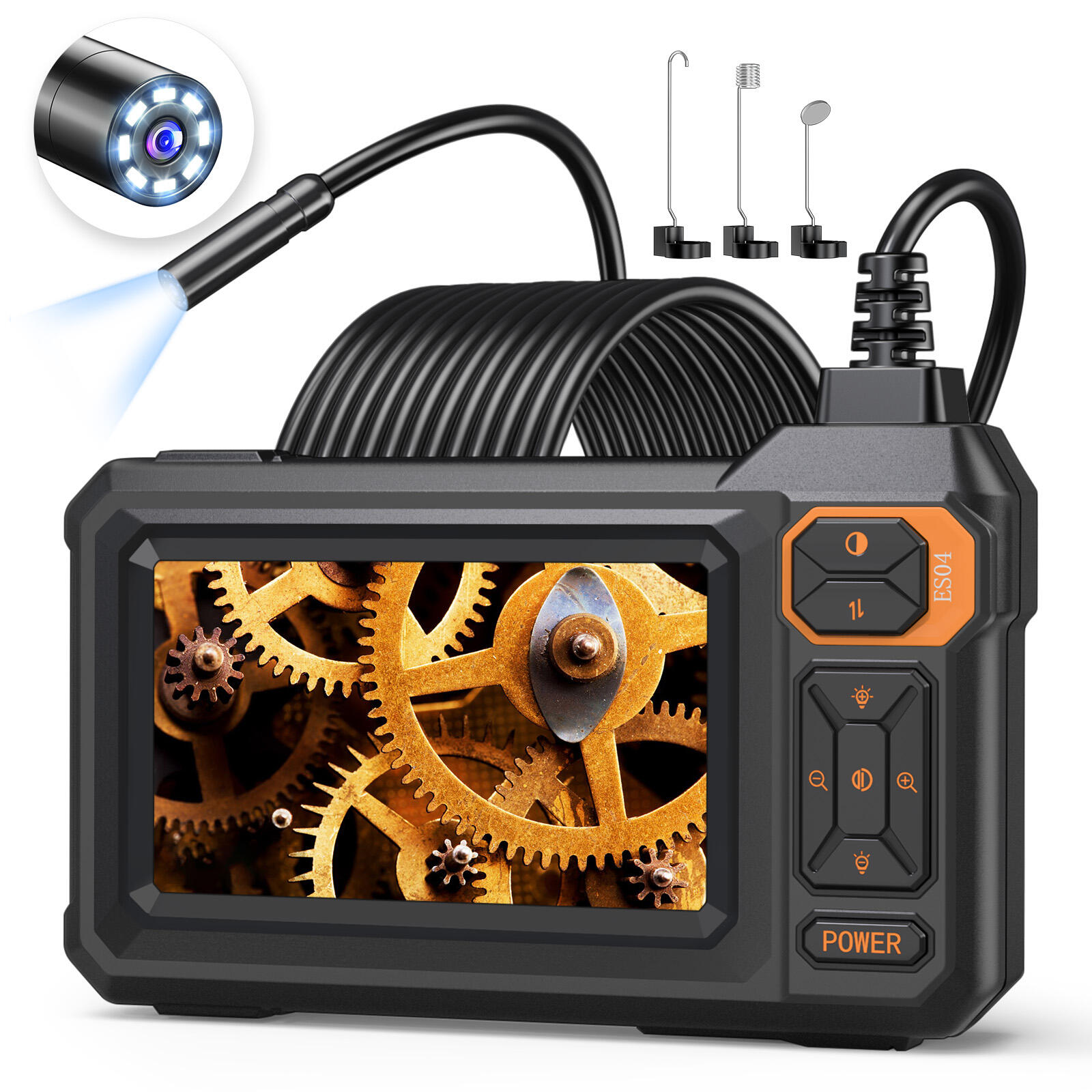
The versatility of an industrial endoscope camera extends far beyond simple visual inspection. Modern systems integrate advanced features such as high-definition imaging, adjustable LED lighting, waterproof construction, and wireless connectivity to deliver comprehensive diagnostic capabilities. From automotive manufacturing to aerospace maintenance, plumbing diagnostics to quality control applications, these devices serve as indispensable tools for maintaining operational efficiency and ensuring safety standards across diverse industrial sectors.
Core Industrial Applications of Endoscope Cameras
Manufacturing Quality Control and Inspection
Manufacturing facilities rely heavily on endoscope camera technology to maintain product quality and identify potential defects during production processes. These devices excel at inspecting internal welds, checking assembly alignment, and verifying component placement within finished products. Automotive manufacturers use endoscope cameras to examine engine block casting quality, inspect transmission assemblies, and verify proper installation of internal components without disrupting the manufacturing workflow.
Electronics manufacturing benefits significantly from endoscope camera applications, particularly for inspecting circuit board assemblies and semiconductor packaging. The high-resolution imaging capabilities allow quality control technicians to detect microscopic defects, verify solder joint integrity, and ensure proper component orientation. This level of detailed inspection helps prevent costly recalls and maintains manufacturing consistency across production lines.
Pharmaceutical and medical device manufacturing industries utilize endoscope cameras to inspect sterile production environments, verify equipment cleanliness, and ensure compliance with strict regulatory standards. The waterproof construction of industrial endoscope cameras makes them suitable for cleanroom environments where thorough sanitization is essential.
Maintenance and Predictive Diagnostics
Preventive maintenance programs across various industries incorporate endoscope camera inspections as a cost-effective method for detecting early signs of equipment deterioration. Power generation facilities use these devices to inspect turbine blades, examine heat exchanger tubes, and assess internal corrosion in critical infrastructure components. The ability to perform these inspections while equipment remains operational significantly reduces maintenance costs and prevents unexpected failures.
HVAC systems benefit tremendously from endoscope camera inspections, allowing technicians to examine ductwork integrity, identify blockages, and locate air leaks without extensive disassembly. The flexible insertion tube of an endoscope camera enables navigation through complex ductwork configurations, providing comprehensive visual documentation of system conditions.
Marine and offshore applications leverage endoscope camera technology to inspect hull integrity, examine underwater structures, and assess the condition of submerged equipment. The waterproof capabilities and corrosion-resistant construction make these devices particularly valuable for harsh marine environments where traditional inspection methods prove impractical or dangerous.
Specialized Industry Applications
Aerospace and Aviation Inspection
Aerospace applications demand the highest levels of precision and reliability from endoscope camera systems. Aircraft maintenance crews utilize these devices to inspect jet engine internals, examine fuel system components, and verify structural integrity of critical flight systems. The ability to perform detailed inspections without removing engines or disassembling major components reduces aircraft downtime and maintenance costs while ensuring passenger safety.
Composite material inspection represents another crucial application area within aerospace industries. Endoscope cameras enable technicians to detect delamination, identify impact damage, and assess repair quality in carbon fiber and fiberglass structures. This capability proves essential for maintaining the structural integrity of modern aircraft designs that rely heavily on advanced composite materials.
Space exploration programs employ specialized endoscope camera systems for pre-launch inspections, in-flight diagnostics, and post-mission evaluations. These applications require extremely robust construction and precise imaging capabilities to function reliably in the demanding conditions of space exploration missions.
Automotive and Transportation Infrastructure
Automotive service centers increasingly rely on endoscope camera technology for engine diagnostics, transmission inspections, and emissions system evaluations. Modern vehicles incorporate complex internal components that require visual inspection to diagnose problems accurately. An endoscope camera allows mechanics to examine cylinder walls, inspect valve conditions, and identify internal engine damage without costly teardown procedures.
Railway maintenance operations utilize endoscope cameras to inspect brake systems, examine coupling mechanisms, and assess the condition of internal railway car components. The portable nature of these devices enables field inspections that help maintain transportation safety standards and prevent service disruptions.
Bridge and tunnel infrastructure inspections benefit from endoscope camera technology, particularly for examining areas that are difficult or dangerous to access through traditional methods. Transportation authorities use these devices to assess structural conditions, identify maintenance needs, and document infrastructure conditions for regulatory compliance.
Utility and Infrastructure Applications
Plumbing and Drain Inspection Services
Professional plumbing services have adopted endoscope camera technology as a standard diagnostic tool for identifying blockages, locating pipe damage, and planning repair strategies. The waterproof construction and flexible design enable comprehensive inspection of sewer lines, water mains, and complex plumbing networks without excavation or destructive testing methods.
Municipal utility departments employ endoscope cameras for large-scale infrastructure assessments, storm drain evaluations, and water system maintenance planning. These applications help identify problems before they result in service disruptions or environmental hazards, supporting proactive infrastructure management strategies.
Building inspection professionals utilize endoscope cameras to examine plumbing installations in new construction, assess renovation work quality, and investigate water damage issues. The ability to document findings with high-resolution imagery provides valuable evidence for insurance claims and construction dispute resolution.
Electrical and Power System Applications
Electrical contractors and utility companies leverage endoscope camera technology for conduit inspections, cable routing verification, and underground electrical system assessments. These applications help identify installation problems, locate damaged cables, and plan system upgrades without extensive excavation or wall removal.
Power transmission facilities use endoscope cameras to inspect transformer internals, examine switchgear components, and assess the condition of underground cable systems. The ability to perform these inspections while maintaining system operation helps prevent costly power outages and ensures reliable electrical service.
Renewable energy installations, particularly wind turbine facilities, employ endoscope cameras for gearbox inspections, generator assessments, and structural integrity evaluations. These applications support predictive maintenance programs that maximize equipment availability and optimize energy production efficiency.
Security and Law Enforcement Applications
Border Security and Customs Inspection
Border security agencies utilize endoscope cameras for vehicle inspections, container searches, and structural assessments of potential smuggling compartments. The covert nature of these inspections helps detect illegal activities while minimizing disruption to legitimate commerce and travel operations.
Customs departments employ endoscope camera technology for examining cargo containers, inspecting shipping vessel holds, and verifying import documentation accuracy. These applications support trade security initiatives while maintaining efficient processing of legitimate commercial shipments.
Airport security operations incorporate endoscope cameras for aircraft inspections, baggage screening enhancement, and facility security assessments. The portable design enables rapid deployment for investigating security concerns and maintaining aviation safety standards.
Emergency Response and Search Operations
Emergency response teams employ endoscope cameras for search and rescue operations, particularly in collapsed building scenarios and confined space emergencies. The ability to assess conditions and locate survivors without creating additional hazards proves invaluable during disaster response operations.
Fire departments utilize endoscope camera systems for hazmat investigations, structural assessments, and post-fire damage evaluations. These applications help identify safety hazards and plan appropriate response strategies while protecting first responder safety.
Law enforcement agencies leverage endoscope camera technology for evidence gathering, tactical operations, and crime scene investigations. The ability to document findings with high-quality imagery supports legal proceedings and enhances investigative capabilities.
FAQ
What makes an industrial endoscope camera different from medical endoscopes?
Industrial endoscope cameras are specifically designed for harsh environments and demanding applications that medical endoscopes cannot handle. They feature ruggedized construction, enhanced waterproofing ratings, more powerful LED lighting systems, and specialized imaging sensors optimized for industrial inspection tasks. Industrial models also typically offer longer cable lengths, broader temperature operating ranges, and compatibility with industrial environments containing chemicals, oils, and abrasive materials.
How do you choose the right endoscope camera for specific industrial applications?
Selecting the appropriate endoscope camera depends on several key factors including the inspection environment, required image quality, cable length needs, and specific features required for the application. Consider the diameter of access points, waterproof requirements, lighting conditions, and whether wireless connectivity or recording capabilities are necessary. Professional applications often require higher resolution imaging, more robust construction, and specialized accessories for optimal performance.
Can endoscope cameras be used in explosive or hazardous environments?
Standard endoscope cameras are not suitable for explosive atmospheres or hazardous locations without proper certification. However, specially designed intrinsically safe endoscope cameras are available for use in classified hazardous environments. These devices meet strict safety standards and undergo rigorous testing to ensure they cannot create ignition sources in potentially explosive atmospheres. Always verify certification requirements and safety standards before using any electronic equipment in hazardous environments.
What maintenance is required for industrial endoscope cameras?
Regular maintenance for industrial endoscope cameras includes cleaning the lens and cable after each use, checking waterproof seals, and storing the device properly to prevent cable kinking or damage. Battery maintenance, firmware updates, and calibration verification should be performed according to manufacturer recommendations. Professional applications may require periodic certification and calibration to maintain accuracy standards. Proper handling and storage significantly extend equipment life and maintain inspection reliability.