 EN
EN

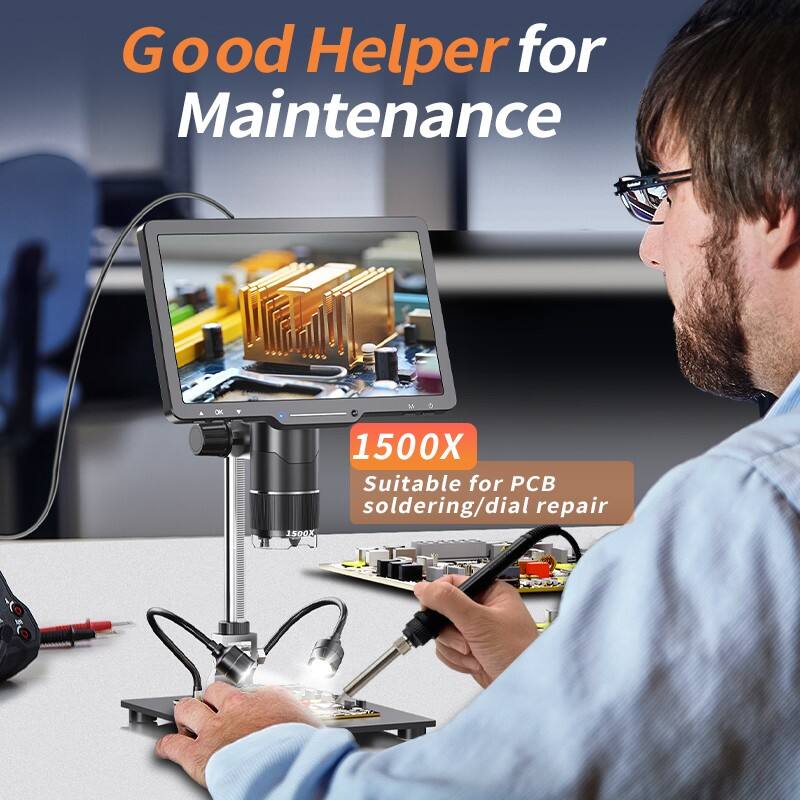
Mobile device repair has become an increasingly specialized field requiring precision tools and equipment to handle today's sophisticated electronics. With components becoming smaller and more intricate, technicians need reliable magnification solutions to perform accurate diagnostics and repairs. A professional microscope for mobile repair serves as an indispensable tool for identifying circuit board damage, examining solder joints, and ensuring quality workmanship throughout the repair process.
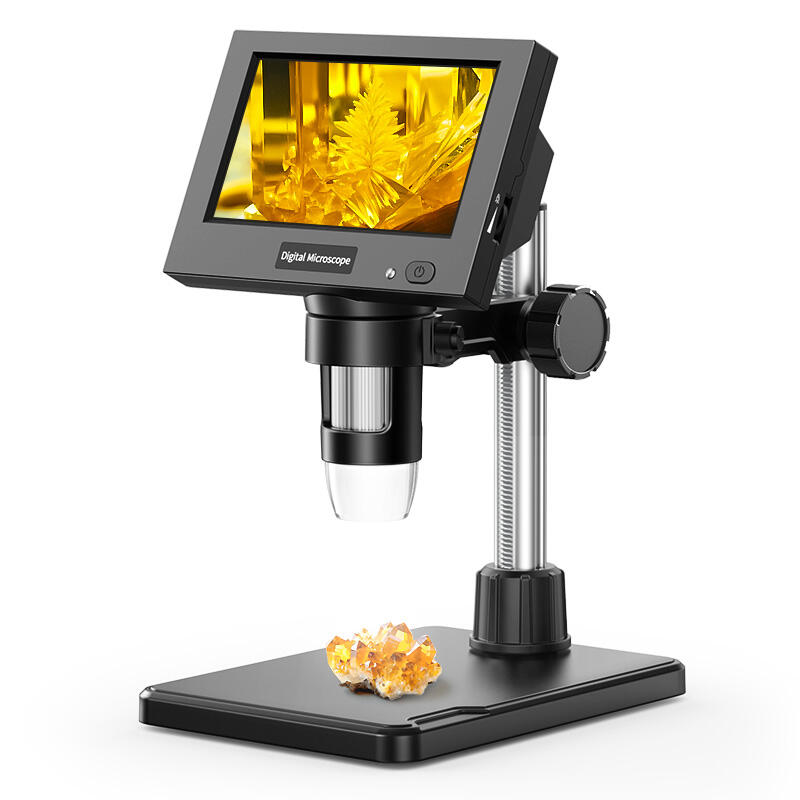
Understanding Digital Microscopy in Mobile Repair
Evolution of Repair Technology
The mobile repair industry has undergone significant transformation over the past decade, driven by advances in smartphone complexity and miniaturization. Modern devices contain components measured in nanometers, making traditional magnifying glasses insufficient for detailed inspection work. Digital microscopes have emerged as the preferred solution, offering enhanced magnification capabilities, real-time imaging, and documentation features that streamline the repair process.
Professional repair shops increasingly rely on specialized optical equipment to maintain competitive advantages in accuracy and efficiency. The integration of high-resolution cameras with adjustable magnification levels allows technicians to capture detailed images of damaged components, create repair documentation, and provide visual evidence to customers. This technological evolution has elevated mobile repair from a simple replacement service to a precision engineering discipline.
Key Advantages of Digital Systems
Digital microscopy systems offer numerous benefits over traditional optical alternatives in mobile repair applications. The ability to display magnified images on external monitors reduces eye strain during extended repair sessions while enabling multiple technicians to observe procedures simultaneously. Built-in LED illumination systems provide consistent, adjustable lighting that eliminates shadows and ensures optimal visibility of microscopic details.
Image and video recording capabilities transform quality control processes by allowing technicians to document before-and-after conditions of repaired devices. This documentation proves invaluable for warranty claims, training purposes, and maintaining professional service standards. Advanced digital systems also support measurement tools and annotation features that enhance precision and communication with customers.
Essential Specifications for Professional Use
Magnification Range Requirements
Selecting appropriate magnification levels represents a critical decision factor when choosing equipment for mobile device repair work. Most professional applications require variable magnification ranging from 10x to 200x, providing flexibility to examine different component sizes and detail levels. Lower magnification levels suit general inspection tasks, while higher magnifications enable precise soldering work and microscopic component analysis.
The microscope for mobile repair should offer smooth magnification adjustment without image distortion or focus shifting. Continuous zoom capabilities provide superior versatility compared to stepped magnification systems, allowing technicians to fine-tune viewing conditions for specific repair tasks. Professional-grade systems maintain image clarity and color accuracy across the entire magnification range.
Display and Interface Considerations
Screen size and resolution directly impact usability and precision in mobile repair applications. Larger displays reduce eye fatigue and provide better detail visibility, while high-resolution screens ensure accurate color representation and sharp image quality. Most professional systems feature screens ranging from 4 to 10 inches, with 1080p or higher resolution standards becoming increasingly common.
User interface design affects operational efficiency and learning curves for new technicians. Intuitive control layouts with clearly labeled buttons and menu systems minimize training time and reduce operational errors. Touch screen interfaces offer modern convenience, but physical controls often prove more reliable in workshop environments where contamination and frequent use occur.
Illumination Systems and Image Quality
LED Lighting Technology
Proper illumination forms the foundation of effective microscopy in mobile repair applications. Modern systems utilize LED technology to provide bright, consistent lighting with minimal heat generation and extended operational life. Adjustable brightness controls allow technicians to optimize lighting conditions for different materials and component types, preventing glare while maintaining adequate visibility.
Multiple LED configurations enhance versatility and shadow reduction during detailed work. Ring lights provide even illumination around the viewing area, while side-mounted LEDs offer directional lighting for examining textured surfaces and component edges. Professional systems often incorporate both lighting types, allowing technicians to select optimal configurations for specific repair tasks.
Color Accuracy and Resolution
Accurate color representation proves essential for identifying component values, wire color codes, and heat damage indicators in mobile devices. High-quality camera sensors with proper white balance calibration ensure consistent color reproduction across different lighting conditions. This accuracy becomes particularly important when documenting repairs or consulting with remote technical support teams.
Image resolution affects the level of detail visible during microscopic examination and determines the quality of recorded documentation. Modern professional systems typically offer 1080p or 4K resolution capabilities, providing sufficient detail for most mobile repair applications. Higher resolutions enable digital zoom functionality without significant quality loss, extending effective magnification ranges beyond optical limits.
Practical Applications in Mobile Device Repair
Circuit Board Inspection and Diagnosis
Circuit board analysis represents one of the most demanding applications for mobile repair microscopy. Technicians must identify damaged traces, failed components, and solder joint integrity issues that may not be visible to the naked eye. Professional magnification equipment enables detailed examination of multilayer circuit boards, revealing internal damage and manufacturing defects that affect device functionality.
Systematic inspection protocols using appropriate magnification levels help technicians quickly locate problem areas and develop effective repair strategies. The ability to examine component markings and part numbers under magnification facilitates accurate replacement sourcing and ensures compatibility with existing circuit designs. Documentation capabilities allow technicians to create detailed damage assessments for insurance claims and warranty procedures.
Precision Soldering and Component Replacement
Microscopic guidance during soldering operations significantly improves accuracy and reduces the risk of collateral damage to surrounding components. Real-time magnified viewing enables precise flux application, solder paste placement, and component positioning for surface-mount devices. The steady visual reference helps maintain consistent soldering temperatures and timing for optimal joint formation.
Component replacement procedures benefit from magnified visualization throughout the entire process, from initial removal through final installation verification. Technicians can monitor solder flow patterns, verify joint quality, and ensure proper component orientation without relying on post-installation testing alone. This real-time feedback improves first-pass success rates and reduces rework requirements.
Workspace Integration and Ergonomics
Bench Setup and Positioning
Effective microscope integration requires careful consideration of workspace layout and technician comfort during extended repair sessions. Proper positioning maintains natural viewing angles while providing adequate working space for tools and components. Adjustable boom arms and articulating mounts offer positioning flexibility to accommodate different device sizes and repair orientations.
Cable management and power requirements affect overall workspace organization and safety. Integrated power supplies reduce external adapter requirements, while strategically routed cables prevent interference with repair operations. Some professional systems include USB connectivity for external monitors or computer integration, expanding documentation and analysis capabilities.
Workflow Optimization Strategies
Streamlined workflow design maximizes productivity and maintains quality standards throughout the repair process. Standardized magnification settings for common tasks reduce setup time and ensure consistent viewing conditions across different technicians. Preset configurations for specific device types or repair procedures further optimize operational efficiency.
Documentation integration within repair workflows creates valuable quality assurance records while supporting customer communication needs. Automated image capture triggers and organized file naming conventions ensure comprehensive record keeping without disrupting repair focus. These systems prove particularly valuable for training programs and technique development initiatives.
Selection Criteria for Professional Systems
Performance vs Budget Considerations
Balancing performance requirements with budget constraints requires careful evaluation of essential features versus optional enhancements. Core functionality including adequate magnification range, reliable image quality, and consistent lighting represents minimum investment priorities for professional applications. Advanced features such as measurement tools, wireless connectivity, and enhanced recording capabilities provide added value but may not justify premium costs for all users.
Long-term operational costs including maintenance requirements, replacement parts availability, and software update support influence total ownership expenses beyond initial purchase prices. Professional-grade systems typically offer better durability and manufacturer support, potentially offsetting higher upfront investments through extended service life and reduced downtime costs.
Vendor Support and Training Resources
Comprehensive vendor support including technical assistance, training materials, and software updates ensures optimal system utilization throughout its operational life. Manufacturers offering detailed user manuals, video tutorials, and responsive customer service provide greater value for professional users who depend on consistent equipment performance.
Training program availability helps technicians maximize system capabilities and develop advanced microscopy techniques specific to mobile repair applications. Hands-on workshops, online certification courses, and peer networking opportunities create professional development pathways that enhance repair quality and operational efficiency. These resources often distinguish premium manufacturers from budget-oriented suppliers.
FAQ
What magnification level is best for mobile phone repair work
Most mobile repair tasks require magnification levels between 20x and 100x, depending on the specific component size and detail requirements. General inspection work performs well at 20x to 40x magnification, while precise soldering operations may need 60x to 100x magnification for optimal visibility. Variable magnification systems offer the most versatility for different repair scenarios.
How important is LED lighting in repair microscopes
LED lighting is essential for professional mobile repair applications because it provides consistent, adjustable illumination without generating excessive heat that could damage sensitive components. Quality LED systems offer extended operational life, energy efficiency, and superior color accuracy compared to traditional lighting methods. Adjustable brightness controls allow optimization for different materials and viewing conditions.
Can digital microscopes record repair procedures for documentation
Yes, most professional digital microscopes include image and video recording capabilities that create valuable documentation for quality assurance, customer communication, and training purposes. These features allow technicians to capture before-and-after images, document repair procedures, and maintain comprehensive service records. Some systems also support live streaming for remote consultation or training applications.
What are the main advantages of digital microscopes over traditional optical types
Digital microscopes offer several key advantages including reduced eye strain through external display viewing, image recording capabilities, adjustable digital enhancement features, and the ability for multiple people to observe simultaneously. They also provide measurement tools, annotation capabilities, and integration with computer systems for enhanced documentation and analysis. These benefits make digital systems more versatile and user-friendly for professional repair environments.