 EN
EN

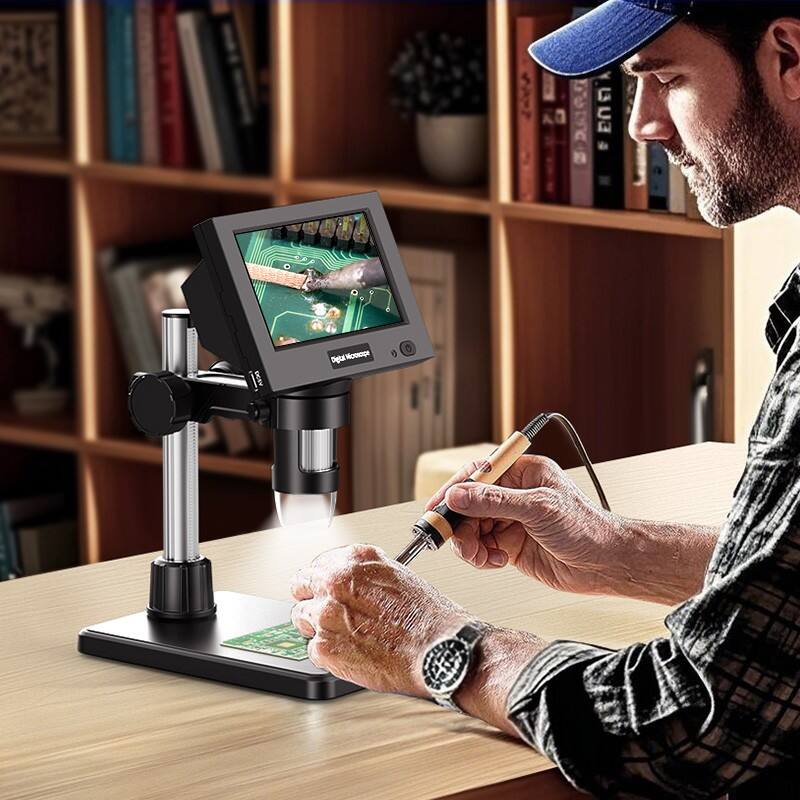
Mobile device repair has evolved into a sophisticated craft requiring precision tools and exceptional visual clarity. Modern smartphones pack increasingly complex components into incredibly small spaces, making traditional repair methods inadequate for today's technicians. Professional repair specialists understand that success hinges on having the right equipment, particularly when it comes to magnification and illumination. A high-quality microscope for mobile repair serves as the cornerstone of any professional repair setup, enabling technicians to identify microscopic damage, perform delicate soldering operations, and ensure quality control throughout the repair process.
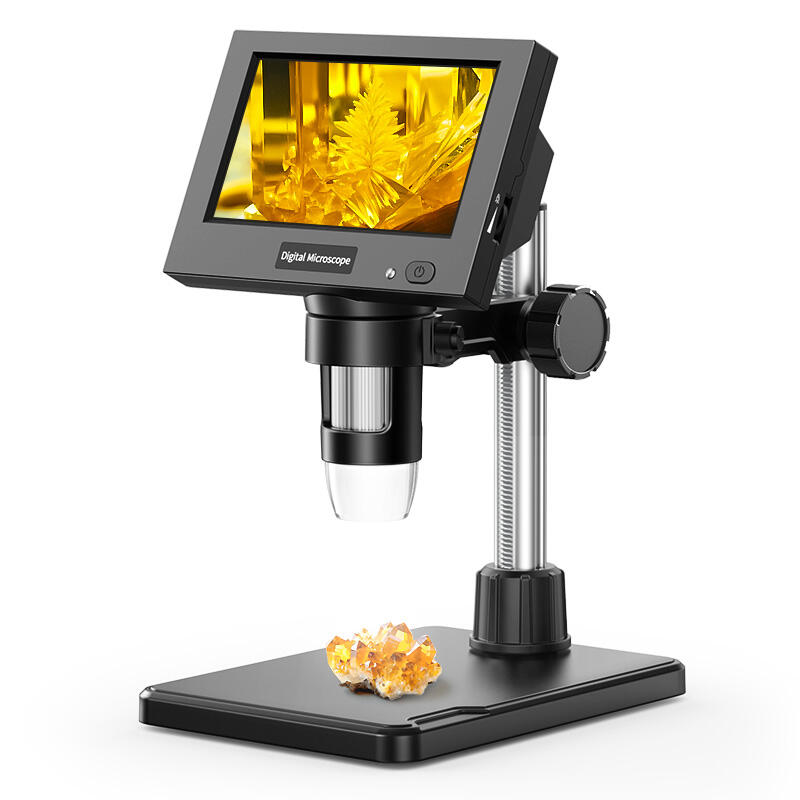
Essential Features of Professional Mobile Repair Microscopes
Magnification Power and Optical Quality
The foundation of any effective mobile repair microscope lies in its magnification capabilities and optical precision. Professional-grade units typically offer magnification ranges from 7x to 45x, providing the versatility needed for various repair tasks. Lower magnifications work well for general inspection and component identification, while higher powers enable detailed work on tiny surface-mount components and intricate circuit patterns. Modern digital microscopes often feature continuous zoom functionality, allowing technicians to smoothly transition between magnification levels without losing focus on their work area.
Optical quality directly impacts repair accuracy and technician eye strain during extended work sessions. High-resolution lenses with superior light transmission ensure crisp, clear images that reveal even the smallest details. Advanced models incorporate sophisticated lens systems that minimize chromatic aberration and distortion, providing true-to-life color representation crucial for identifying component values and circuit board traces. Professional technicians recognize that investing in superior optics pays dividends through improved repair success rates and reduced rework.
Lighting Systems and Illumination Technology
Effective illumination represents a critical factor in mobile repair microscopy, as inadequate lighting can obscure vital details and create shadows that interfere with precise work. Modern repair microscopes typically feature LED lighting systems that provide bright, even illumination across the entire field of view. Adjustable intensity controls allow technicians to optimize lighting conditions for different materials and repair scenarios, preventing glare from reflective surfaces while ensuring adequate brightness for detailed inspection.
Advanced lighting configurations include multiple LED arrays positioned at various angles to eliminate shadows and provide comprehensive coverage. Some professional models incorporate ring lights that surround the lens assembly, delivering shadowless illumination ideal for photographing repair procedures and documenting component conditions. Color temperature adjustment capabilities enable technicians to match lighting conditions to their specific requirements, whether performing detailed soldering work or conducting quality inspections under standardized lighting conditions.
Digital Display Technology and Modern Advantages
LCD Screen Benefits and Ergonomic Considerations
Digital microscopes with integrated LCD displays have revolutionized mobile repair workflows by eliminating the physical eyepieces found in traditional optical microscopes. Large, high-resolution screens enable multiple technicians to observe repair procedures simultaneously, facilitating training and collaborative problem-solving. This shared viewing capability proves invaluable in professional repair environments where knowledge transfer and quality control oversight are essential components of successful operations.
Ergonomic advantages of digital display systems cannot be overstated, particularly during extended repair sessions. Technicians maintain natural head and neck positions while working, reducing fatigue and the risk of repetitive strain injuries associated with prolonged microscope use. The ability to adjust screen angles and positions further enhances comfort, allowing each technician to customize their workspace for optimal productivity. Many modern units feature articulating arms or adjustable stands that accommodate various working heights and positions.
Recording and Documentation Features
Professional repair operations increasingly require detailed documentation for warranty claims, quality assurance, and customer communication. Digital microscopes excel in this area by offering integrated photo and video recording capabilities that capture high-resolution images and detailed repair procedures. Built-in storage systems or SD card compatibility enable technicians to maintain comprehensive repair records without requiring additional equipment or complex setup procedures.
Advanced models incorporate time-lapse functionality and before-and-after comparison features that demonstrate repair progress and validate completed work. These documentation capabilities prove particularly valuable when dealing with insurance claims or warranty disputes, providing clear visual evidence of component conditions and repair procedures. Some units offer direct connectivity to computers or networks, streamlining the process of uploading repair documentation to customer management systems or cloud storage platforms.
Working Distance and Clearance Requirements
Optimal Working Distance for Mobile Repair Tasks
Working distance represents the space between the microscope lens and the subject being examined, directly impacting the accessibility and functionality of repair operations. Microscope for mobile repair applications typically require working distances ranging from 90mm to 120mm, providing sufficient clearance for soldering irons, tweezers, and other repair tools while maintaining optimal magnification and image quality.
Longer working distances accommodate larger repair tools and allow for more comfortable hand positioning during delicate procedures. Professional technicians appreciate the flexibility to manipulate components and tools without constantly repositioning the microscope or worrying about accidentally contacting the lens assembly. However, extremely long working distances can compromise image quality and magnification effectiveness, making it essential to find the optimal balance for specific repair requirements.
Clearance for Tools and Component Access
Mobile repair procedures often require simultaneous use of multiple tools, including precision soldering irons, hot air stations, tweezers, and flux applicators. Microscope selection must account for the physical space needed to maneuver these tools effectively while maintaining clear visualization of the work area. Adequate clearance prevents tool interference with the microscope assembly and ensures technicians can work efficiently without constant repositioning.
Component accessibility becomes particularly crucial when working on densely populated circuit boards or devices with limited internal space. The microscope's physical profile and mounting system should not obstruct access to critical repair areas or prevent proper tool positioning. Professional-grade units often feature compact lens assemblies and adjustable mounting systems that maximize clearance while maintaining stable positioning and vibration resistance during delicate operations.
Base Stability and Mounting Solutions
Heavy-Duty Base Construction
Microscope stability directly impacts image quality and repair precision, making base construction a critical consideration for professional applications. Heavy-duty metal bases provide the mass and rigidity necessary to minimize vibrations that can blur images or interfere with delicate soldering operations. Cast iron or steel construction materials offer superior stability compared to lightweight alternatives, ensuring consistent performance even in busy repair environments with multiple active workstations.
Base design should incorporate features that enhance stability while providing practical functionality for repair operations. Wide, low-profile designs lower the center of gravity and increase resistance to accidental movement or vibration transmission from nearby equipment. Integrated cable management systems keep power and video cables organized and prevent them from interfering with microscope positioning or creating tripping hazards in busy repair environments.
Articulating Arms and Positioning Flexibility
Modern microscope mounting systems often feature articulating arm assemblies that provide exceptional positioning flexibility while maintaining rock-solid stability during use. Multi-joint arms enable technicians to position the microscope head at virtually any angle or orientation, accommodating various device sizes and repair scenarios without requiring separate mounting systems or workspace modifications. Professional-grade articulating arms incorporate friction locks or mechanical brakes at each joint to prevent unwanted movement once positioned.
Positioning flexibility proves particularly valuable when transitioning between different device types or repair procedures throughout the workday. Technicians can quickly adjust microscope height, angle, and lateral position to optimize viewing conditions for each specific task. Quality articulating systems maintain their positioning accuracy over time, resisting the loosening and drift common in lower-quality mounting solutions that can compromise long-term reliability and user satisfaction.
Connectivity and Integration Options
USB and Computer Connectivity
Modern digital microscopes increasingly offer computer connectivity options that expand their functionality beyond standalone operation. USB connections enable direct image and video streaming to computers, laptops, or tablets, providing larger display options and advanced image processing capabilities. This connectivity proves valuable for detailed analysis, customer presentations, and integration with repair management software systems that track procedures and maintain comprehensive repair records.
Computer integration also enables access to advanced software features such as measurement tools, image enhancement filters, and comparison utilities that aid in component identification and quality control procedures. Professional repair operations benefit from the ability to capture high-resolution images directly to computer storage systems, eliminating the need for separate cameras or complex file transfer procedures. Some advanced models offer real-time streaming capabilities for remote consultation or training applications.
Network Integration and Cloud Capabilities
Enterprise-level repair operations increasingly require network-connected equipment that integrates seamlessly with existing IT infrastructure and business management systems. Advanced microscopes offer ethernet or WiFi connectivity that enables direct upload of repair documentation to network storage systems or cloud platforms. This integration streamlines workflow processes and ensures repair records are immediately available to customer service representatives and quality control personnel.
Cloud connectivity also facilitates remote collaboration and expert consultation capabilities, allowing experienced technicians to provide guidance on complex repairs regardless of physical location. Real-time image sharing and video conferencing integration enable efficient knowledge transfer and problem-solving support that can significantly improve repair success rates and reduce turnaround times for challenging procedures.
Power Management and Reliability
LED Lighting Efficiency and Longevity
LED lighting systems in professional repair microscopes offer significant advantages in terms of power efficiency, heat generation, and operational longevity compared to traditional halogen or incandescent alternatives. Modern LED arrays consume minimal power while providing bright, consistent illumination that maintains color temperature stability throughout extended operation periods. This efficiency translates to lower operating costs and reduced heat generation that could potentially affect sensitive electronic components during repair procedures.
LED longevity typically exceeds 50,000 hours of operation, effectively eliminating bulb replacement costs and maintenance downtime associated with traditional lighting systems. Consistent light output throughout the LED lifespan ensures reliable illumination conditions that support accurate color discrimination and detail recognition essential for professional repair work. Advanced LED controllers incorporate thermal management systems that further extend component life while maintaining optimal performance characteristics.
Power Supply Reliability and Backup Options
Professional repair environments require equipment reliability that minimizes downtime and ensures consistent productivity throughout demanding work schedules. Quality microscopes incorporate robust power supply systems with adequate capacity and thermal protection that prevent failures during critical repair procedures. Switching power supplies offer superior efficiency and reliability compared to linear alternatives while providing stable voltage regulation under varying load conditions.
Backup power options become increasingly important in professional settings where power interruptions could result in lost work or damaged components. Some advanced models offer battery backup systems that provide temporary operation during power outages, allowing technicians to complete critical procedures safely. Uninterruptible power supply compatibility ensures seamless integration with existing backup power infrastructure in professional repair facilities.
Cost Considerations and Value Analysis
Initial Investment vs Long-Term Benefits
Professional repair microscopes represent significant capital investments that require careful analysis of initial costs versus long-term operational benefits and return on investment. High-quality units typically command premium prices but deliver superior performance, reliability, and longevity that justify their cost through increased productivity and reduced downtime. Professional technicians recognize that microscope quality directly impacts repair success rates, customer satisfaction, and ultimately business profitability.
Long-term cost analysis should consider factors such as maintenance requirements, component replacement costs, and potential upgrade pathways when evaluating different microscope options. Premium models often feature modular designs that allow for future capability expansion without requiring complete system replacement, providing better long-term value despite higher initial investment. Warranty coverage and technical support availability also contribute significantly to total cost of ownership calculations.
Professional vs Entry-Level Options
The microscope market offers options ranging from basic entry-level units to sophisticated professional-grade systems, each targeting different user requirements and budget constraints. Entry-level models typically provide adequate performance for occasional repair work or learning environments but may lack the precision, stability, and advanced features required for high-volume professional operations. Professional units incorporate superior optical systems, robust construction, and advanced capabilities that justify their premium pricing for serious repair operations.
Performance differences between professional and entry-level options become particularly apparent during extended use periods and demanding repair scenarios. Professional models maintain consistent performance under continuous operation while providing the stability and precision necessary for complex micro-soldering procedures. Advanced features such as measurement capabilities, documentation tools, and connectivity options provide additional value that supports efficient workflow processes and quality control procedures.
FAQ
What magnification level works best for mobile phone repair tasks
Most mobile repair procedures require magnification levels between 10x and 30x, with 20x being optimal for general circuit board work and component identification. Higher magnifications up to 45x prove useful for inspecting tiny surface-mount components and verifying solder joint quality. Lower magnifications around 7x to 10x work well for overall device assessment and component location tasks. Professional microscopes with continuous zoom capabilities allow technicians to adjust magnification smoothly based on specific task requirements without losing focus.
How important is LED lighting quality in repair microscopes
LED lighting quality significantly impacts repair accuracy and technician comfort during extended work sessions. High-quality LED systems provide consistent, bright illumination with accurate color representation that enables proper component identification and solder joint assessment. Adjustable intensity controls and even light distribution prevent shadows and glare that can obscure important details. Poor lighting quality can lead to repair errors, eye strain, and reduced productivity, making it a critical factor in microscope selection for professional applications.
Can digital microscopes replace traditional optical microscopes for mobile repair
Digital microscopes have largely replaced traditional optical units in professional mobile repair applications due to their superior ergonomics, documentation capabilities, and collaborative features. LCD screens eliminate eye strain associated with eyepieces while enabling multiple people to observe procedures simultaneously. Built-in recording capabilities facilitate quality control and customer communication. However, some technicians still prefer optical systems for certain applications where direct viewing provides slight advantages in depth perception or image quality.
What working distance is optimal for mobile device repair procedures
Optimal working distance for mobile repair typically ranges from 90mm to 120mm, providing adequate clearance for soldering irons, tweezers, and other repair tools while maintaining good magnification and image quality. Shorter distances may restrict tool access and increase risk of lens contamination, while longer distances can compromise image quality and magnification effectiveness. Professional technicians should select microscopes that offer the longest practical working distance while meeting their magnification and clarity requirements for specific repair procedures.
Table of Contents
- Essential Features of Professional Mobile Repair Microscopes
- Digital Display Technology and Modern Advantages
- Working Distance and Clearance Requirements
- Base Stability and Mounting Solutions
- Connectivity and Integration Options
- Power Management and Reliability
- Cost Considerations and Value Analysis
- FAQ