 EN
EN

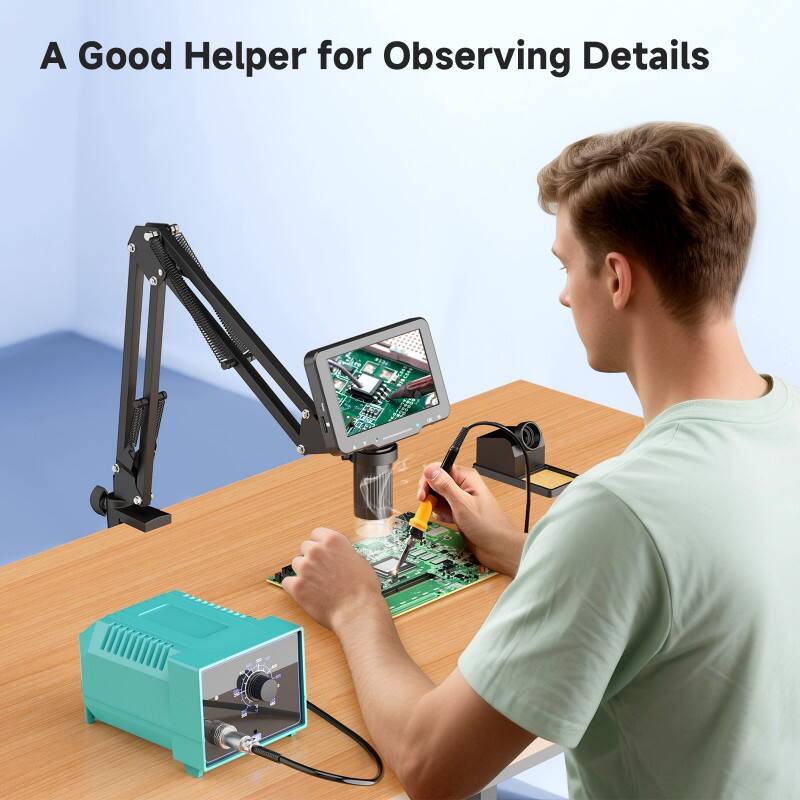
Selecting the right microscope adults can use effectively requires understanding your specific needs, skill level, and intended applications. Whether you're pursuing a hobby like coin collecting, engaging in electronics repair, or exploring biological specimens, choosing an appropriate microscope adults beginners can handle comfortably will significantly enhance your experience and results. This comprehensive guide walks you through the essential factors that determine which microscope adults should consider for their particular requirements.
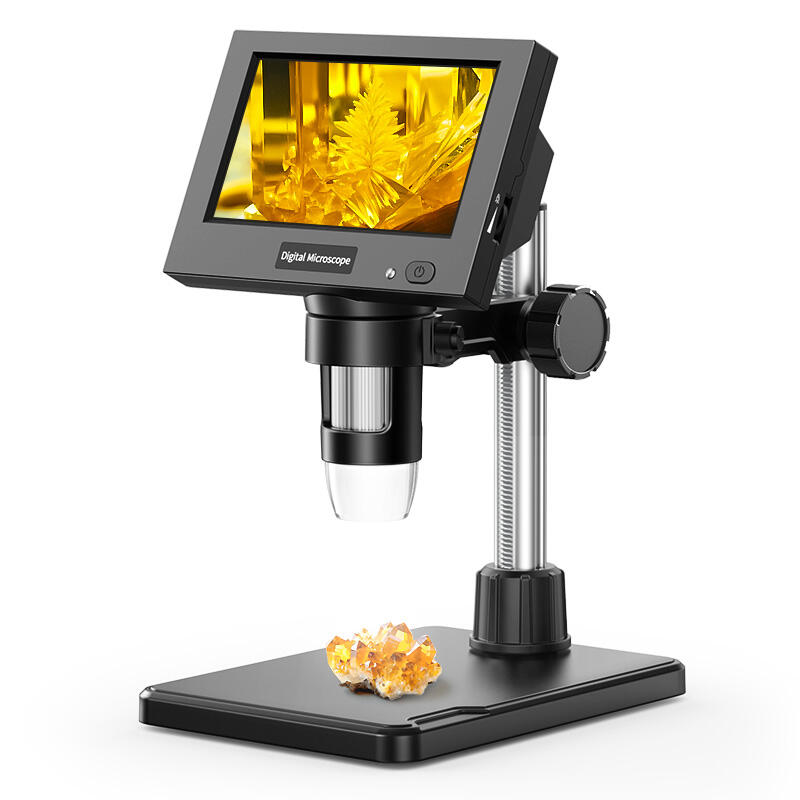
The process of choosing a microscope adults can confidently operate involves evaluating magnification requirements, optical quality, ergonomic features, and budget considerations. Unlike selecting microscopes for educational institutions or professional laboratories, adult beginners need instruments that balance functionality with ease of use. Understanding these selection criteria helps ensure you invest in a microscope adults find both practical and enjoyable to use for years to come.
Understanding Different Microscope Types for Adult Users
Compound Microscopes for Detailed Specimen Analysis
Compound microscopes represent the most common choice for microscope adults select when examining thin specimens like plant cells, bacteria, or prepared slides. These instruments use multiple lenses to achieve high magnification levels, typically ranging from 40x to 1000x or higher. For adult beginners, compound microscopes offer excellent value because they provide the familiar microscope experience many remember from school while delivering professional-quality results.
When evaluating compound options, microscope adults should prioritize models with quality objective lenses and comfortable eyepieces. The optical system directly impacts image clarity, color accuracy, and eye strain during extended viewing sessions. Most compound microscopes suitable for adults feature rotating nosepieces that allow quick switching between different magnification levels, making them ideal for progressive examination of specimens.
Modern compound microscopes designed for microscope adults often include LED illumination systems that provide consistent, cool lighting without the heat generation of traditional bulbs. This feature proves particularly beneficial for live specimen observation and reduces maintenance requirements, making these instruments more user-friendly for adult hobbyists and beginners.
Stereo Microscopes for Three-Dimensional Viewing
Stereo microscopes, also called dissecting microscopes, offer unique advantages for microscope adults interested in examining larger objects with three-dimensional perspective. These instruments typically provide lower magnification ranges, usually between 10x and 80x, but excel at revealing surface details, textures, and structural relationships that compound microscopes cannot capture effectively.
The dual optical path design of stereo microscopes allows microscope adults to perceive depth and work comfortably with specimens using both hands. This capability makes stereo microscopes ideal for activities like jewelry examination, electronics inspection, watch repair, or botanical studies. The larger working distance between the objective lens and specimen provides ample space for manipulation tools and specimen positioning.
Many stereo microscopes suitable for microscope adults feature zoom mechanisms that allow continuous magnification adjustment within their range. This flexibility eliminates the need to change objective lenses and provides smooth transitions when examining different aspects of the same specimen. The ergonomic advantages of stereo microscopes make them excellent choices for adults who plan extended observation sessions.
Digital Microscopes for Modern Applications
Digital microscopes represent an increasingly popular choice among microscope adults who want to capture, share, and analyze images electronically. These instruments integrate cameras directly into their optical systems, allowing real-time viewing on computer screens or built-in displays. For tech-savvy adults, digital microscopes eliminate the need for separate camera attachments while providing instant image capture capabilities.
The microscope adults can particularly benefit from includes features like image measurement tools, annotation capabilities, and video recording functions. These digital features enable documentation of observations, creation of comparison images, and sharing of discoveries with others who share similar interests.
Digital microscopes designed for microscope adults often provide connectivity options including USB ports, wireless transmission, or memory card storage. This technological integration allows seamless workflow from observation to documentation, making them ideal for adults who want to maintain detailed records of their microscopic investigations or create presentations about their findings.
Key Specifications That Matter for Adult Users
Magnification Range and Practical Applications
Determining appropriate magnification requirements represents a crucial decision factor when selecting a microscope adults will use regularly. Most adult applications require magnification levels between 20x and 400x, though specific needs vary based on intended use. Electronics enthusiasts typically need 10x to 50x magnification for circuit board inspection, while biological hobbyists often require 100x to 400x for cellular examination.
Understanding that higher magnification doesn't automatically mean better results helps microscope adults make informed decisions. Excessive magnification can reduce image brightness, narrow the field of view, and increase vibration sensitivity. The key lies in matching magnification capabilities to actual applications rather than simply choosing the highest available power.
Quality microscope adults select should offer multiple magnification options through interchangeable objective lenses or zoom mechanisms. This versatility allows progressive examination, starting with lower magnification for specimen location and orientation, then increasing power for detailed analysis. The ability to quickly change magnification levels enhances the overall user experience and observation efficiency.
Optical Quality and Image Resolution
Optical quality determines the actual performance that microscope adults experience during use, regardless of specified magnification levels. High-quality lenses produce sharp, clear images with accurate color reproduction and minimal optical aberrations. Cheaper microscopes may offer impressive magnification specifications but deliver blurry or distorted images that frustrate users and limit practical utility.
When evaluating optical quality, microscope adults should consider factors like lens coating, glass quality, and overall optical design. Multi-coated lenses reduce reflections and improve light transmission, resulting in brighter, more contrasty images. Quality glass elements minimize chromatic aberration, which causes color fringing around specimen edges and reduces image sharpness.
The numerical aperture specification indicates the light-gathering capability of objective lenses, directly affecting resolution and image quality. Higher numerical aperture values typically produce better results, but microscope adults should balance this specification against other factors like working distance and depth of field requirements for their specific applications.
Illumination Systems and Light Management
Proper illumination plays a critical role in the performance that microscope adults achieve with their instruments. Modern microscopes typically feature LED illumination systems that provide consistent, cool lighting with long operating life and minimal maintenance requirements. LED systems also offer variable intensity control, allowing users to optimize lighting conditions for different specimens and magnification levels.
The illumination design affects both image quality and user comfort for microscope adults during extended observation sessions. Bottom-mounted transmitted light works well for thin, transparent specimens on slides, while top-mounted incident light suits opaque objects like coins, insects, or electronic components. Many versatile microscopes provide both illumination options, expanding their application range.
Advanced illumination features that benefit microscope adults include adjustable light positioning, color temperature control, and specialized lighting techniques like darkfield or phase contrast. While beginners may not immediately utilize these features, having them available allows skill development and expanded capabilities as experience grows.
Ergonomic Considerations for Adult Users
Physical Comfort During Extended Use
Ergonomic design significantly impacts the enjoyment and practicality of any microscope adults choose for regular use. Unlike brief educational demonstrations, adult hobbyists often spend hours examining specimens, making comfort features essential for preventing fatigue and eye strain. Proper eyepiece height, adjustable viewing angles, and comfortable head positioning directly influence user satisfaction and observation quality.
Microscope adults should prioritize models with binocular viewing heads that allow natural eye spacing adjustment and diopter correction for vision differences between eyes. Monocular microscopes, while less expensive, can cause eye fatigue and neck strain during extended use. The additional cost of binocular systems typically proves worthwhile for adults who plan regular microscope use.
Adjustable eyepiece tubes allow microscope adults to customize viewing angles for their height and preferred posture. This adjustability reduces neck strain and allows comfortable observation whether sitting or standing. Some advanced models include tilting viewing heads that can be adjusted for optimal ergonomics regardless of the user's physical stature or working position.
Control Accessibility and Ease of Operation
User-friendly controls enhance the experience that microscope adults have with their instruments, particularly during the learning phase. Well-designed focus mechanisms should operate smoothly without backlash or excessive force requirements. Coarse and fine focusing controls should be clearly differentiated and positioned for intuitive operation without requiring visual attention away from the specimen.
Illumination controls for microscope adults should be easily accessible and provide smooth intensity adjustment throughout their range. Digital displays showing current settings help users reproduce successful lighting conditions for similar specimens. Control placement should avoid accidental adjustment during normal operation while remaining convenient for intentional changes.
Stage controls, including mechanical stage movements and specimen positioning mechanisms, should operate smoothly and predictably. Microscope adults benefit from mechanical stages that provide precise specimen positioning without requiring excessive force or causing vibration. Quality mechanical stages include graduated scales that help users relocate specific areas of interest on specimens.
Budget Considerations and Value Assessment
Understanding Price Ranges and Quality Levels
The microscope market offers options across a wide price spectrum, making budget planning essential for microscope adults seeking the best value for their investment. Entry-level instruments suitable for casual use typically range from $100 to $300, while serious hobby-grade microscopes often cost $300 to $800. Professional-quality instruments that microscope adults might consider for advanced applications can exceed $1000.
Price differences reflect variations in optical quality, mechanical precision, build materials, and included accessories. Microscope adults should understand that extremely low-priced instruments often compromise on optical quality, providing disappointing performance that may discourage continued use. Conversely, the highest-priced options may include features that exceed typical adult hobby requirements.
Value assessment for microscope adults involves balancing initial cost against expected usage frequency, required performance levels, and long-term durability. A moderately priced microscope that provides years of reliable service typically offers better value than either a cheap instrument requiring frequent replacement or an expensive model with unused capabilities.
Essential Accessories and Additional Costs
Complete microscope systems require various accessories that microscope adults should factor into their total investment calculations. Basic accessory requirements include prepared specimen slides, blank slides and coverslips, basic specimen preparation tools, and adequate storage solutions. These accessories can add $50 to $150 to the initial microscope cost but are essential for practical use.
Advanced accessories that enhance the capabilities available to microscope adults include additional objective lenses, specialized eyepieces, camera adapters, and specimen preparation equipment. While not immediately necessary, these accessories allow system expansion as skills and interests develop. Planning for potential accessory additions helps microscope adults choose base instruments that support future upgrades.
Maintenance and replacement costs represent ongoing expenses that microscope adults should consider during initial selection. LED illumination systems typically require minimal maintenance, while traditional bulb systems need periodic replacement. Quality instruments generally require less maintenance and provide longer service life, reducing long-term ownership costs.
FAQ
What magnification level do most adults need for hobby microscopy?
Most microscope adults find magnification levels between 40x and 400x sufficient for common hobby applications. Electronics work typically requires 10x to 50x, while biological specimens usually need 100x to 400x. Higher magnifications become difficult to use effectively without advanced techniques and may not provide practical benefits for typical adult applications.
Should adults choose digital or traditional optical microscopes?
The choice between digital and optical microscopes depends on individual preferences and intended use. Microscope adults who want to document findings, share images, or perform measurements benefit from digital models. Those who prefer direct optical viewing or have limited computer skills may find traditional optical microscopes more suitable and often less expensive.
How important is brand reputation when selecting a microscope for adults?
Brand reputation provides helpful guidance but shouldn't be the sole deciding factor for microscope adults. Established manufacturers typically offer better quality control, customer support, and parts availability. However, some newer brands provide excellent value with modern features at competitive prices. Focus on specific performance specifications and user reviews rather than brand name alone.
What maintenance requirements should adults expect with their microscopes?
Regular maintenance for microscope adults includes keeping optical surfaces clean, protecting the instrument from dust and moisture, and proper storage when not in use. LED-illuminated models require minimal maintenance compared to traditional bulb systems. Most quality microscopes provide years of reliable service with basic care and occasional professional cleaning of internal optical components.