 EN
EN


Equipment maintenance in industrial settings has undergone a revolutionary transformation with the introduction of advanced visual inspection technologies. Traditional maintenance approaches often required extensive disassembly, significant downtime, and invasive procedures that increased operational costs and reduced productivity. The integration of an industrial endoscope into maintenance protocols represents a paradigm shift that enables engineers and technicians to perform comprehensive inspections with minimal disruption to ongoing operations.
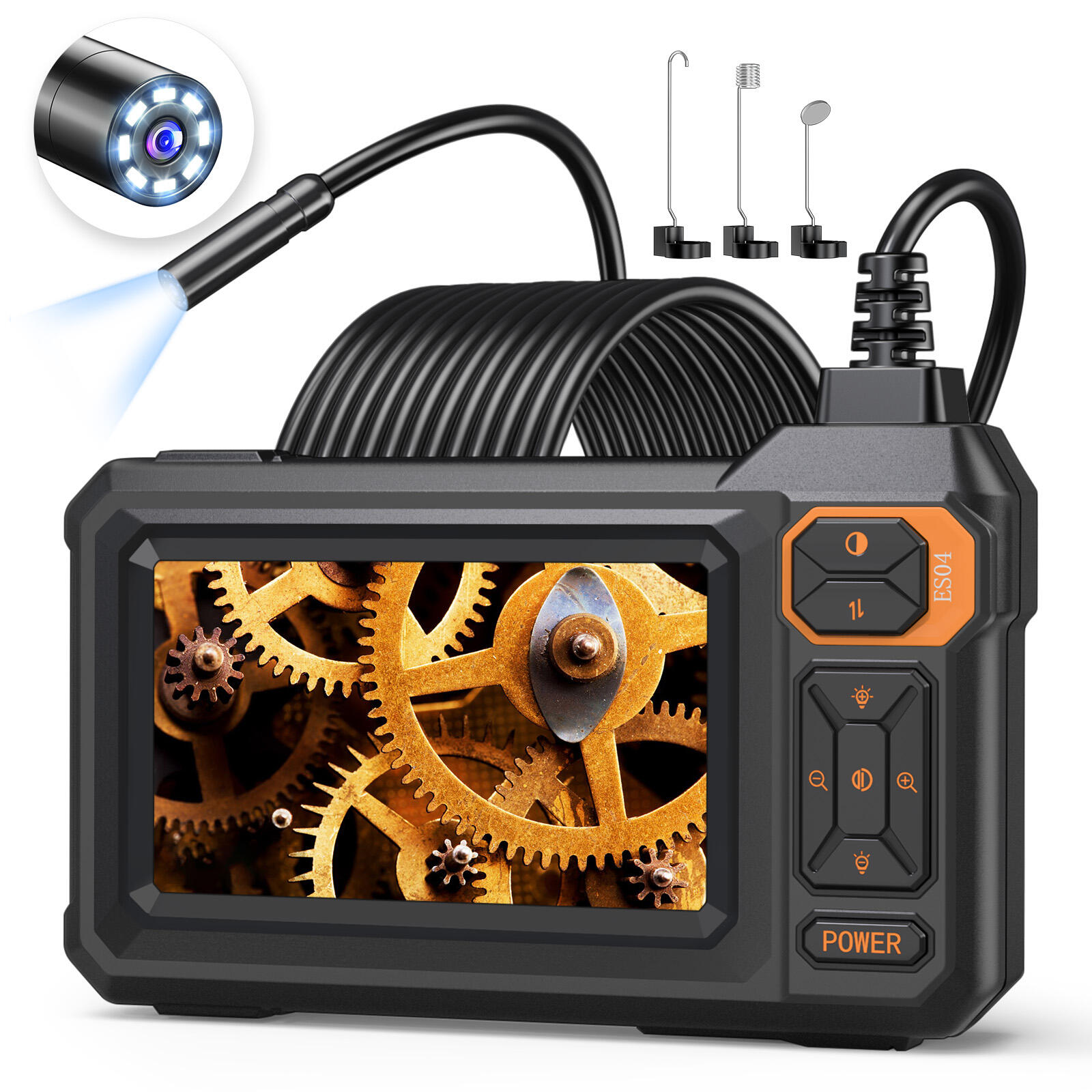
The transformation of equipment maintenance through industrial endoscope technology extends beyond simple visual inspection capabilities. These sophisticated devices fundamentally change how maintenance teams approach problem diagnosis, preventive care, and quality assurance across diverse industrial applications. By providing direct visual access to previously inaccessible areas, an industrial endoscope empowers maintenance professionals to make informed decisions based on real-time visual evidence rather than educated guesswork or costly exploratory procedures.
Revolutionary Visual Access in Confined Spaces
Breaking Traditional Inspection Barriers
Industrial maintenance has historically faced significant challenges when inspecting equipment internals, particularly in confined spaces where traditional visual assessment methods prove inadequate. An industrial endoscope eliminates these barriers by providing flexible, high-resolution visual access to areas that would otherwise require complete equipment disassembly. This capability represents a fundamental transformation in how maintenance teams approach inspection protocols, enabling them to examine internal components, detect wear patterns, and identify potential failures without interrupting normal operations.
The flexible insertion tube of an industrial endoscope can navigate through complex geometries, curved passages, and tight spaces that would be impossible to inspect using conventional methods. This accessibility transformation allows maintenance professionals to examine internal bearing surfaces, combustion chambers, hydraulic systems, and electrical connections with unprecedented clarity and detail. The ability to perform these inspections while equipment remains operational represents a significant shift from reactive to proactive maintenance strategies.
Advanced illumination systems integrated into modern industrial endoscope designs ensure optimal visibility even in completely dark environments. High-intensity LED lighting provides consistent illumination across varying distances, while adjustable brightness controls allow operators to optimize image quality for specific inspection requirements. This illumination capability transforms dark, inaccessible spaces into clearly visible inspection zones, enabling thorough assessment of component conditions.
Enhanced Diagnostic Capabilities
The diagnostic transformation enabled by industrial endoscope technology extends far beyond simple visual confirmation of component presence or absence. Modern devices incorporate high-resolution imaging sensors that capture detailed images and video recordings, providing documentation capabilities that support comprehensive maintenance records and trend analysis. This documentation transformation enables maintenance teams to track component degradation over time, establishing baseline conditions and monitoring progressive wear patterns.
Measurement capabilities integrated into advanced industrial endoscope systems allow precise dimensional analysis of components, crack detection, and wear assessment. Digital measurement tools enable operators to quantify defect sizes, measure clearances, and assess component tolerances without physical contact. This measurement transformation provides objective data that supports evidence-based maintenance decisions and helps establish predictive maintenance intervals.
Video recording capabilities of an industrial endoscope transform inspection processes by enabling real-time collaboration between field technicians and remote experts. Live streaming or recorded video can be shared immediately with engineering teams, equipment manufacturers, or specialist consultants, facilitating rapid decision-making and reducing the time required to develop appropriate maintenance responses. This collaborative transformation eliminates delays associated with scheduling expert visits or shipping components for external analysis.
Operational Efficiency and Cost Transformation
Minimizing Equipment Downtime
The operational transformation achieved through industrial endoscope implementation directly impacts production continuity and operational efficiency. Traditional inspection methods often require complete equipment shutdown, disassembly, and reassembly cycles that can extend downtime for hours or days. An industrial endoscope transforms this approach by enabling comprehensive inspections during scheduled maintenance windows or even during operation, dramatically reducing unplanned downtime and associated production losses.
Quick-connect systems and portable design characteristics of modern industrial endoscope equipment enable rapid deployment and immediate inspection capability. Setup time is typically measured in minutes rather than hours, allowing maintenance teams to perform thorough inspections without extending planned maintenance windows. This efficiency transformation enables more frequent inspections, supporting shift from reactive to predictive maintenance strategies that prevent catastrophic failures.
Real-time inspection capabilities transform maintenance scheduling by providing immediate assessment of component conditions. Rather than following predetermined maintenance intervals regardless of actual component condition, teams can make informed decisions based on visual evidence gathered through industrial endoscope inspections. This condition-based approach optimizes maintenance timing, extending component life when appropriate while preventing failures through early intervention when problems are detected.
Reducing Maintenance Costs
The cost transformation achieved through industrial endoscope adoption manifests across multiple aspects of maintenance operations, beginning with reduced labor requirements for inspection activities. Traditional disassembly and reassembly procedures often require multiple technicians working for extended periods, while endoscopic inspection can typically be performed by a single operator in a fraction of the time. This labor efficiency transformation directly reduces maintenance costs while freeing skilled personnel for other critical activities.
Parts and consumables cost transformation occurs through more accurate diagnosis of actual component conditions rather than preventive replacement based on time intervals. An industrial endoscope enables precise assessment of wear patterns, allowing maintenance teams to determine whether components require immediate replacement, can continue operating for additional cycles, or need specific repairs rather than complete replacement. This precision reduces unnecessary parts consumption and associated inventory costs.
Documentation and reporting capabilities of industrial endoscope systems transform maintenance record-keeping and compliance activities. Comprehensive visual records support warranty claims, regulatory compliance requirements, and insurance documentation needs. High-quality images and video records provide indisputable evidence of component conditions, supporting cost recovery efforts and reducing disputes with suppliers or service providers.
Quality Assurance and Safety Enhancement
Comprehensive Quality Control
Quality assurance transformation through industrial endoscope implementation enables thorough verification of work quality and component conditions without compromising inspection thoroughness. Traditional quality control methods often rely on sampling techniques or external assessments that may miss critical defects or installation errors. An industrial endoscope transforms quality assurance by enabling complete visual verification of assembly quality, joint integrity, and component positioning.
Precision inspection capabilities allow quality control teams to verify compliance with engineering specifications, assembly procedures, and safety requirements. Detailed visual documentation provides objective evidence of work quality, supporting continuous improvement initiatives and operator training programs. This documentation transformation enables systematic analysis of quality trends, identification of recurring issues, and development of targeted improvement strategies.
Remote inspection capabilities of modern industrial endoscope systems transform quality assurance in hazardous environments where direct human access poses safety risks. Inspection of equipment operating at high temperatures, in toxic atmospheres, or in radiation environments can be performed safely through endoscopic methods, maintaining thorough quality control while protecting personnel from exposure risks.
Safety and Risk Management
Safety transformation through industrial endoscope adoption extends beyond avoiding hazardous exposure during inspections to include early detection of safety-critical component deterioration. Regular endoscopic inspections enable identification of stress fractures, corrosion, wear patterns, and other degradation modes that could lead to catastrophic failures if left undetected. This early warning capability transforms safety management from reactive response to proactive prevention.
Personnel safety transformation occurs through reduced exposure to confined space entry risks, chemical exposure, and physical hazards associated with equipment disassembly. An industrial endoscope eliminates many situations where technicians would need to enter dangerous environments or work in proximity to moving machinery, electrical hazards, or unstable structures. This risk reduction transformation directly improves workplace safety statistics while maintaining inspection thoroughness.
Emergency response transformation capabilities enable rapid assessment of equipment damage following incidents, natural disasters, or operational upsets. Quick deployment of industrial endoscope equipment allows immediate evaluation of structural integrity, internal damage, and safety system functionality, supporting informed decisions about equipment restart procedures and personnel safety zones. This rapid assessment capability transforms emergency response from cautious assumption-based approaches to evidence-based decision making.
Technology Integration and Future Capabilities
Advanced Imaging and Analysis
Technological transformation in industrial endoscope capabilities continues advancing through integration of artificial intelligence, machine learning, and automated analysis systems. Modern devices incorporate advanced image processing algorithms that enhance defect detection, automatically highlight anomalies, and provide standardized measurement capabilities. This technological transformation reduces operator skill requirements while improving inspection consistency and accuracy across different personnel and conditions.
High-definition imaging capabilities and specialized lighting systems transform the quality of visual information available during inspections. Ultra-high-resolution sensors capture minute details that enable early detection of developing problems, while specialized lighting techniques reveal surface characteristics, texture variations, and material properties that indicate component condition. This image quality transformation enables more precise diagnostic capabilities and earlier intervention timing.
Integration capabilities with existing maintenance management systems transform data collection and analysis workflows. Modern industrial endoscope systems can automatically upload inspection images, measurements, and analysis results directly into computerized maintenance management systems, eliminating manual data entry requirements and ensuring consistent record-keeping. This integration transformation streamlines workflow processes while maintaining comprehensive documentation standards.
Connectivity and Collaboration
Wireless connectivity transformation enables real-time collaboration between field inspection teams and remote experts, equipment manufacturers, or engineering support personnel. Live video streaming capabilities allow immediate consultation during inspections, reducing the time required to develop maintenance recommendations and improving the accuracy of diagnostic assessments. This connectivity transformation eliminates geographical barriers to expert consultation while maintaining inspection schedule efficiency.
Cloud-based data storage and analysis capabilities transform long-term trend monitoring and predictive maintenance program development. Historical inspection data stored in centralized systems enables comparative analysis across equipment populations, identification of common failure modes, and development of optimized maintenance strategies. This data transformation capability supports continuous improvement in maintenance effectiveness and equipment reliability.
Mobile device integration transforms field inspection workflows by enabling operators to control industrial endoscope functions, view images, and document findings using familiar tablet or smartphone interfaces. This user interface transformation reduces training requirements while improving field data collection efficiency and accuracy. Integration with mobile communication systems enables immediate reporting and collaboration capabilities that accelerate maintenance decision-making processes.
FAQ
What types of equipment benefit most from industrial endoscope inspections?
Industrial endoscope technology provides the greatest benefit for equipment with internal components that are difficult or dangerous to access through traditional methods. This includes turbines, engines, pressure vessels, heat exchangers, piping systems, electrical equipment, and machinery with complex internal geometries. Equipment operating in hazardous environments, high-temperature applications, or confined spaces particularly benefit from endoscopic inspection capabilities that eliminate the need for personnel exposure to dangerous conditions.
How does endoscopic inspection accuracy compare to traditional disassembly methods?
Modern industrial endoscope systems provide inspection accuracy that often exceeds traditional disassembly methods while offering significant additional advantages. High-resolution imaging capabilities enable detection of defects, wear patterns, and degradation that might be missed during manual inspection of disassembled components. Endoscopic inspection also preserves the operational context of components, revealing issues related to alignment, clearances, and interactions that become invisible once equipment is disassembled.
What training requirements are needed for effective industrial endoscope operation?
Effective industrial endoscope operation requires training in device operation procedures, image interpretation techniques, and safety protocols specific to the inspection environment. Most operators can achieve basic proficiency within a few days of hands-on training, while advanced diagnostic capabilities may require additional experience and specialized training. Many manufacturers provide comprehensive training programs that cover equipment operation, maintenance procedures, and interpretation of inspection results for specific applications.
How do industrial endoscopes integrate with existing maintenance management systems?
Modern industrial endoscope systems typically offer multiple integration options including direct data export capabilities, network connectivity, and standardized file formats compatible with most maintenance management systems. Integration capabilities enable automatic upload of inspection images, measurement data, and analysis results directly into work order records, asset management databases, and trending analysis systems. This integration eliminates manual data entry requirements while ensuring comprehensive documentation of inspection activities and results.
Table of Contents
- Revolutionary Visual Access in Confined Spaces
- Operational Efficiency and Cost Transformation
- Quality Assurance and Safety Enhancement
- Technology Integration and Future Capabilities
-
FAQ
- What types of equipment benefit most from industrial endoscope inspections?
- How does endoscopic inspection accuracy compare to traditional disassembly methods?
- What training requirements are needed for effective industrial endoscope operation?
- How do industrial endoscopes integrate with existing maintenance management systems?