 EN
EN

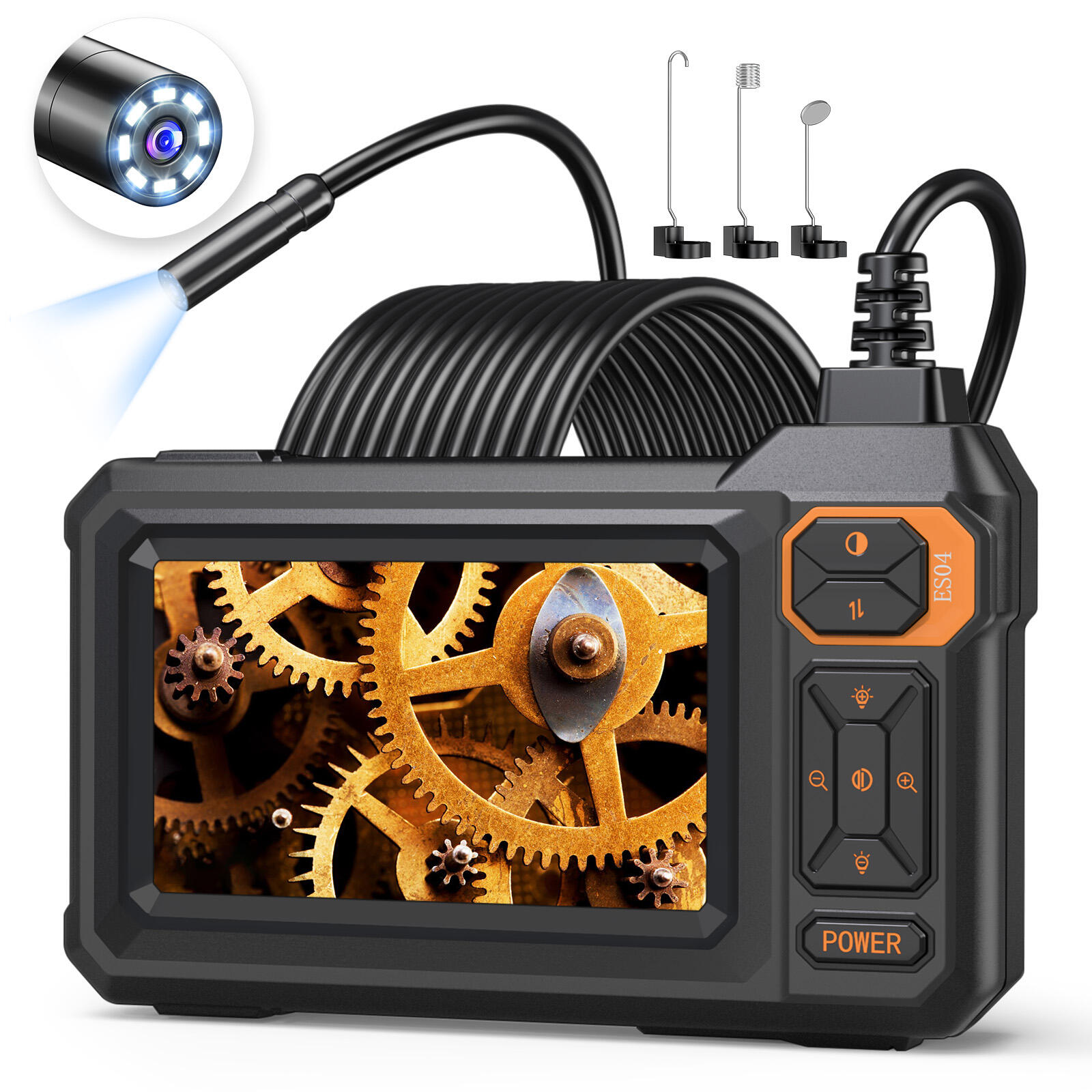
Understanding the financial implications of investing in an industrial endoscope requires careful analysis of both upfront costs and long-term returns. These sophisticated inspection tools represent a significant capital investment for businesses across manufacturing, aerospace, automotive, and energy sectors, yet the cost considerations extend far beyond the initial purchase price. A comprehensive cost guide must examine not only the equipment investment but also operational expenses, maintenance requirements, and the substantial return on investment that modern industrial endoscope technology can deliver through improved inspection efficiency and reduced downtime.
The return on investment analysis for industrial endoscope systems reveals compelling economic benefits that often justify initial expenditures within the first year of operation. Organizations implementing strategic inspection programs with advanced endoscopic equipment typically experience dramatic reductions in unplanned maintenance, faster diagnostic procedures, and enhanced quality control processes. This comprehensive cost guide explores the complete financial landscape of industrial endoscope ownership, providing decision-makers with the analytical framework necessary to evaluate total cost of ownership and quantify expected returns across various operational scenarios.
Initial Investment Considerations for Industrial Endoscope Systems
Equipment Categories and Price Ranges
Industrial endoscope pricing varies significantly based on technical specifications, imaging capabilities, and intended applications. Basic rigid borescopes suitable for simple visual inspections typically range from several hundred to a few thousand dollars, while advanced flexible video endoscopes with high-definition imaging, measurement capabilities, and specialized lighting systems can cost between ten thousand and fifty thousand dollars. Professional-grade industrial endoscope systems featuring 4K resolution, articulation capabilities, and integrated analysis software often represent investments exceeding fifty thousand dollars, particularly for specialized applications requiring extended reach or harsh environment operation.
The technical complexity of modern industrial endoscope systems directly influences pricing structures across different performance tiers. Entry-level systems provide essential inspection functionality for routine maintenance tasks, while mid-range equipment offers enhanced imaging quality and basic measurement features suitable for most industrial applications. Premium industrial endoscope platforms incorporate advanced technologies such as phase measurement, 3D imaging, and automated defect recognition capabilities that command higher prices but deliver corresponding productivity improvements and diagnostic accuracy enhancements.
Specialized industrial endoscope configurations designed for specific industry requirements often carry premium pricing due to customized features and compliance certifications. Aerospace-grade systems requiring extensive documentation and traceability features, explosion-proof units for petrochemical applications, and high-temperature resistant equipment for power generation facilities represent significant investments that reflect their specialized engineering and certification requirements. Understanding these price differentials helps organizations select appropriate equipment tiers that balance functional requirements with budget constraints.
Supporting Equipment and Accessories
The total cost of industrial endoscope ownership extends beyond the primary inspection device to include essential accessories and supporting equipment. Professional inspection programs typically require multiple probe diameters and lengths to accommodate various access requirements, with specialized probes for high-temperature, chemical-resistant, or miniature access applications adding substantial costs to the overall system investment. Advanced lighting systems, specialized mirrors and prisms for angular viewing, and protective cases for equipment transport represent additional necessary expenditures that impact total project budgets.
Documentation and analysis capabilities require additional software licenses and hardware components that contribute to overall system costs. Professional reporting software, image analysis packages, and measurement calibration tools often represent separate line items in industrial endoscope procurement. Integration with existing maintenance management systems or quality control databases may require custom software development or specialized interface hardware that adds complexity and cost to implementation projects.
Training and certification requirements for industrial endoscope operators represent significant initial investments in human capital development. Professional certification programs, specialized training courses, and ongoing competency maintenance create recurring costs that organizations must factor into their total cost calculations. The investment in proper operator training directly impacts inspection quality and equipment utilization rates, making it a critical component of successful industrial endoscope implementation programs.
Operational Cost Analysis and Ongoing Expenses
Maintenance and Calibration Requirements
Ongoing maintenance costs for industrial endoscope systems encompass regular calibration procedures, component replacement, and preventive maintenance activities that ensure continued accuracy and reliability. Professional-grade equipment typically requires annual calibration services costing several thousand dollars, depending on system complexity and certification requirements. Probe replacement represents one of the most significant recurring expenses, as these delicate components are subject to wear from repeated insertions and exposure to harsh industrial environments.
The frequency and cost of maintenance activities vary considerably based on usage intensity and operating conditions. Industrial endoscope systems employed in high-volume inspection programs or harsh environments require more frequent service intervals and component replacement compared to occasional-use equipment in controlled conditions. Establishing comprehensive maintenance agreements with equipment manufacturers or certified service providers can provide predictable cost structures while ensuring optimal performance and minimizing unplanned downtime.
Calibration and traceability requirements for regulated industries add additional layers of cost and complexity to industrial endoscope ownership. Aerospace, nuclear, and medical device manufacturing applications often mandate detailed calibration documentation and certified reference standards that increase operational expenses. Understanding these regulatory requirements during the equipment selection process helps organizations budget appropriately for ongoing compliance costs.
Training and Personnel Development
Developing and maintaining qualified industrial endoscope operators represents a significant ongoing investment that directly impacts operational costs and inspection quality. Initial certification programs typically cost several thousand dollars per operator, while maintaining current certifications requires regular refresher training and competency assessments. The complexity of modern industrial endoscope systems with advanced imaging and analysis capabilities necessitates comprehensive training programs that ensure operators can fully utilize available features.
Cross-training multiple operators provides operational flexibility while creating redundancy that prevents inspection program disruptions due to personnel unavailability. However, maintaining multiple certified operators increases training costs and requires careful scheduling to ensure all personnel maintain current certifications. Organizations must balance training investments with operational requirements to optimize both cost efficiency and inspection capability.
Advanced industrial endoscope applications requiring specialized techniques or industry-specific procedures often necessitate additional training beyond basic certification programs. Power generation, aerospace, and petrochemical applications each have unique inspection requirements that demand specialized knowledge and techniques. These advanced training programs command premium prices but are essential for maximizing the value and effectiveness of industrial endoscope investments in specialized applications.
Return on Investment Quantification Methods
Downtime Reduction and Productivity Gains
Quantifying the return on investment from industrial endoscope implementation requires careful analysis of productivity improvements and cost avoidance opportunities. Unplanned equipment failures represent substantial financial losses through production downtime, emergency repair costs, and potential safety incidents. Industrial endoscope systems enable proactive maintenance strategies that identify developing problems before they result in catastrophic failures, providing measurable cost savings that often exceed the equipment investment within the first year of operation.
The speed and efficiency of endoscopic inspections compared to traditional disassembly-based methods create significant labor cost savings and reduced inspection timeframes. Complex machinery that previously required hours or days of disassembly for internal inspection can often be evaluated in minutes using appropriate industrial endoscope equipment. These time savings translate directly to reduced maintenance costs and shorter equipment outages that minimize production impact.
Improved inspection accuracy and consistency delivered by modern industrial endoscope systems reduce the risk of missed defects and false positive findings that lead to unnecessary maintenance activities. Enhanced imaging capabilities, measurement features, and documentation tools enable more precise condition assessments that optimize maintenance decisions and extend equipment service life. These improvements create ongoing value that compounds over the equipment's useful life.
Quality Control and Compliance Benefits
Industrial endoscope systems provide substantial value through improved quality control processes that reduce defect rates, warranty claims, and customer satisfaction issues. Manufacturing operations implementing comprehensive endoscopic inspection programs typically experience significant reductions in field failures and product recalls that create measurable financial benefits. The ability to detect and correct quality issues before products reach customers provides substantial cost avoidance that justifies inspection equipment investments.
Regulatory compliance requirements in aerospace, automotive, and medical device manufacturing often mandate specific inspection procedures that industrial endoscope systems can fulfill more efficiently than alternative methods. Meeting these compliance requirements while minimizing inspection time and cost creates competitive advantages that translate to improved profitability. The documentation capabilities of modern industrial endoscope systems also streamline audit processes and reduce compliance-related administrative costs.
Insurance cost reductions represent an often-overlooked benefit of comprehensive inspection programs utilizing advanced industrial endoscope equipment. Insurance providers frequently offer premium reductions for organizations demonstrating proactive maintenance and quality control programs that reduce risk exposure. These ongoing cost savings contribute to the overall return on investment calculation and improve the financial justification for equipment purchases.
Cost-Benefit Analysis Framework
Total Cost of Ownership Modeling
Developing accurate total cost of ownership models for industrial endoscope systems requires comprehensive analysis of all direct and indirect costs over the equipment's expected service life. Direct costs include initial equipment purchase, training, accessories, maintenance, calibration, and eventual replacement or upgrade expenses. Indirect costs encompass opportunity costs from inspection downtime, potential productivity losses during operator training, and the administrative burden of maintaining inspection programs and documentation.
The time value of money significantly impacts long-term cost calculations, making it essential to consider inflation, discount rates, and alternative investment opportunities when evaluating industrial endoscope investments. Equipment with higher initial costs but lower ongoing expenses may provide superior long-term value compared to lower-priced alternatives with higher operational costs. Sensitivity analysis helps identify the most critical cost factors and their impact on overall project economics.
Residual value considerations affect total cost calculations, particularly for high-end industrial endoscope systems that retain significant value throughout their service life. Equipment with strong resale markets or trade-in programs can reduce effective ownership costs, while rapid technological obsolescence may accelerate depreciation rates. Understanding these factors helps organizations make informed decisions about equipment upgrade timing and budget planning.
Risk Assessment and Mitigation Costs
Comprehensive risk assessment must consider the potential costs of inadequate inspection capabilities alongside the investment required for appropriate industrial endoscope systems. Catastrophic equipment failures, safety incidents, and quality escapes create financial exposures that far exceed typical inspection equipment costs. Quantifying these risk exposures helps justify investments in advanced inspection capabilities that provide comprehensive coverage and early problem detection.
The insurance value of industrial endoscope systems extends beyond direct cost savings to include risk mitigation benefits that protect organizational reputation and market position. Companies experiencing significant quality or safety incidents face substantial indirect costs through regulatory fines, legal expenses, and long-term customer confidence erosion. Proactive inspection programs utilizing appropriate industrial endoscope technology provide protection against these exposures while demonstrating commitment to quality and safety.
Business continuity benefits from reliable inspection programs create additional value that supports investment justification. Organizations with comprehensive maintenance and quality control programs experience fewer disruptions and maintain more consistent operational performance. This reliability advantage translates to improved customer satisfaction, reduced expediting costs, and enhanced competitive positioning that generates ongoing financial benefits.
Implementation Strategy and Budget Planning
Phased Deployment Approaches
Strategic implementation of industrial endoscope programs often benefits from phased deployment approaches that spread costs over time while demonstrating value through early successes. Initial pilot programs targeting high-value applications or critical equipment provide opportunities to quantify benefits and refine procedures before expanding to broader organizational scope. This approach reduces initial financial commitments while building organizational confidence and expertise in endoscopic inspection techniques.
Phased deployment strategies allow organizations to match equipment capabilities with specific application requirements rather than investing in comprehensive systems that may exceed immediate needs. Starting with basic industrial endoscope equipment for routine inspections and gradually adding advanced capabilities as experience and requirements develop provides cost-effective progression while avoiding over-investment in unused features. This approach also enables organizations to spread training costs and learning curves across multiple implementation phases.
Scaling considerations become critical as industrial endoscope programs expand across multiple facilities or application areas. Standardizing equipment platforms and training programs provides economies of scale while ensuring consistent inspection quality and interchangeable operator qualifications. However, different applications may require specialized equipment features that increase complexity and cost. Balancing standardization benefits with application-specific requirements requires careful planning and coordination across organizational boundaries.
Financing Options and Budget Considerations
Various financing options exist for industrial endoscope acquisitions, each with different implications for cash flow, tax treatment, and total cost of ownership. Direct purchase provides full ownership benefits and typically lowest total costs, while leasing arrangements offer lower initial outlays and predictable monthly expenses that may better match operational budgets. Rental options provide flexibility for short-term projects or trial periods but generally result in higher costs for long-term usage.
Technology refresh considerations affect financing decisions, particularly for rapidly evolving industrial endoscope capabilities. Equipment leases that include upgrade provisions may provide access to latest technologies while avoiding obsolescence risks. However, these arrangements typically carry premium costs compared to direct ownership. Organizations must balance the desire for current technology with cost optimization objectives when structuring acquisition agreements.
Budget planning for industrial endoscope programs requires careful consideration of both capital and operational expenses across multiple budget cycles. Initial equipment purchases typically fall under capital expenditure budgets, while training, maintenance, and operational costs are generally classified as operational expenses. Coordinating these different budget categories and timing requirements ensures adequate funding availability throughout implementation and operational phases.
FAQ
What is the typical payback period for industrial endoscope investments?
Most organizations realize payback on industrial endoscope investments within 6 to 18 months through reduced maintenance costs, shortened inspection times, and prevention of catastrophic equipment failures. The exact payback period depends on usage frequency, application complexity, and the cost of alternative inspection methods. High-utilization environments with expensive equipment downtime typically achieve faster payback periods, while occasional-use applications may require 2 to 3 years for full cost recovery.
How do ongoing maintenance costs compare to the initial equipment investment?
Annual maintenance and operational costs for industrial endoscope systems typically range from 10% to 20% of the initial equipment investment, depending on usage intensity and environmental conditions. This includes calibration services, probe replacement, training updates, and routine maintenance activities. Organizations operating in harsh environments or high-volume applications should budget for maintenance costs at the higher end of this range, while controlled-environment occasional users generally experience lower ongoing expenses.
What factors most significantly impact industrial endoscope total cost of ownership?
The most significant cost factors include initial equipment selection, operator training and certification requirements, probe replacement frequency, and calibration expenses. Equipment utilization rates and operating environment conditions strongly influence ongoing costs, while application-specific requirements for specialized probes or advanced features can substantially increase both initial and operational expenses. Organizations should carefully evaluate these factors during the equipment selection process to optimize long-term cost performance.
How can organizations maximize return on investment from industrial endoscope programs?
Maximizing ROI requires strategic implementation focusing on high-value applications, comprehensive operator training, and systematic documentation of cost savings and productivity improvements. Organizations achieve best results by targeting critical equipment with high failure costs, implementing proactive inspection schedules, and utilizing advanced features for measurement and documentation. Regular program evaluation and optimization based on actual performance data helps identify opportunities for improvement and ensures continued value delivery throughout the equipment's service life.
Table of Contents
- Initial Investment Considerations for Industrial Endoscope Systems
- Operational Cost Analysis and Ongoing Expenses
- Return on Investment Quantification Methods
- Cost-Benefit Analysis Framework
- Implementation Strategy and Budget Planning
-
FAQ
- What is the typical payback period for industrial endoscope investments?
- How do ongoing maintenance costs compare to the initial equipment investment?
- What factors most significantly impact industrial endoscope total cost of ownership?
- How can organizations maximize return on investment from industrial endoscope programs?