 EN
EN

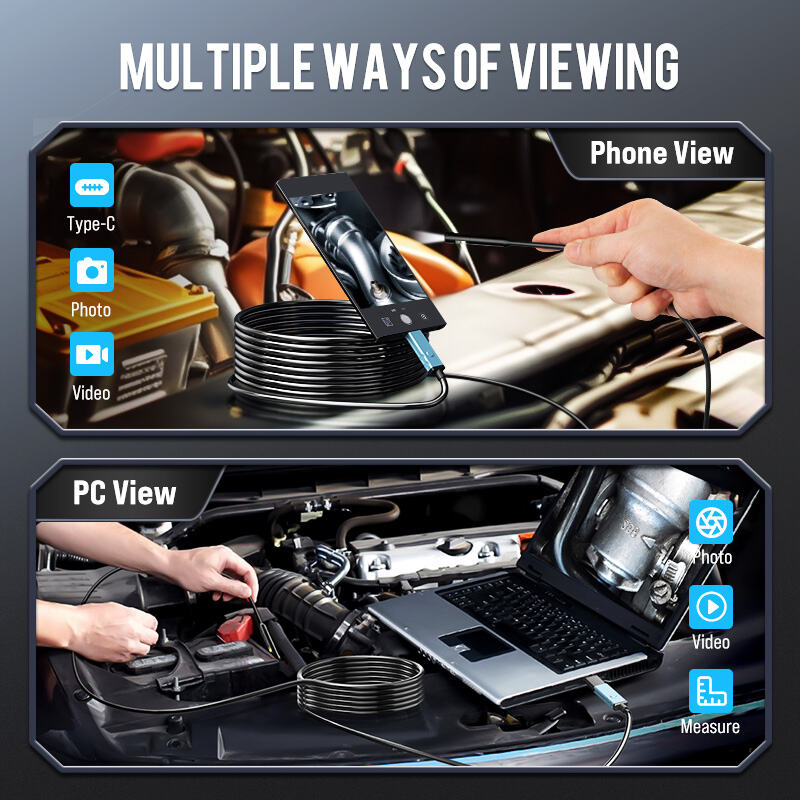
Industrial endoscope safety represents a critical aspect of modern workplace operations, particularly in manufacturing, aerospace, automotive, and oil and gas industries. When technicians and inspectors use an industrial endoscope for equipment diagnostics, component inspection, or quality control, following proper safety protocols becomes essential to prevent accidents, equipment damage, and potential health hazards. Understanding these safety fundamentals ensures both operator protection and optimal inspection results while maintaining compliance with industry safety standards.
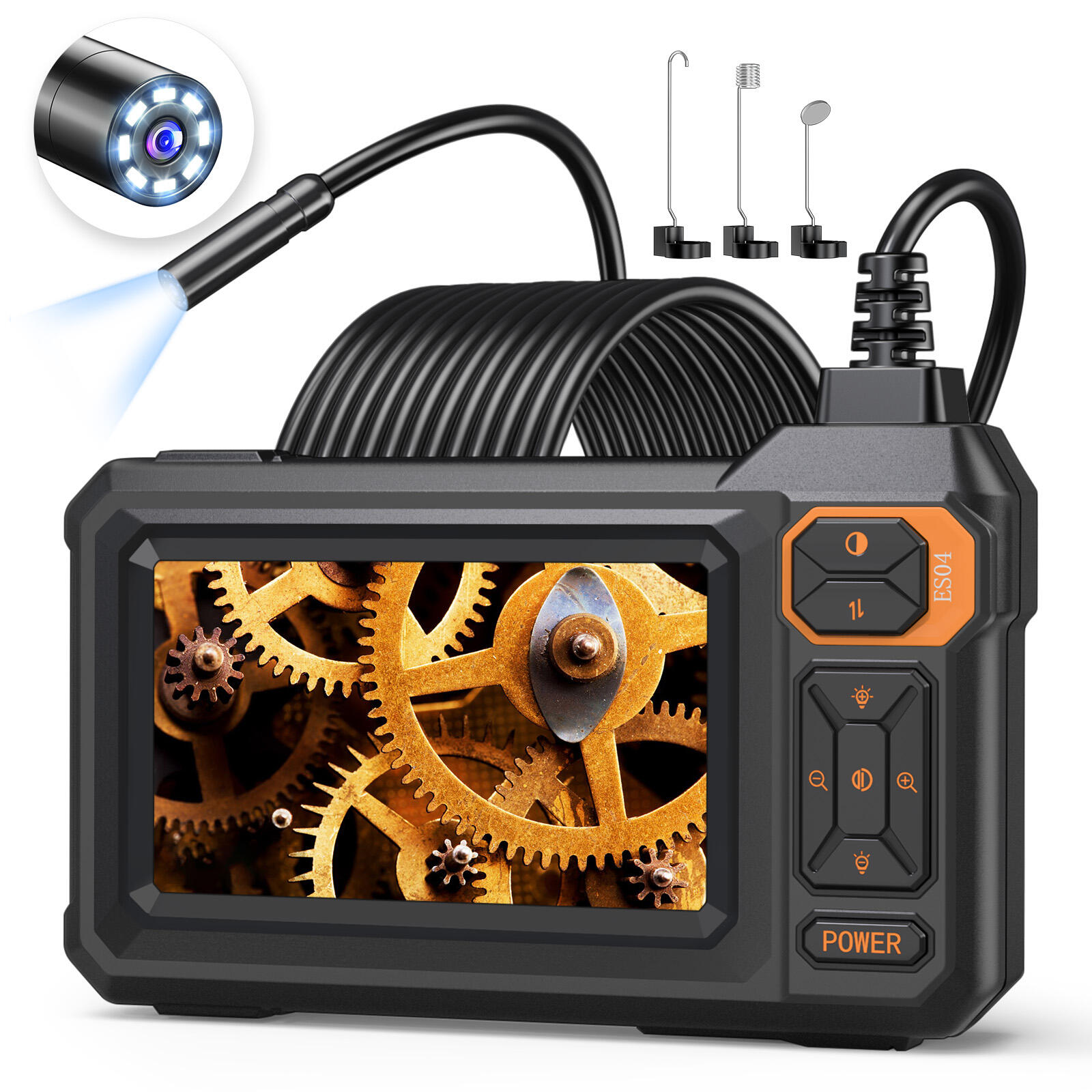
Professional industrial endoscope operation requires comprehensive safety awareness that extends beyond basic equipment handling. Modern industrial endoscope systems feature sophisticated optical components, electrical systems, and mechanical elements that demand careful attention to operational safety procedures. These five essential safety tips form the foundation of responsible industrial endoscope usage, covering pre-inspection preparation, operational safety measures, environmental hazard awareness, equipment protection protocols, and post-inspection safety procedures that protect both personnel and valuable inspection equipment.
Pre-Inspection Safety Preparation
Equipment Condition Assessment
Before operating any industrial endoscope, conducting a thorough equipment condition assessment establishes the safety foundation for the entire inspection process. Visual inspection of the insertion tube should reveal no cracks, kinks, or damaged sections that could compromise structural integrity during operation. The flexible shaft of an industrial endoscope must maintain proper flexibility without excessive stiffness or unusual soft spots that indicate internal damage. Control head connections require verification to ensure secure attachment and proper electrical continuity.
Cable integrity represents another crucial safety checkpoint when preparing an industrial endoscope for operation. Damaged cables can create electrical hazards, especially in industrial environments where moisture, chemicals, or conductive materials may be present. Power supply connections must be inspected for corrosion, loose contacts, or damaged insulation that could result in electrical faults during operation. LED lighting systems within the industrial endoscope should be tested to confirm proper illumination levels and consistent light distribution.
Personal Protective Equipment Verification
Appropriate personal protective equipment selection depends on the specific industrial environment where the industrial endoscope will be used. Safety glasses with side shields protect against debris or chemical splashes that may occur during inspection access preparation. Chemical-resistant gloves provide hand protection when working with industrial solvents, cleaning agents, or potentially corrosive substances encountered during equipment inspection. Hard hats become necessary in overhead inspection scenarios where falling objects or head impacts present risks.
Respiratory protection may be required when using an industrial endoscope in environments containing airborne contaminants, dust, or chemical vapors. Proper ventilation assessment helps determine whether standard air filtration masks suffice or if more advanced respiratory protection becomes necessary. Steel-toed boots provide foot protection in industrial settings where heavy components or tools create crush hazards. High-visibility clothing enhances operator safety in active industrial facilities where vehicle traffic or moving equipment operates nearby.
Operational Safety Protocols
Insertion Technique and Force Limitations
Proper insertion technique when using an industrial endoscope prevents both equipment damage and potential safety hazards from forced advancement through restricted passages. The insertion tube should advance smoothly without excessive resistance, and operators must recognize when obstruction indicates the need for alternative access routes or inspection angles. Forcing an industrial endoscope through tight spaces can damage the optical fiber bundle, compromise sealing integrity, or create sharp metal fragments that pose injury risks.
Bend radius limitations for the insertion tube must be strictly observed to maintain optical performance and prevent structural damage. Most industrial endoscope models specify minimum bend radii that, when exceeded, can cause permanent damage to internal optical components or compromise the protective outer sheath. Gentle steering control prevents sudden directional changes that could stress the articulation mechanism or damage delicate internal components. Understanding the mechanical limitations of each specific industrial endoscope model ensures safe operation within design parameters.
Electrical Safety Considerations
Electrical safety during industrial endoscope operation requires constant awareness of power requirements, grounding procedures, and potential electrical hazards in the inspection environment. Ground fault circuit interrupters should be used whenever possible to prevent electrical shock hazards, particularly in damp or wet inspection environments. Power supply voltage must match the industrial endoscope specifications exactly to prevent equipment damage or create fire hazards from electrical overload conditions.
Extension cord selection becomes critical when industrial endoscope operation requires power sources distant from the inspection location. Heavy-duty, grounded extension cords rated for the electrical load prevent voltage drops that could affect LED performance or create heating hazards. Electrical connections should remain elevated above floor level to prevent contact with spilled fluids or standing water that could create electrocution risks. Regular inspection of electrical components ensures continued safe operation and identifies potential hazards before they create dangerous conditions.
Environmental Hazard Management
Chemical Exposure Protection
Chemical exposure protection during industrial endoscope inspections requires understanding both the immediate inspection environment and potential chemical residues within the equipment being examined. Many industrial systems contain residual chemicals, oils, or cleaning solvents that could contact the industrial endoscope insertion tube or create vapor hazards for operators. Material safety data sheets for chemicals present in the inspection area help determine appropriate protective measures and emergency response procedures.
Decontamination procedures become essential when an industrial endoscope contacts chemical substances during inspection operations. Proper cleaning protocols remove chemical residues that could cause skin irritation, respiratory problems, or equipment corrosion during subsequent use. Chemical-resistant insertion tube materials in modern industrial endoscope designs provide some protection, but proper decontamination remains necessary to prevent cross-contamination between inspection sites or accumulation of hazardous substances on equipment surfaces.
Temperature and Pressure Considerations
Temperature limitations for industrial endoscope operation must be carefully observed to prevent equipment damage and ensure operator safety. Extreme heat can damage optical components, compromise sealing materials, or create thermal expansion that affects mechanical tolerances within the insertion tube. Cold temperatures may make materials brittle or affect LCD display performance, requiring equipment warming procedures before operation in extremely cold environments.
Pressure differentials during industrial endoscope inspections of pressurized systems create significant safety hazards that require specialized procedures and safety equipment. Pressure relief procedures must be completed before insertion tube entry into any pressurized vessel or system. Rapid pressure changes can damage sealing components or create dangerous projectile hazards if equipment becomes dislodged from inspection openings. Pressure monitoring during inspection ensures safe operating conditions throughout the entire procedure.
Equipment Protection and Handling Safety
Proper Storage and Transportation
Safe storage procedures for an industrial endoscope protect both the equipment investment and ensure reliable operation when safety-critical inspections are required. Storage cases should provide adequate cushioning to prevent shock damage during transportation while maintaining proper organization for cables, accessories, and documentation. Temperature-controlled storage environments prevent condensation formation that could damage electronic components or promote corrosion of metal elements within the industrial endoscope system.
Transportation safety requires secure mounting systems that prevent equipment movement during vehicle transport. Loose industrial endoscope components can become dangerous projectiles during sudden stops or accidents, creating injury risks for passengers and equipment damage. Proper securing methods use appropriate restraint systems designed for sensitive electronic equipment rather than simple rope or bungee cord arrangements that may not provide adequate protection during transport vibrations or impacts.
Maintenance Safety Protocols
Regular maintenance procedures for an industrial endoscope require specific safety protocols to prevent injury during cleaning, calibration, or repair operations. Electrical disconnect procedures must be followed before any maintenance activities to prevent shock hazards or accidental equipment activation. Cleaning solutions used for industrial endoscope maintenance should be compatible with all equipment materials and used in well-ventilated areas to prevent inhalation of harmful vapors.
Optical cleaning procedures require special care to prevent damage to expensive lens systems while ensuring proper hygiene standards for equipment used in multiple industrial environments. Contaminated optical surfaces can harbor bacteria, chemicals, or other hazardous substances that could transfer between inspection sites. Proper cleaning and disinfection protocols eliminate these risks while maintaining optimal optical performance for reliable inspection results.
Emergency Response and Incident Prevention
Equipment Failure Response Procedures
Equipment failure during industrial endoscope operation can create immediate safety hazards that require prompt and appropriate response procedures. Insertion tube separation or damage while inside equipment creates retrieval challenges that must be addressed safely to prevent further equipment damage or create additional safety hazards. Emergency shutdown procedures should be immediately implemented to secure the inspection area and prevent personnel from attempting unsafe retrieval methods.
Electrical failures in an industrial endoscope system require immediate power disconnection and area evacuation if fire or electrical hazards develop. Smoke or unusual odors from electronic components indicate potential fire hazards that demand emergency response activation. Backup communication systems ensure emergency response teams can be contacted even if primary communication systems are affected by the equipment failure or associated electrical problems.
Contamination and Exposure Response
Chemical contamination incidents during industrial endoscope operations require immediate response procedures to minimize exposure risks and prevent spread of hazardous substances. Emergency eyewash stations and safety showers must be readily accessible when chemical exposure risks exist during inspection operations. Contaminated clothing should be removed immediately and affected personnel moved to fresh air environments while emergency medical assistance is obtained if necessary.
Documentation of exposure incidents helps identify safety procedure improvements and ensures proper medical follow-up for affected personnel. Incident reporting procedures should include detailed information about the industrial endoscope operation, environmental conditions, and specific substances involved in the exposure. This documentation supports both immediate medical treatment decisions and long-term safety program improvements to prevent similar incidents in future inspection operations.
FAQ
What personal protective equipment is required when operating an industrial endoscope?
The required personal protective equipment depends on the specific industrial environment and inspection conditions. Standard requirements typically include safety glasses with side shields, chemical-resistant gloves, and appropriate work clothing. Additional protection such as hard hats, steel-toed boots, respiratory protection, or chemical-resistant suits may be necessary based on environmental hazards present during the inspection. Always consult facility safety procedures and material safety data sheets to determine appropriate protective equipment for specific inspection conditions.
How should I respond if my industrial endoscope gets stuck during an inspection?
Never force or pull aggressively on an industrial endoscope that becomes stuck during operation. First, stop all advancement and assess the situation to determine the cause of the obstruction. Try gentle rotation or slight retraction to free the insertion tube, but avoid excessive force that could damage the equipment or create safety hazards. If the endoscope remains stuck, implement emergency shutdown procedures for the equipment being inspected and contact qualified technicians for safe retrieval assistance.
What are the most common safety hazards associated with industrial endoscope operation?
The most common safety hazards include electrical shock from damaged cables or improper grounding, chemical exposure from residual substances in equipment being inspected, physical injury from sharp edges or pinch points during access preparation, and eye strain or injury from improper lighting conditions. Additionally, insertion tube damage can create sharp metal fragments, and improper handling can result in equipment falling and causing injury. Following proper safety protocols and using appropriate protective equipment significantly reduces these risks.
How often should industrial endoscope safety equipment be inspected?
Industrial endoscope safety equipment should be inspected before each use to identify any damage, wear, or deterioration that could compromise safety. Comprehensive safety inspections should be performed monthly or according to manufacturer recommendations, including detailed examination of electrical components, cable integrity, optical systems, and mechanical elements. Annual calibration and professional inspection by qualified technicians ensures continued safe operation and compliance with industry safety standards. Document all inspections to maintain safety compliance records and track equipment condition over time.
Table of Contents
- Pre-Inspection Safety Preparation
- Operational Safety Protocols
- Environmental Hazard Management
- Equipment Protection and Handling Safety
- Emergency Response and Incident Prevention
-
FAQ
- What personal protective equipment is required when operating an industrial endoscope?
- How should I respond if my industrial endoscope gets stuck during an inspection?
- What are the most common safety hazards associated with industrial endoscope operation?
- How often should industrial endoscope safety equipment be inspected?