 EN
EN

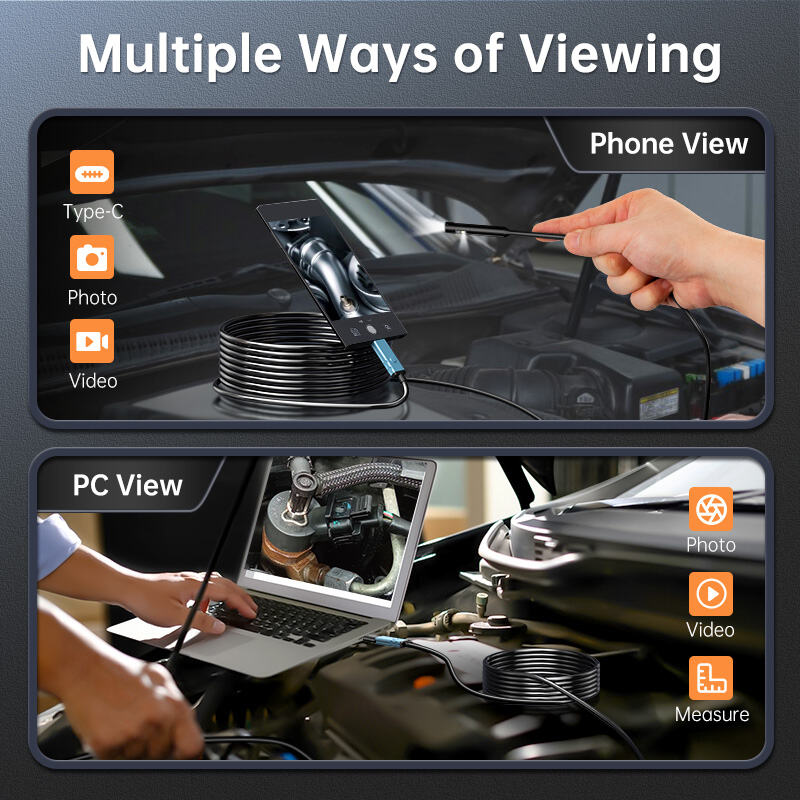
Selecting the right endoscope camera in 2025 requires understanding the latest technological advances, performance specifications, and application-specific requirements that distinguish superior models from basic inspection tools. Professional buyers face an increasingly complex marketplace where image quality, durability, connectivity options, and specialized features determine long-term value and operational effectiveness across diverse industrial applications.
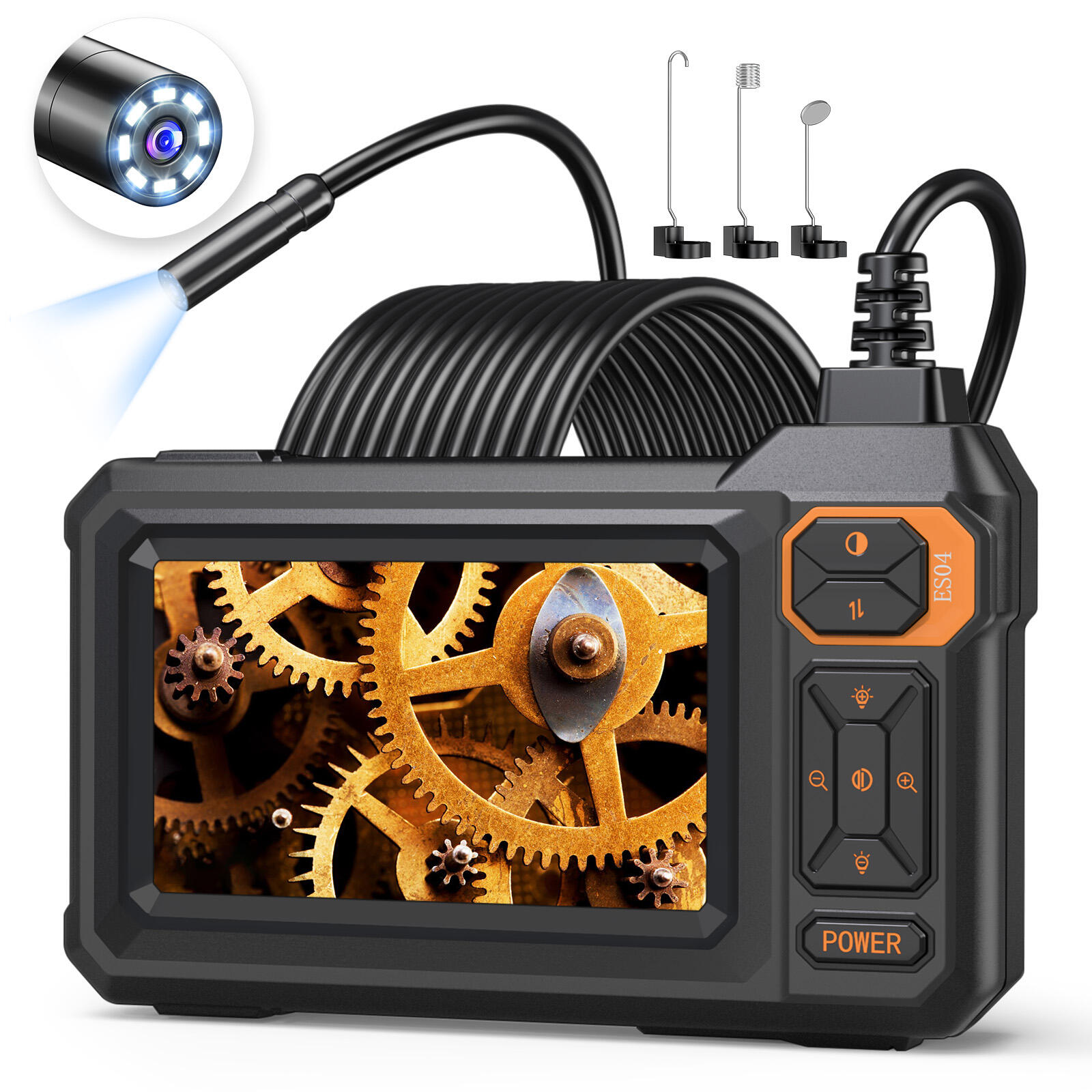
Modern endoscope camera systems have evolved beyond simple visual inspection devices to become sophisticated diagnostic instruments that integrate high-definition imaging, wireless transmission, advanced lighting systems, and intelligent analysis capabilities. The 2025 landscape presents buyers with enhanced sensor technologies, improved environmental protection ratings, and expanded compatibility options that significantly impact both immediate functionality and long-term operational costs.
Critical Performance Specifications for 2025 Endoscope Cameras
Image Resolution and Sensor Technology
Premium endoscope camera models in 2025 feature sensor resolutions ranging from 1920x1080 Full HD to 4K ultra-high-definition capabilities that deliver exceptional detail clarity for critical inspection tasks. Advanced CMOS sensors provide superior low-light performance compared to older CCD technology, enabling effective operation in challenging lighting conditions without compromising image quality or introducing excessive noise artifacts.
Professional-grade endoscope camera systems incorporate sophisticated image processing algorithms that enhance contrast, reduce motion blur, and optimize color reproduction across varying ambient light conditions. These processing capabilities prove essential when documenting inspection findings, analyzing component conditions, or sharing visual evidence with technical teams and stakeholders.
Environmental Protection and Durability Standards
Industrial endoscope camera applications demand robust environmental protection that exceeds standard IP65 ratings, with leading 2025 models achieving IP67 or IP68 waterproof classifications for submersible operation and extended exposure to harsh environmental conditions. These protection standards ensure reliable performance in automotive, aerospace, marine, and manufacturing environments where moisture, dust, and chemical exposure present constant operational challenges.
Temperature resistance specifications have expanded significantly, with top-tier endoscope camera models operating effectively across temperature ranges from -20°C to 80°C while maintaining image quality and mechanical functionality. Advanced cable materials and sealed connector designs prevent environmental contamination and extend service life in demanding industrial applications.
Advanced Connectivity and Data Management Features
Wireless Transmission Capabilities
Cutting-edge endoscope camera designs integrate WiFi and Bluetooth connectivity options that enable real-time image streaming to smartphones, tablets, and desktop computers without requiring dedicated display units or proprietary software installations. These wireless capabilities transform inspection workflows by allowing multiple observers to view live feeds simultaneously and facilitating immediate documentation and reporting processes.
Professional wireless endoscope camera systems support encrypted transmission protocols that protect sensitive inspection data during transmission and storage, addressing cybersecurity concerns in industrial and defense applications. Advanced models include dedicated mobile applications that provide recording controls, image enhancement tools, and direct cloud storage integration for seamless data management workflows.
Storage and Documentation Options
Modern endoscope camera systems incorporate multiple storage solutions including onboard memory, removable SD card support, and direct cloud synchronization capabilities that accommodate diverse documentation requirements and data retention policies. High-capacity storage options enable extended recording sessions without interruption while ensuring inspection data remains accessible for future analysis and compliance verification.
Professional documentation features include automated timestamp recording, GPS location tagging, and customizable annotation tools that streamline report generation and regulatory compliance processes. These capabilities prove particularly valuable for quality assurance applications where detailed inspection records support traceability requirements and continuous improvement initiatives.
Specialized Application Considerations
Automotive Diagnostic Applications
Automotive service applications require endoscope camera systems with flexible insertion tubes ranging from 5.5mm to 9.0mm diameter, depending on access requirements for engine diagnostics, transmission inspection, and cooling system analysis. Specialized automotive endoscope camera models feature enhanced chemical resistance to withstand exposure to motor oils, coolants, and cleaning solvents commonly encountered in service environments.
Professional automotive diagnostics demand endoscope camera systems with articulating tips that provide 360-degree viewing capabilities within confined spaces, enabling comprehensive component inspection without requiring extensive disassembly procedures. Advanced lighting systems with adjustable intensity levels ensure optimal visibility across varying reflective surfaces and material compositions found in modern vehicle systems.
Industrial Maintenance and Quality Control
Manufacturing and maintenance applications benefit from endoscope camera systems with extended cable lengths ranging from 1 meter to 10 meters, providing access to deep installations within machinery, pipelines, and structural assemblies. Industrial-grade models incorporate reinforced cable construction that resists kinking, crushing, and chemical degradation while maintaining image transmission quality over extended service periods.
Quality control applications require endoscope camera systems with precise measurement capabilities, including built-in rulers, diameter estimation tools, and dimensional analysis software that support accurate defect documentation and component verification processes. These measurement features integrate with inspection management software to create comprehensive quality assurance databases that track component conditions over time.
Technology Integration and Future-Proofing
Artificial Intelligence and Analysis Tools
Leading 2025 endoscope camera models integrate artificial intelligence algorithms that automatically detect common defects, estimate defect severity levels, and generate preliminary inspection reports that reduce analysis time and improve consistency across multiple operators. These AI capabilities prove particularly valuable for high-volume inspection applications where manual analysis becomes time-prohibitive.
Machine learning integration enables endoscope camera systems to develop application-specific defect libraries that improve detection accuracy over time while adapting to unique operational environments and inspection criteria. Advanced models support custom training protocols that allow organizations to develop proprietary analysis algorithms tailored to specific component types and quality standards.
Software Compatibility and Integration
Professional endoscope camera systems support integration with enterprise asset management software, computerized maintenance management systems, and quality management platforms through standardized API protocols and data export formats. These integration capabilities ensure inspection data flows seamlessly into existing operational workflows without requiring manual data transfer or format conversion procedures.
Cross-platform compatibility ensures endoscope camera systems operate effectively across Windows, macOS, Android, and iOS environments while maintaining consistent functionality and user interface designs. Advanced models include software development kits that enable custom application development for specialized workflow requirements and unique operational constraints.
Budget Considerations and Total Cost Analysis
Initial Investment vs Long-term Value
Professional endoscope camera systems represent significant capital investments that require careful analysis of acquisition costs, operational expenses, and expected service life to determine total cost of ownership across multi-year operational periods. Premium models with advanced features and robust construction typically justify higher initial costs through extended service life, reduced maintenance requirements, and superior performance reliability.
Budget-conscious buyers should prioritize essential specifications that directly impact operational effectiveness while avoiding unnecessary features that increase acquisition costs without providing proportional value improvements. Critical evaluation criteria include image quality requirements, environmental protection needs, connectivity preferences, and expected usage frequency patterns that influence long-term value propositions.
Maintenance and Support Considerations
Comprehensive warranty coverage and technical support services significantly impact total ownership costs, particularly for organizations that rely on endoscope camera systems for critical inspection applications where downtime creates operational disruptions. Leading manufacturers provide extended warranty options, on-site service programs, and expedited replacement services that minimize operational interruptions.
Professional endoscope camera systems benefit from manufacturer-provided training programs that ensure operators understand advanced features, proper handling procedures, and maintenance requirements that extend equipment service life while optimizing performance capabilities. These training investments typically generate positive returns through improved operational efficiency and reduced equipment damage incidents.
FAQ
What image resolution should I prioritize when selecting an endoscope camera for professional applications?
Professional applications typically benefit from 1920x1080 Full HD resolution as the minimum standard, with 4K capabilities preferred for critical inspection tasks requiring detailed documentation and analysis. Higher resolution endoscope camera systems provide superior zoom capabilities and clearer defect identification but may require increased storage capacity and processing power for optimal performance.
How important is IP67 waterproof rating compared to standard IP65 protection for industrial endoscope cameras?
IP67 waterproof protection provides significant advantages over IP65 dust and splash resistance, particularly for applications involving submersion, high-pressure washing, or extended exposure to moisture and chemicals. Industrial endoscope camera systems with IP67 ratings demonstrate superior long-term reliability and reduced maintenance requirements in challenging environmental conditions.
Can wireless endoscope cameras maintain image quality comparable to wired connections?
Modern wireless endoscope camera systems achieve image quality that matches wired connections when operating within optimal transmission ranges and environmental conditions. Advanced compression algorithms and high-bandwidth wireless protocols ensure minimal quality loss while providing superior operational flexibility and multi-device connectivity options that enhance workflow efficiency.
What cable length specifications should I consider for different application types?
Automotive applications typically require 1-3 meter cables for engine and transmission access, while industrial maintenance may demand 5-10 meter lengths for deep pipeline and machinery inspection. Longer endoscope camera cables provide greater operational flexibility but may compromise image transmission quality and mechanical handling characteristics, requiring careful balance between reach and performance requirements.
Table of Contents
- Critical Performance Specifications for 2025 Endoscope Cameras
- Advanced Connectivity and Data Management Features
- Specialized Application Considerations
- Technology Integration and Future-Proofing
- Budget Considerations and Total Cost Analysis
-
FAQ
- What image resolution should I prioritize when selecting an endoscope camera for professional applications?
- How important is IP67 waterproof rating compared to standard IP65 protection for industrial endoscope cameras?
- Can wireless endoscope cameras maintain image quality comparable to wired connections?
- What cable length specifications should I consider for different application types?