 EN
EN

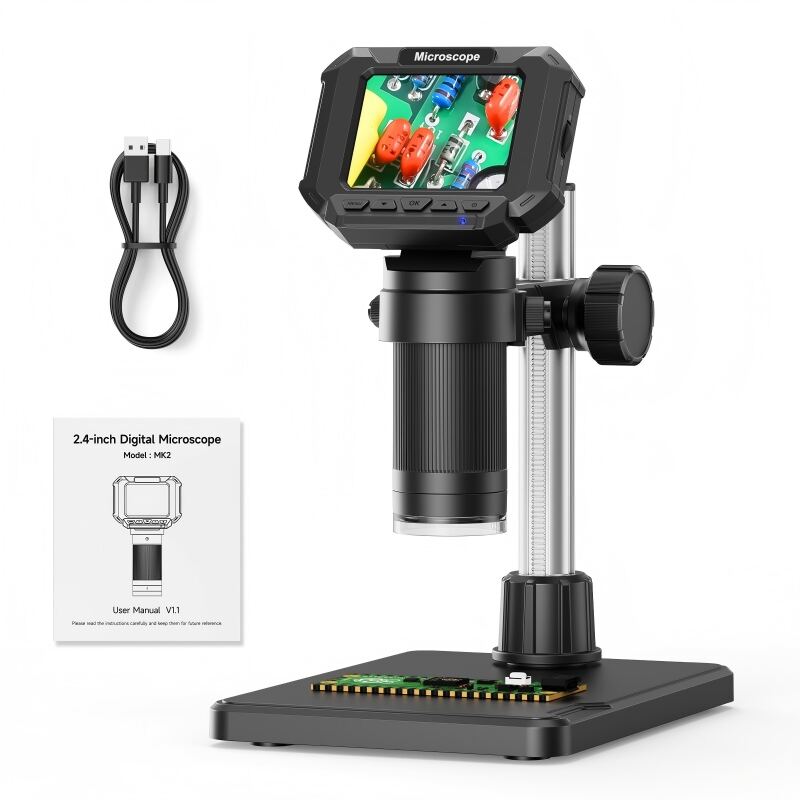
Selecting the right digital microscope camera requires understanding which features directly impact your imaging quality, workflow efficiency, and long-term research or inspection goals. Unlike traditional optical microscopes that rely solely on eyepiece observation, a digital microscope camera transforms your microscopy setup into a comprehensive imaging system capable of real-time viewing, precise documentation, and collaborative analysis across multiple platforms.
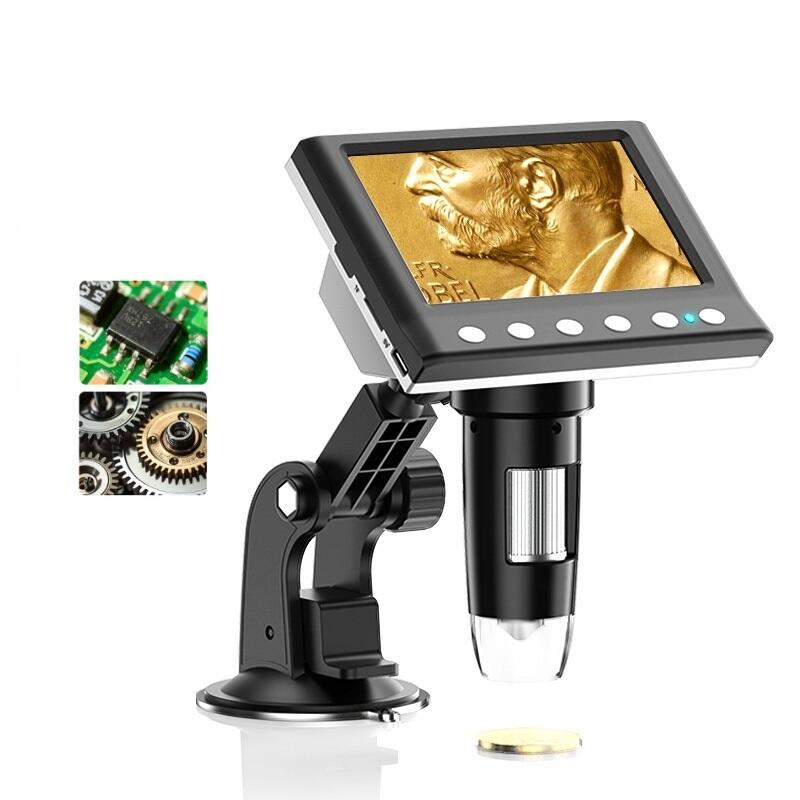
Modern digital microscope camera systems integrate advanced sensor technology, sophisticated optics, and intuitive software interfaces to deliver professional-grade imaging capabilities. Whether you're conducting biological research, performing quality control inspections, or engaging in educational demonstrations, understanding the essential features ensures you select a system that enhances rather than limits your microscopy applications while providing consistent, reproducible results across diverse imaging scenarios.
Image Sensor Technology and Resolution Specifications
Sensor Type and Performance Characteristics
The foundation of any effective digital microscope camera lies in its image sensor technology, which directly influences image quality, color accuracy, and low-light performance. CMOS sensors dominate the current market due to their excellent balance of sensitivity, speed, and power efficiency compared to older CCD alternatives. High-quality digital microscope camera systems utilize backside-illuminated CMOS sensors that maximize light collection efficiency, resulting in superior image clarity even under challenging illumination conditions.
Sensor size plays a crucial role in determining field of view and light-gathering capability. Larger sensors capture more light and provide better signal-to-noise ratios, which translates to cleaner images with reduced digital noise, particularly important when working with delicate specimens or low-contrast samples. Professional-grade digital microscope camera models typically feature sensors ranging from 1/2.3 inch to full-frame formats, with each size offering distinct advantages for specific applications and magnification requirements.
Resolution Requirements for Professional Applications
Resolution specifications determine the level of detail your digital microscope camera can capture and reproduce in final images or videos. While higher megapixel counts often seem attractive, the practical resolution requirements depend heavily on your intended applications, magnification levels, and output requirements. For routine inspection work, 2-5 megapixel cameras provide sufficient detail, while research applications requiring fine structural analysis may benefit from 8-12 megapixel or higher resolution systems.
Effective resolution also depends on optical quality throughout the entire imaging chain, including objective lenses, tube lenses, and any intermediate optical components. A digital microscope camera with exceptional sensor specifications can only deliver superior results when paired with high-quality optics that minimize aberrations, distortions, and light loss. Understanding this relationship helps ensure your camera selection aligns with your existing optical infrastructure and performance expectations.
Optical Interface and Mounting Compatibility
C-Mount and CS-Mount Standards
The optical interface between your digital microscope camera and microscope body significantly impacts image quality, installation flexibility, and system compatibility. C-mount interfaces represent the most common standard, featuring a 1-inch diameter threaded connection with 32 threads per inch and a 17.526mm flange distance. This standardized mounting system ensures broad compatibility across manufacturers while providing secure, repeatable connections that maintain optical alignment during extended use periods.
CS-mount interfaces offer similar threaded specifications but with a reduced 12.5mm flange distance, making them suitable for compact camera designs and specific optical configurations. Many digital microscope camera systems include adapter rings or adjustable mounting mechanisms to accommodate both C-mount and CS-mount configurations, providing installation flexibility across diverse microscope platforms and user requirements.
Parfocal Distance and Optical Alignment
Parfocal distance maintenance ensures consistent focus across different objective lenses without requiring significant refocusing when switching magnifications. Quality digital microscope camera systems account for parfocal requirements through precise mechanical design and optical path calculations. Proper parfocal alignment reduces setup time, minimizes specimen disturbance, and enables seamless transitions between different magnification levels during examination sequences.
Optical alignment accuracy directly affects image sharpness, field flatness, and chromatic aberration control throughout the entire field of view. Premium digital microscope camera designs incorporate precision-machined mounting interfaces and internal optical elements that maintain strict alignment tolerances, ensuring consistent image quality from center to edge regions while minimizing geometric distortions that could compromise measurement accuracy or analytical reliability.
Connectivity and Data Transfer Capabilities
USB Interface Standards and Performance
Modern digital microscope camera systems rely heavily on USB connectivity for both power delivery and high-speed data transfer, making USB interface specifications critical for overall system performance. USB 3.0 and newer standards provide sufficient bandwidth for real-time high-resolution imaging while maintaining stable connections during extended imaging sessions. USB 3.0 offers theoretical transfer rates up to 5 Gbps, enabling smooth live preview at full resolution without significant latency or frame drops.
USB-C connections are becoming increasingly popular due to their reversible design, improved power delivery capabilities, and future-proof compatibility with emerging computer platforms. Many professional digital microscope camera models now feature USB-C interfaces that support both data transfer and power requirements through a single cable connection, simplifying setup procedures and reducing cable management complexity in laboratory environments where workspace organization matters significantly.
Wireless and Network Connectivity Options
Wireless connectivity features enable remote operation, collaborative viewing, and flexible installation scenarios that traditional wired connections cannot accommodate effectively. Wi-Fi enabled digital microscope camera systems allow multiple users to view live images simultaneously on different devices, facilitating educational demonstrations, remote consultations, and collaborative research activities without physical proximity requirements to the microscope station.
Network integration capabilities support advanced features like cloud storage, remote monitoring, and automated image capture sequences that enhance productivity in research and industrial environments. Some digital microscope camera models include Ethernet ports for stable wired network connections, providing reliable data transfer for time-lapse studies, automated quality control processes, and integrated laboratory information management systems that require consistent connectivity performance.
Software Integration and Control Features
Native Software Capabilities
Comprehensive software packages significantly enhance the practical utility of digital microscope camera systems by providing intuitive controls, advanced imaging features, and professional documentation capabilities. Native software typically includes essential functions like live preview, image capture, video recording, and basic measurement tools, while advanced packages offer features such as focus stacking, extended dynamic range imaging, and automated exposure optimization for challenging specimens.
Professional-grade software suites integrate calibration tools, annotation capabilities, and database management features that streamline documentation workflows and ensure traceability in regulated environments. Quality digital microscope camera software provides customizable user interfaces, hotkey assignments, and workflow automation that adapt to specific user preferences and application requirements while maintaining compatibility with industry-standard file formats and metadata standards.
Third-Party Software Compatibility
Broad compatibility with third-party imaging software expands the analytical capabilities of digital microscope camera systems beyond manufacturer-provided applications. Support for DirectShow, TWAIN, and Video for Windows standards ensures integration with popular imaging platforms like ImageJ, Fiji, and commercial analysis packages used in research institutions and industrial laboratories worldwide.
SDK availability and programming interface documentation enable custom software development for specialized applications that require unique functionality or integration with existing laboratory automation systems. Open-source driver support and cross-platform compatibility ensure long-term software accessibility and reduce dependencies on specific operating systems or proprietary software platforms that may become obsolete over time.
Performance Specifications and Environmental Considerations
Frame Rate and Real-Time Imaging
Frame rate capabilities determine the smoothness of live preview display and the temporal resolution available for dynamic specimen observation or time-lapse imaging applications. Professional digital microscope camera systems typically offer variable frame rates that adapt automatically to lighting conditions, resolution settings, and exposure requirements while maintaining optimal image quality throughout different operating scenarios.
High-speed imaging capabilities enable capture of rapid processes, motion analysis, and temporal studies that require precise timing control and consistent frame intervals. Advanced digital microscope camera models provide external triggering options, precise timestamp recording, and synchronization capabilities that support complex experimental protocols requiring coordination with other laboratory instruments or environmental control systems.
Operating Environment and Durability
Environmental specifications define the operating conditions under which digital microscope camera systems maintain reliable performance and accurate imaging results. Industrial-grade cameras typically operate across temperature ranges from 0°C to 45°C with humidity tolerance up to 80% relative humidity, ensuring consistent performance in typical laboratory environments while accommodating seasonal variations and HVAC fluctuations.
Vibration resistance and mechanical stability features protect sensitive internal components from external disturbances that could affect image quality or long-term reliability. Quality digital microscope camera designs incorporate shock-resistant mounting systems, thermally stable optical assemblies, and robust electronic components that maintain calibration accuracy and performance consistency throughout extended operational periods in demanding research or industrial environments.
FAQ
What resolution is needed for professional digital microscope camera applications?
Professional applications typically require 5-12 megapixel resolution depending on your specific needs. For routine quality control and basic documentation, 5-8 megapixels provide sufficient detail. Research applications requiring fine structural analysis or precise measurements benefit from 8-12 megapixel cameras. Higher resolutions mainly help when you need to crop images significantly or capture extremely fine details for publication-quality documentation.
How important is USB 3.0 connectivity for digital microscope camera performance?
USB 3.0 connectivity is essential for real-time high-resolution imaging without latency issues. USB 2.0 connections often result in reduced frame rates or compressed image quality during live preview, particularly at higher resolutions. USB 3.0 provides the bandwidth necessary for smooth operation while supporting advanced features like high-speed video recording and rapid image capture sequences without performance compromises.
Can digital microscope cameras work with existing optical microscopes?
Yes, most digital microscope cameras are designed to integrate with existing optical microscopes through standard mounting interfaces like C-mount or trinocular ports. However, compatibility depends on your microscope's optical design, mounting options, and parfocal requirements. Some older microscopes may require adapter rings or modifications to achieve optimal performance and maintain proper optical alignment with modern digital camera systems.
What software features are most important for professional digital microscope camera use?
Essential software features include calibrated measurement tools, image annotation capabilities, automated exposure control, and support for standard file formats. Professional users also benefit from focus stacking capabilities, time-lapse recording, database integration, and compatibility with third-party analysis software. The ability to customize user interfaces and create automated workflows significantly enhances productivity in research and industrial applications.
Table of Contents
- Image Sensor Technology and Resolution Specifications
- Optical Interface and Mounting Compatibility
- Connectivity and Data Transfer Capabilities
- Software Integration and Control Features
- Performance Specifications and Environmental Considerations
-
FAQ
- What resolution is needed for professional digital microscope camera applications?
- How important is USB 3.0 connectivity for digital microscope camera performance?
- Can digital microscope cameras work with existing optical microscopes?
- What software features are most important for professional digital microscope camera use?