 EN
EN

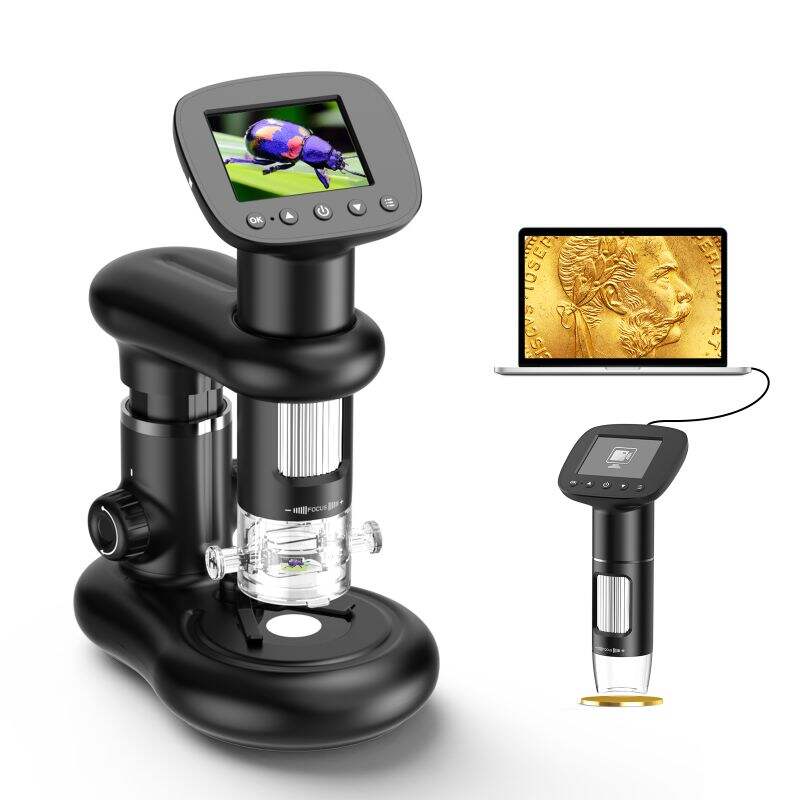
Laboratory research demands precision, clarity, and reliable documentation capabilities that only the best digital microscope camera systems can provide. Modern research facilities require imaging solutions that seamlessly integrate with existing microscopy setups while delivering exceptional resolution, color accuracy, and data management features essential for scientific documentation and analysis.
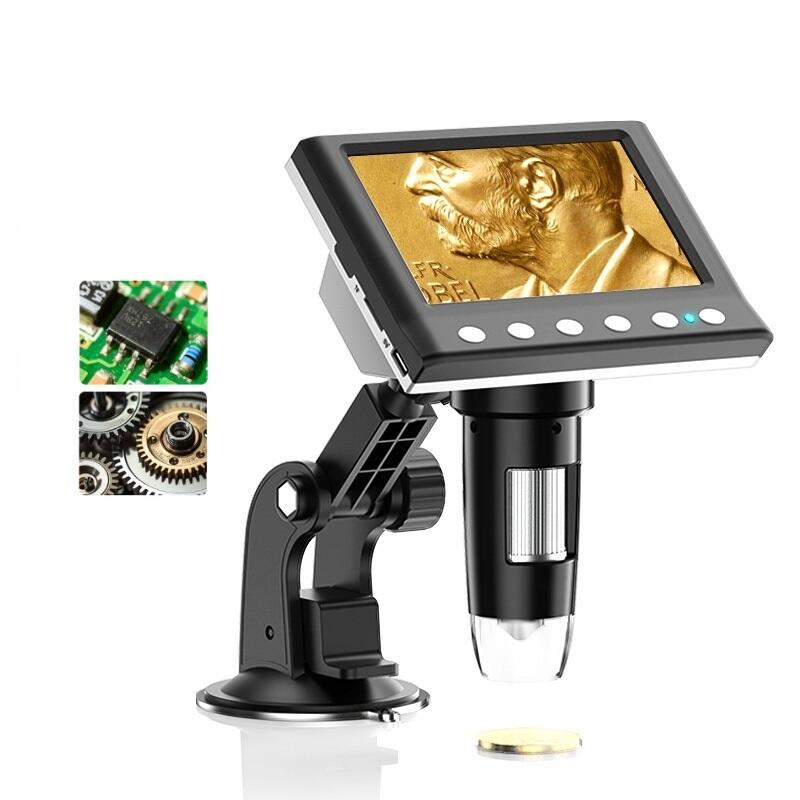
Selecting the right digital microscope camera for laboratory applications involves evaluating multiple critical factors including sensor technology, resolution capabilities, connectivity options, and software compatibility. This comprehensive guide examines five outstanding digital microscope camera solutions that excel in laboratory research environments, providing the imaging performance and reliability that scientific work demands.
Essential Features for Laboratory Digital Microscope Cameras
Sensor Technology and Image Quality
The foundation of any exceptional digital microscope camera lies in its sensor technology. CMOS sensors have become the standard for laboratory applications due to their superior sensitivity, reduced noise characteristics, and excellent color reproduction. High-quality sensors in professional digital microscope camera systems typically feature pixel sizes ranging from 1.67 to 3.45 micrometers, ensuring optimal light gathering capability and image clarity.
Resolution requirements for laboratory work often exceed standard imaging needs, with many research applications benefiting from cameras capable of capturing images at 5 megapixels or higher. The digital microscope camera sensor must also provide adequate dynamic range to capture both bright field and dark field microscopy applications effectively, ensuring that subtle details remain visible across varying illumination conditions.
Color accuracy becomes particularly crucial when documenting biological specimens or materials science samples where precise color representation affects analysis outcomes. Professional digital microscope camera systems incorporate advanced color processing algorithms and white balance controls to ensure consistent, accurate color reproduction across different lighting conditions and specimen types.
Connectivity and Integration Capabilities
Modern laboratory workflows require seamless integration between imaging systems and existing equipment. USB 3.0 connectivity has become the standard for digital microscope camera systems, providing the bandwidth necessary for high-resolution image transfer and real-time viewing without lag. Some advanced systems also offer Ethernet connectivity for network-based installations and remote access capabilities.
Software compatibility represents another critical consideration for laboratory digital microscope camera selection. Leading systems provide comprehensive software packages that support image capture, measurement tools, annotation features, and database integration capabilities. Cross-platform compatibility ensures that the digital microscope camera can function effectively regardless of the laboratory's operating system preferences.
Frame rate performance directly impacts workflow efficiency, particularly for dynamic specimen observation or time-lapse documentation. Professional digital microscope camera systems typically offer variable frame rates, allowing researchers to optimize between image quality and capture speed based on specific application requirements.
Performance Criteria for Research Applications
Resolution and Magnification Compatibility
Laboratory digital microscope camera systems must deliver resolution performance that matches or exceeds the optical capabilities of the microscope system. This relationship between camera resolution and optical magnification determines the effective pixel size at the specimen level, which directly impacts the ability to resolve fine structural details.
Optimal performance occurs when the digital microscope camera pixel size aligns with the Nyquist sampling criterion for the given optical system. This ensures that the camera captures all available optical information without under-sampling or over-sampling effects that can compromise image quality or waste system resources.
Dynamic magnification requirements in research settings often span multiple objectives, from low-power survey imaging to high-resolution detailed documentation. The most effective digital microscope camera systems provide sufficient resolution to support the highest magnification objectives while maintaining excellent performance at lower magnifications through software binning or region-of-interest capabilities.
Environmental Durability and Reliability
Laboratory environments present unique challenges for digital microscope camera systems, including temperature variations, humidity exposure, and extended operational periods. Professional-grade cameras incorporate robust housing designs and thermal management systems that ensure stable performance under demanding laboratory conditions.
Continuous operation capability becomes essential for time-lapse studies, automated imaging protocols, and high-throughput applications. Leading digital microscope camera systems feature enhanced cooling systems and stable electronics that support extended operation without performance degradation or reliability issues.
Calibration stability over time affects measurement accuracy and documentation consistency. Quality digital microscope camera systems maintain their calibration parameters through temperature changes and extended use, ensuring that measurements and color reproduction remain accurate throughout the camera's operational life.
Advanced Imaging Capabilities and Software Features
Measurement and Analysis Tools
Professional digital microscope camera systems integrate sophisticated measurement capabilities that transform captured images into quantitative data. These tools typically include linear measurements, area calculations, angular measurements, and particle counting functions that are essential for materials characterization and biological analysis applications.
Calibration features allow the digital microscope camera software to establish accurate spatial relationships between pixels and real-world dimensions. This calibration process accounts for the specific magnification settings and optical components, ensuring that measurements remain accurate across different imaging conditions and magnification levels.
Advanced analysis functions available in premium digital microscope camera packages include statistical analysis tools, image comparison capabilities, and automated feature detection algorithms. These features significantly enhance productivity by automating routine measurements and providing consistent analysis methodologies across different operators and sessions.
Documentation and Data Management
Comprehensive documentation capabilities distinguish professional digital microscope camera systems from basic imaging solutions. Integrated annotation tools allow researchers to add scales, text labels, arrows, and other graphical elements directly to captured images, creating complete documentation packages that support publication and reporting requirements.
Database integration features enable the digital microscope camera to automatically organize and catalog captured images with associated metadata, measurement data, and experimental parameters. This integration supports quality management systems and regulatory compliance requirements common in research and industrial laboratories.
Export capabilities must accommodate various file formats and resolution options to support different publication and sharing requirements. Leading digital microscope camera systems provide flexible export options including high-resolution formats for publication, compressed formats for web sharing, and specialized formats for specific analysis software packages.
Installation and Setup Considerations
Mounting and Optical Alignment
Proper installation of a digital microscope camera requires careful attention to optical alignment and mechanical stability. The camera mount must provide secure attachment while maintaining precise centering relative to the microscope optical axis. Misalignment can result in vignetting, uneven illumination, or geometric distortion that compromises image quality.
C-mount adapters represent the most common interface between digital microscope camera systems and microscope bodies. These adapters must be selected based on the specific microscope model and desired field of view, with different adapter magnifications available to optimize the relationship between camera sensor size and microscope optics.
Parfocal adjustment ensures that the digital microscope camera remains in focus when switching between eyepiece viewing and camera capture. This adjustment process typically involves fine-tuning the camera position using the adapter's focus adjustment mechanism while comparing focus quality between visual observation and camera display.
Software Installation and Calibration
Digital microscope camera software installation requires compatibility verification with the laboratory's computer systems and network infrastructure. Professional installations often involve configuring network access, user permissions, and integration with existing laboratory information management systems.
Initial calibration procedures establish the relationship between camera pixels and actual dimensions at various magnification settings. This process typically involves imaging a certified calibration standard and configuring the software to recognize the scale relationships for each objective lens combination used in the laboratory.
Performance optimization settings allow the digital microscope camera system to deliver optimal results for specific applications. These settings include exposure control algorithms, color balance parameters, and image processing options that can be customized based on the types of specimens and imaging requirements typical for the laboratory's research focus.
Workflow Integration and Productivity Enhancement
Automated Imaging Protocols
Advanced digital microscope camera systems support automated imaging protocols that enhance productivity and ensure consistency across multiple specimens or experimental conditions. These protocols can automatically adjust exposure settings, capture images at predetermined intervals, or systematically document multiple fields of view within a single specimen.
Multi-position imaging capabilities allow the digital microscope camera to automatically capture and stitch together images from multiple stage positions, creating large-area composite images that provide comprehensive specimen documentation while maintaining high resolution detail throughout the entire field.
Time-lapse functionality enables long-term documentation of dynamic processes, with the digital microscope camera automatically capturing images at specified intervals over extended periods. This capability proves particularly valuable for biological research applications where cellular processes or material changes occur over time scales ranging from minutes to days.
Quality Control and Validation
Professional laboratory environments require digital microscope camera systems that support quality control protocols and validation procedures. These features typically include automated image quality assessment, measurement precision verification, and documentation audit trails that satisfy regulatory requirements and quality management standards.
Measurement repeatability validation ensures that the digital microscope camera system delivers consistent results when measuring identical features across multiple sessions or operators. This validation process typically involves statistical analysis of repeated measurements on certified reference standards.
System qualification protocols document the performance characteristics of the digital microscope camera installation, establishing baseline performance parameters and acceptance criteria that support ongoing quality assurance programs and regulatory compliance requirements.
FAQ
What resolution specifications should I prioritize when selecting a digital microscope camera for laboratory research?
Laboratory digital microscope camera resolution requirements depend on your highest magnification objectives and the level of detail resolution needed for your applications. Generally, 5-megapixel sensors provide adequate resolution for most research applications up to 100x objectives, while 10-megapixel or higher sensors better support detailed work at 400x magnifications and above. The key is ensuring the camera pixel size aligns with your microscope's optical resolution to capture all available detail without oversampling.
How do I ensure proper calibration and measurement accuracy with a digital microscope camera system?
Accurate calibration requires using certified reference standards appropriate for your magnification range and measurement requirements. Perform calibration at each magnification setting you regularly use, and verify calibration accuracy periodically using traceable measurement standards. Professional digital microscope camera software typically guides you through the calibration process and stores calibration data for each objective lens combination, ensuring measurements remain accurate across different imaging conditions.
What connectivity options are most important for laboratory digital microscope camera installations?
USB 3.0 connectivity provides the optimal balance of speed, compatibility, and ease of installation for most laboratory applications. This interface supports high-resolution image transfer and real-time viewing without significant lag. For networked installations or remote access requirements, consider digital microscope camera systems that also offer Ethernet connectivity, enabling multiple users to access the system and supporting integration with laboratory information management systems.
How do environmental factors in laboratory settings affect digital microscope camera performance?
Laboratory environmental conditions including temperature variations, humidity, and vibration can significantly impact digital microscope camera performance. Professional systems incorporate thermal management and environmental protection features that maintain stable operation under typical laboratory conditions. Ensure your selected digital microscope camera system includes appropriate environmental ratings and cooling capabilities for extended operation periods common in research applications.
Table of Contents
- Essential Features for Laboratory Digital Microscope Cameras
- Performance Criteria for Research Applications
- Advanced Imaging Capabilities and Software Features
- Installation and Setup Considerations
- Workflow Integration and Productivity Enhancement
-
FAQ
- What resolution specifications should I prioritize when selecting a digital microscope camera for laboratory research?
- How do I ensure proper calibration and measurement accuracy with a digital microscope camera system?
- What connectivity options are most important for laboratory digital microscope camera installations?
- How do environmental factors in laboratory settings affect digital microscope camera performance?