 EN
EN

Finding an affordable coin microscope under $100 requires careful consideration of magnification power, image clarity, and practical features that enhance coin examination without breaking your budget. Budget-conscious collectors and hobbyists often assume that effective coin inspection tools must cost hundreds of dollars, but modern manufacturing has made quality coin microscope options accessible at remarkably affordable price points.
The sub-$100 coin microscope market offers surprisingly capable instruments that deliver professional-grade magnification and imaging capabilities previously available only in expensive laboratory equipment. Understanding which features matter most for coin examination helps collectors make informed decisions when selecting their first or upgrading their existing coin microscope setup.
Essential Features in Budget Coin Microscopes
Magnification Range and Optical Quality
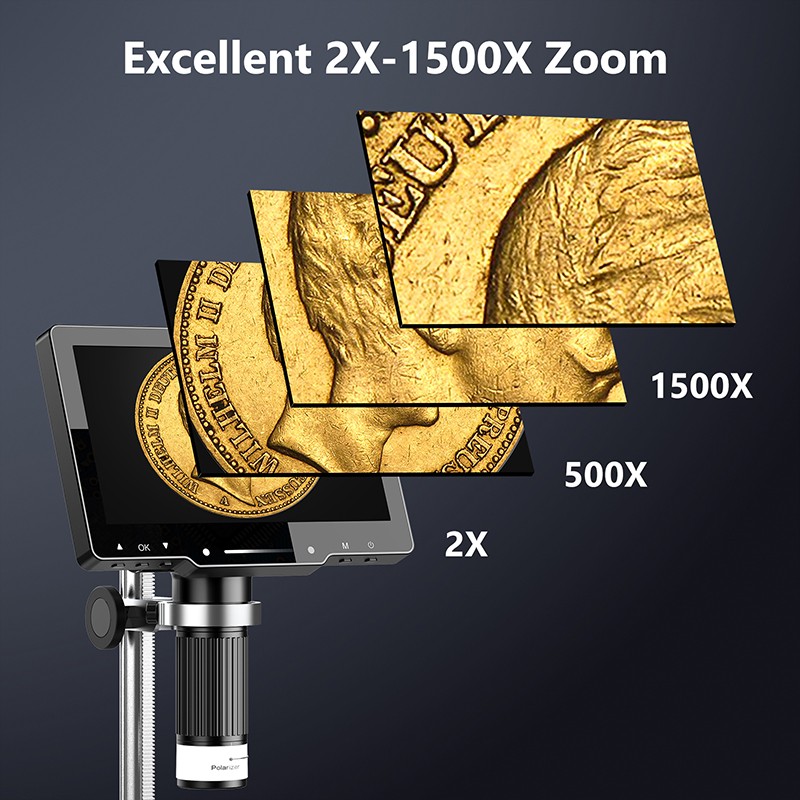
Effective coin examination requires a coin microscope with magnification capabilities between 10x and 200x, providing flexibility for both general inspection and detailed surface analysis. Most affordable coin microscope models offer variable magnification through adjustable lens systems or digital zoom functions that maintain image clarity across the entire magnification range.
Optical quality in budget coin microscopes depends primarily on lens construction and coating quality rather than brand reputation. Quality glass elements with anti-reflective coatings produce sharper images with reduced distortion, enabling accurate assessment of coin surface details, mint marks, and potential wear patterns.
Digital coin microscope models under $100 typically feature CMOS sensors with resolutions ranging from 1080p to 4K, providing sufficient detail capture for most numismatic applications. Higher resolution sensors enable better documentation of coin features and support cropping for detailed examination of specific areas.
Illumination Systems and LED Technology
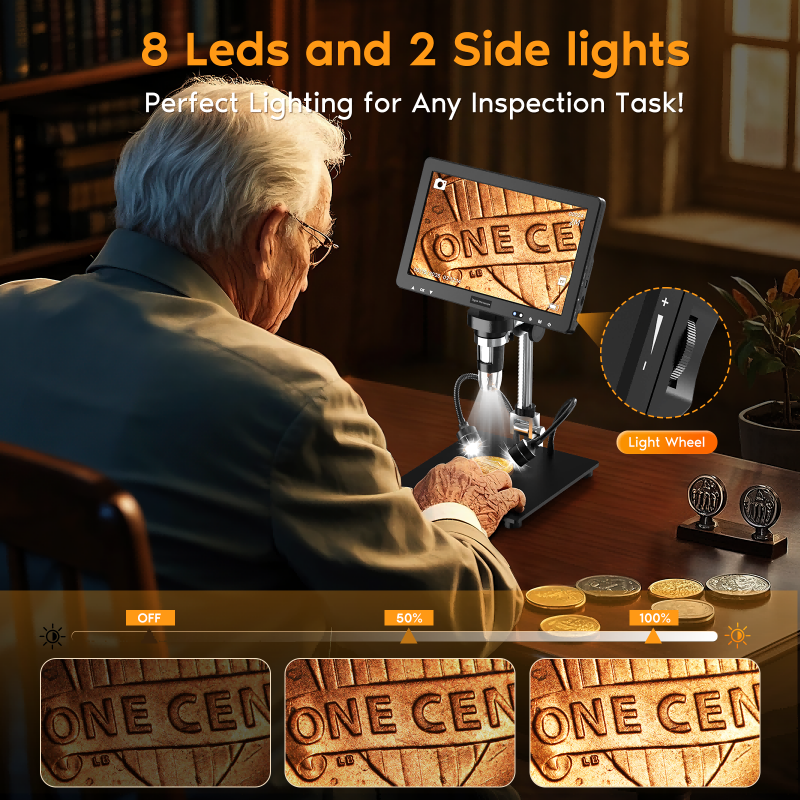
Proper lighting remains crucial for coin examination, as shadows and uneven illumination can obscure important surface details or create misleading visual artifacts. Modern affordable coin microscope models incorporate LED lighting systems with adjustable intensity controls, providing consistent illumination without the heat generation associated with traditional incandescent bulbs.
Ring light configurations work particularly well for coin examination, as they provide even illumination around the coin's perimeter while minimizing harsh shadows that can hide surface imperfections. Some coin microscope models under $100 feature dual-position LED arrays that allow users to adjust lighting angle for optimal contrast and detail visibility.
Color temperature considerations affect how coin surfaces appear under microscope illumination. Daylight-balanced LEDs around 5000K provide natural color reproduction that helps collectors accurately assess coin toning and surface characteristics without artificial color shifts that can mislead grading decisions.
Display and Documentation Capabilities
Modern affordable coin microscope options increasingly feature built-in LCD screens that eliminate the need for external monitors or computer connections during examination sessions. Screen sizes typically range from 3 to 5 inches in budget models, providing adequate viewing area for detailed coin inspection while maintaining compact form factors.
Image capture and storage capabilities allow collectors to document their finds and build comprehensive records of their collections. Budget coin microscope models often include microSD card slots or USB connectivity for transferring images to computers for further analysis or sharing with other collectors and experts.
Video recording functionality adds value for educational purposes or when demonstrating coin features to others. Even basic coin microscope models under $100 often support standard video formats that work seamlessly with common media players and editing software.
Performance Considerations for Coin Examination
Working Distance and Coin Positioning
Working distance refers to the space between the coin microscope lens and the coin surface when properly focused. Adequate working distance allows comfortable manipulation of coins during examination without risk of contact between the lens and valuable specimens that could cause damage to either the coin or the equipment.
Most effective coin microscope designs provide working distances of 2-4 inches at maximum magnification, offering sufficient clearance for coin rotation and repositioning while maintaining focus stability. Fixed-stage models require careful attention to working distance specifications to ensure compatibility with various coin thicknesses and holder configurations.
Adjustable stage plates or coin holders help secure specimens during examination and prevent movement that could blur images or cause coins to fall from the viewing area. Some affordable coin microscope models include rotating stages that facilitate examination of coin edges and angled surfaces without requiring manual repositioning.
Focus Mechanisms and Stability
Precise focus control enables detailed examination of coin surfaces at various depths, particularly important when examining coins with significant relief or wear patterns that create multiple focal planes. Quality coin microscope models feature smooth focus mechanisms that allow fine adjustments without introducing vibration or movement that could disturb the specimen.
Coarse and fine focus controls provide flexibility for both rapid magnification changes and precision adjustments during detailed examination. Budget coin microscope models often combine these functions in single adjustment mechanisms that require practice to master but offer adequate control for most applications.
Base stability affects image quality significantly, as any vibration or movement during examination can blur details or make photography difficult. Heavier bases generally provide better stability, but portable coin microscope models must balance stability with convenience for collectors who need to transport their equipment.
Digital Processing and Enhancement
Digital coin microscope models often include built-in image processing capabilities that enhance contrast, adjust brightness, and improve detail visibility without requiring external software. These features prove particularly valuable when examining worn coins or specimens with subtle surface variations that benefit from electronic enhancement.
Zoom and pan functions in digital coin microscope systems allow users to explore captured images in detail after initial examination, enabling discovery of features that might be missed during real-time viewing. This capability supports thorough documentation and analysis of coin characteristics.
Measurement tools integrated into some coin microscope software packages enable precise documentation of coin dimensions, feature sizes, and spatial relationships between design elements. These capabilities support authentication efforts and provide quantitative data for collection records.
Value Optimization Strategies for Budget Purchases
Feature Prioritization for Coin Collectors
Successful coin microscope selection under $100 requires prioritizing features that directly support intended applications rather than seeking maximum specification numbers that may not translate to practical benefits. Collectors focused primarily on coin grading need different capabilities than those interested in educational demonstrations or detailed photography.
Magnification requirements vary significantly based on coin types and examination goals. Ancient coins often benefit from lower magnifications that provide context for overall condition assessment, while modern coins may require higher magnifications for detecting subtle mint errors or surface treatments that affect value.
Documentation needs influence the importance of image capture quality and storage capabilities in coin microscope selection. Collectors building digital archives require different specifications than those using microscopes primarily for real-time examination and sorting activities.
Brand Considerations and Quality Indicators
While brand recognition often correlates with quality in expensive equipment, the budget coin microscope market includes many capable instruments from lesser-known manufacturers who focus on value engineering rather than premium features. Customer reviews and actual user experiences provide more reliable quality indicators than brand reputation in this price range.
Warranty coverage and customer support availability become particularly important when purchasing affordable coin microscope equipment, as budget constraints often limit manufacturer support resources. Companies offering comprehensive documentation, software updates, and responsive technical support demonstrate commitment to product quality and user satisfaction.
Component quality indicators include lens coatings, housing materials, and control mechanism smoothness. coin microscope models with metal rather than plastic housings typically provide better long-term durability and stability, though they may cost slightly more within the under-$100 price range.
Accessory and Upgrade Considerations
Many affordable coin microscope models support accessory additions that extend functionality without requiring complete equipment replacement. Standard accessories include additional eyepieces, stage inserts, and lighting modifications that enhance specific examination types or improve user comfort during extended sessions.
Compatibility with standard photographic accessories like tripods, remote shutter releases, and external lighting equipment expands the capabilities of basic coin microscope setups. Models with standard mounting threads or adapter compatibility provide flexibility for future upgrades as user needs evolve.
Software compatibility considerations affect the long-term utility of digital coin microscope models, particularly regarding operating system updates and driver availability. Open-standard connectivity options like USB reduce the risk of compatibility issues as computer systems evolve.
Practical Applications and Usage Scenarios
Authentication and Grading Support
Professional coin authentication often requires magnifications beyond the capabilities of budget microscopes, but affordable coin microscope equipment provides valuable preliminary screening capabilities that help collectors identify specimens worthy of professional evaluation. Detecting obvious alterations, repairs, or artificial aging saves time and money by avoiding unnecessary authentication fees.
Surface examination under proper magnification reveals wear patterns, contact marks, and luster characteristics that affect coin grades significantly. Budget coin microscope models provide sufficient detail resolution for identifying major grade-affecting factors, though final grading decisions may require higher-end equipment or professional expertise.
Mint mark identification and variety detection represent practical applications well-suited to affordable coin microscope capabilities. Many important varieties involve subtle differences in design details that become clearly visible under modest magnification levels achievable with sub-$100 equipment.
Educational and Demonstration Uses
Educational applications benefit significantly from affordable coin microscope equipment that enables hands-on exploration of numismatic concepts without requiring substantial institutional investments. Teachers and workshop leaders find budget-friendly options enable multiple station setups that accommodate larger groups effectively.
Public demonstration scenarios favor coin microscope models with built-in displays that eliminate the need for external monitors or projection equipment. Self-contained units with intuitive controls allow novice users to explore coin features independently while maintaining equipment simplicity and reliability.
Youth education programs particularly benefit from robust, affordable coin microscope options that withstand frequent handling while providing engaging visual experiences that capture student interest in numismatics and historical study.
Collection Management and Documentation
Systematic collection documentation requires consistent imaging capabilities that budget coin microscope equipment can provide effectively. Standardized photography protocols using affordable equipment generate comparable images across entire collections, supporting organization and insurance documentation requirements.
Condition monitoring over time becomes practical with affordable imaging equipment that enables regular documentation of coin surfaces without significant ongoing costs. Tracking changes in coin appearance helps collectors make informed decisions about storage methods and handling procedures.
Digital archive creation using budget coin microscope equipment provides backup documentation that protects against loss while supporting research activities and sharing with other collectors. Image quality sufficient for documentation purposes costs significantly less than equipment required for publication-quality photography.
FAQ
What magnification range works best for general coin examination under $100?
A coin microscope with 20x to 100x magnification covers most general examination needs effectively within budget constraints. This range allows detailed surface inspection for grading purposes while providing sufficient working distance for comfortable coin manipulation. Higher magnifications may be available in budget models but often sacrifice image quality or working distance that makes practical use difficult.
Can affordable coin microscopes provide adequate image quality for authentication purposes?
Budget coin microscope models provide sufficient detail for preliminary authentication screening and obvious alteration detection, but professional authentication typically requires higher-end equipment for definitive conclusions. Affordable microscopes excel at identifying specimens that warrant professional evaluation while screening out obviously problematic coins that would fail authentication.
How important are LED lighting systems in budget coin microscope selection?
LED lighting systems provide significant advantages over traditional lighting in coin microscope applications, offering consistent color temperature, adjustable intensity, and minimal heat generation. Even budget models benefit substantially from quality LED illumination that reveals coin surface details clearly while preventing thermal damage to sensitive specimens during extended examination sessions.
Do digital coin microscopes under $100 offer sufficient image capture quality for collection documentation?
Modern digital coin microscope models under $100 typically provide 1080p or higher resolution capture that proves adequate for collection documentation and insurance purposes. While not suitable for professional publication or museum-quality archives, these images serve effectively for personal records, online sharing, and basic research applications that most collectors require.
Table of Contents
- Essential Features in Budget Coin Microscopes
- Performance Considerations for Coin Examination
- Value Optimization Strategies for Budget Purchases
- Practical Applications and Usage Scenarios
-
FAQ
- What magnification range works best for general coin examination under $100?
- Can affordable coin microscopes provide adequate image quality for authentication purposes?
- How important are LED lighting systems in budget coin microscope selection?
- Do digital coin microscopes under $100 offer sufficient image capture quality for collection documentation?