 EN
EN

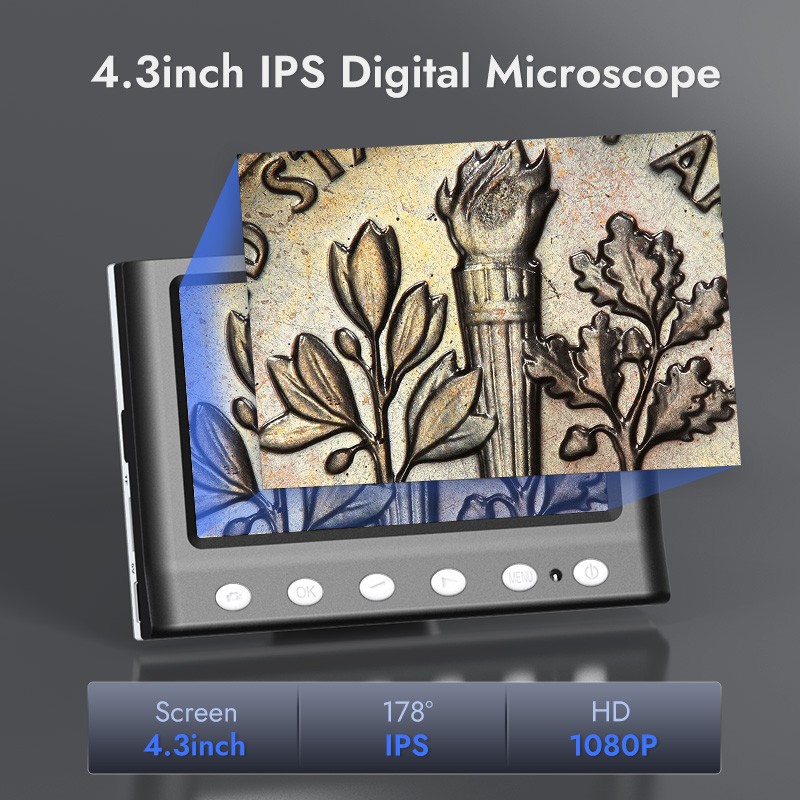
Coin collectors and numismatists in 2025 demand precision tools that reveal every intricate detail of their valuable collections. A high-quality coin microscope has become an essential instrument for authenticating rare coins, evaluating condition grades, and detecting counterfeits with professional accuracy. Modern coin microscope technology offers digital displays, LED illumination systems, and magnification ranges specifically designed for numismatic applications.
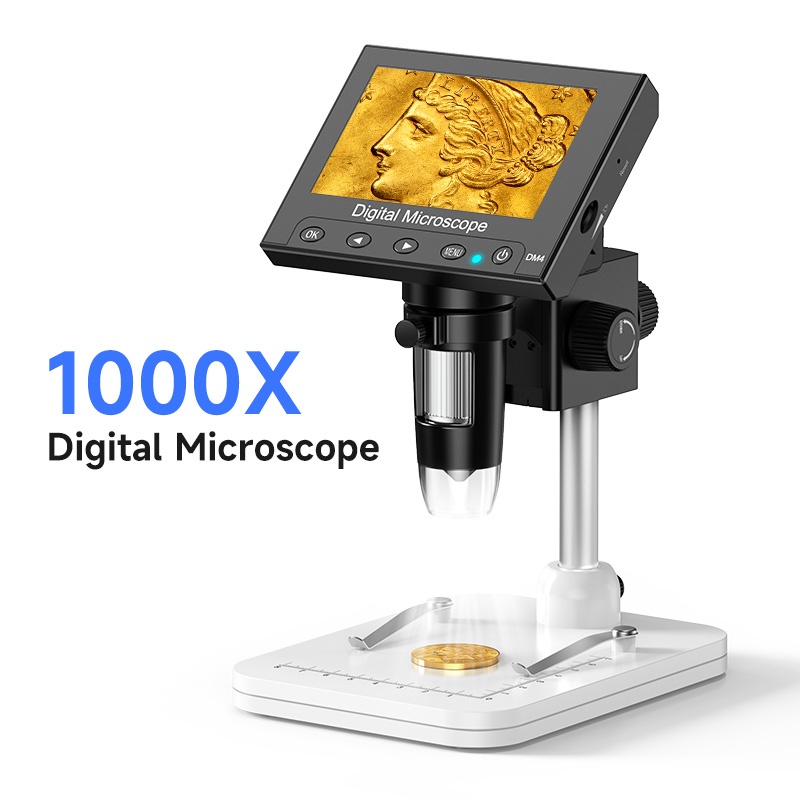
Professional coin examination requires specialized optical equipment that delivers superior magnification, consistent lighting, and ergonomic design for extended viewing sessions. This comprehensive buying guide evaluates the latest coin microscope models available in 2025, examining their technical specifications, practical applications, and value propositions for serious collectors and professional dealers.
Essential Features of Professional Coin Microscopes
Magnification Range and Optical Quality
The optimal coin microscope provides magnification levels between 10x and 200x to accommodate various examination requirements. Lower magnifications around 10x-40x excel at overall coin assessment and surface condition evaluation, while higher ranges from 50x-200x reveal microscopic details essential for authentication and grading purposes.
Premium optical systems utilize high-grade glass lenses with anti-reflective coatings to minimize distortion and maximize image clarity. Advanced coin microscope models incorporate precision-ground objectives that maintain sharp focus across the entire viewing field, ensuring accurate detail observation from edge to center.
Digital zoom capabilities complement optical magnification by providing seamless transition between power levels without manual lens adjustments. This feature proves particularly valuable during detailed examinations where quick magnification changes enhance workflow efficiency.
LED Illumination Systems
Modern coin microscope designs integrate sophisticated LED lighting arrays that eliminate shadows and provide uniform illumination across coin surfaces. Adjustable brightness controls allow users to optimize lighting conditions for different coin materials, from reflective silver pieces to darker copper specimens.
Ring light configurations surrounding the objective lens create even light distribution that highlights surface textures, mint marks, and wear patterns crucial for accurate grading. Advanced models feature dual-zone lighting with independent intensity controls for top and bottom illumination.
Color temperature consistency remains critical for accurate color representation during coin photography and documentation. Professional coin microscope systems maintain 5000K-6500K color temperatures that closely match natural daylight conditions preferred by grading services.
Digital Display Technology
Large LCD screens ranging from 4.3 to 7 inches provide comfortable viewing without eye strain during extended examination sessions. High-resolution displays with 1080p capability ensure crisp image quality that reveals fine details invisible to naked eye inspection.
Adjustable screen positioning allows optimal viewing angles for different users and examination scenarios. Articulating mounts enable precise screen alignment that reduces neck strain and improves examination accuracy during lengthy authentication processes.
Real-time image processing features include contrast enhancement, brightness adjustment, and edge sharpening filters that improve detail visibility without compromising image authenticity. These digital enhancements assist in identifying subtle characteristics while maintaining scientific accuracy.
Applications in Professional Numismatics
Authentication and Counterfeit Detection
Professional coin microscope examination reveals authentication markers invisible under standard magnification. Authentic mint processes create distinctive tool marks, die characteristics, and edge details that counterfeiters struggle to replicate accurately. Microscopic examination exposes inconsistencies in metal composition, surface textures, and manufacturing techniques.
Edge lettering analysis through coin microscope inspection identifies authentic edge characteristics versus modern reproduction methods. Original edge reeding patterns, spacing irregularities, and tool marks provide definitive authentication evidence when examined at appropriate magnification levels.
Surface porosity examination distinguishes between authentic aging processes and artificial treatments applied to modern reproductions. A quality coin microscope reveals natural oxidation patterns, environmental damage signatures, and genuine wear characteristics that authenticate historical specimens.
Grading and Condition Assessment
Accurate coin grading depends on precise evaluation of surface preservation, luster quality, and contact marks visible only through microscopic examination. Professional graders rely on coin microscope technology to assess minute details that determine grade differences worth thousands of dollars in market value.
Luster analysis requires careful examination of light reflection patterns across coin surfaces. A professional coin microscope reveals cartwheel effects, frost levels, and surface textures that distinguish between uncirculated grades and identify cleaning or environmental damage.
Contact mark evaluation involves detailed surface examination to categorize blemishes by size, depth, and location. Microscopic analysis differentiates between pre-strike planchet flaws, post-strike damage, and storage-related contact marks that influence final grade assignments.
Documentation and Photography
Digital coin microscope systems enable high-resolution photography for documentation, insurance records, and online auction listings. Integrated cameras capture detailed images that showcase coin features with clarity impossible through conventional photography methods.
Image capture software allows measurement tools, annotation features, and comparison capabilities essential for professional documentation standards. These digital tools support detailed condition reports and provide visual evidence for authentication decisions.
Video recording capabilities document examination processes and create educational content for training purposes. Time-lapse features capture detailed examinations that demonstrate professional authentication techniques and grading methodologies.
Technical Specifications and Performance Criteria
Optical System Components
High-performance coin microscope systems utilize precision-engineered objective lenses with numerical apertures optimized for numismatic applications. Superior glass formulations minimize chromatic aberration while maintaining edge-to-edge sharpness across the entire viewing field.
Parfocal lens systems maintain focus when changing magnification levels, eliminating refocusing delays during detailed examinations. This feature proves essential for efficient workflow when alternating between overview and detail inspection modes.
Anti-vibration mounting systems isolate optical components from environmental disturbances that compromise image stability. Professional coin microscope designs incorporate weighted bases and shock-absorbing materials that ensure steady viewing even in busy work environments.
Working distance specifications determine clearance between the objective lens and coin surface. Optimal working distances provide adequate space for coin manipulation while maintaining high magnification capability and illumination effectiveness.
Digital Processing Capabilities
Advanced image sensors capture high-resolution data that surpasses traditional optical viewing quality. CMOS technology provides superior low-light performance and faster image processing speeds that enhance real-time examination capabilities.
Real-time image enhancement algorithms improve contrast, reduce noise, and optimize brightness levels automatically. These processing features reveal subtle details while maintaining natural color representation essential for accurate coin assessment.
Measurement software tools provide precise dimensional analysis capabilities for thickness evaluation, diameter verification, and feature measurement. Calibrated measurement functions ensure accuracy standards required for professional documentation and certification processes.
Ergonomic Design Considerations
Adjustable stage heights accommodate different user preferences and examination requirements. Smooth vertical adjustment mechanisms enable comfortable positioning for extended viewing sessions while maintaining precise focus control.
Rotating specimen stages allow complete coin examination without repositioning the coin microscope or disturbing focus settings. Graduated rotation scales enable precise angular measurements and systematic surface examination protocols.
Intuitive control interfaces minimize learning curves for new users while providing advanced functionality for experienced professionals. Touch-screen controls and programmable presets streamline common examination procedures and improve operational efficiency.
Selection Criteria for Different User Types
Professional Dealer Requirements
High-volume dealers require coin microscope systems with rapid setup capabilities and consistent performance standards. Professional applications demand robust construction that withstands daily use while maintaining optical precision over extended periods.
Multiple magnification presets enable quick transitions between different examination modes without manual adjustments. Programmable lighting configurations optimize illumination for various coin types and examination purposes.
Integration capabilities with existing documentation systems streamline workflow processes and improve productivity. Professional coin microscope systems support standardized image formats and measurement protocols required for certification submissions.
Calibration stability ensures consistent results across multiple examination sessions and different environmental conditions. Professional models maintain optical specifications within tight tolerances that meet industry standards for authentication and grading purposes.
Serious Collector Applications
Advanced collectors benefit from coin microscope features that enhance appreciation and understanding of their collections. Educational capabilities provide learning opportunities that deepen numismatic knowledge and improve collecting decisions.
Moderate magnification ranges between 20x-100x prove optimal for most collector applications, providing sufficient detail resolution without excessive complexity. User-friendly interfaces encourage regular use while maintaining professional examination standards.
Affordable pricing structures make advanced coin microscope technology accessible to serious collectors without professional dealer budgets. Value-oriented models balance performance capabilities with reasonable investment requirements.
Compact designs accommodate home office environments and limited storage space while maintaining essential functionality. Portable options enable coin show examinations and field authentication applications.
Educational and Research Purposes
Educational institutions require coin microscope systems with demonstration capabilities and robust construction suitable for student use. Large display screens enable group viewing and interactive learning experiences that enhance numismatic education programs.
Research applications demand high-resolution imaging capabilities and precise measurement tools for academic documentation. Scientific-grade optical systems provide data quality suitable for peer-reviewed publications and scholarly research projects.
Networking capabilities enable remote viewing and collaborative examination sessions between researchers at different locations. Digital connectivity supports distance learning applications and expert consultation opportunities.
FAQ
What magnification range is most useful for coin examination?
Most coin examination tasks require magnification levels between 20x and 100x. Lower powers around 20x-40x provide excellent overview capabilities for general condition assessment, while 50x-100x magnifications reveal authentication details and grading characteristics. Professional applications may benefit from higher magnifications up to 200x for specialized authentication work.
How important is LED lighting quality in a coin microscope?
LED lighting quality significantly impacts examination accuracy and user comfort. Even illumination eliminates shadows that obscure surface details, while adjustable brightness accommodates different coin materials and surface characteristics. Professional models with ring lighting configurations provide superior illumination consistency compared to single-point light sources.
Can digital coin microscopes replace traditional optical models?
Digital coin microscope systems offer several advantages including larger viewing screens, image capture capabilities, and reduced eye strain during extended use. However, some professionals prefer traditional optical viewing for critical authentication work. The choice depends on specific application requirements and personal preferences for examination methodology.
What features justify higher coin microscope prices?
Premium coin microscope models justify higher costs through superior optical quality, enhanced LED illumination systems, larger high-resolution displays, and advanced digital features like measurement software and image enhancement capabilities. Professional construction quality and extended warranties also contribute to higher pricing for models intended for commercial use.