 EN
EN

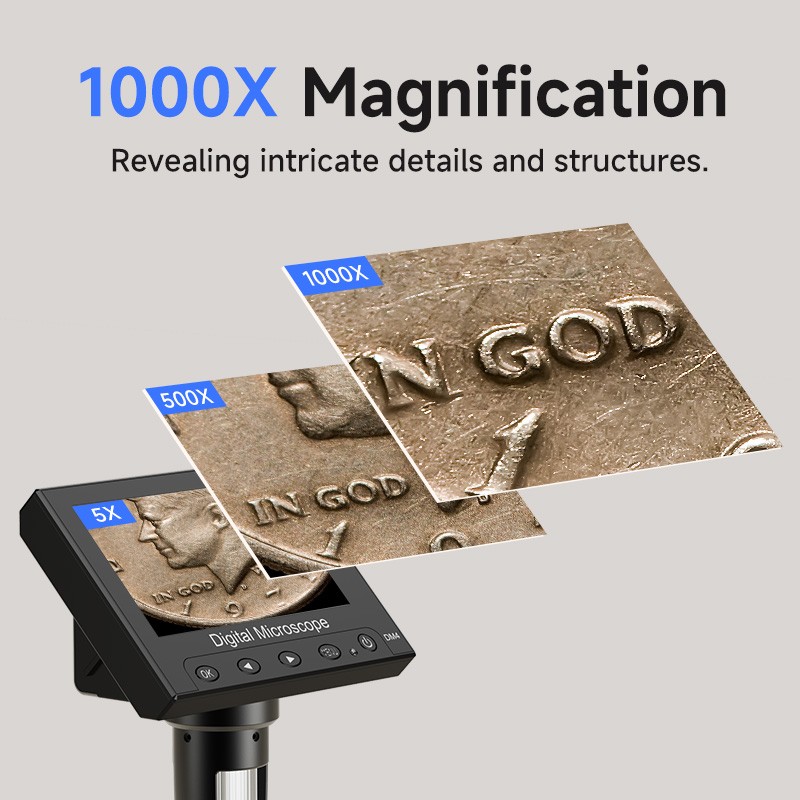
Modern coin collecting demands precision tools that reveal the intricate details determining a coin's authenticity, grade, and market value. A high-quality coin microscope transforms your collecting experience by exposing surface characteristics invisible to the naked eye, from mint marks and wear patterns to potential counterfeiting indicators. Professional collectors understand that investing in the right coin microscope features directly impacts their ability to make informed purchasing decisions and accurately assess their collection's worth.
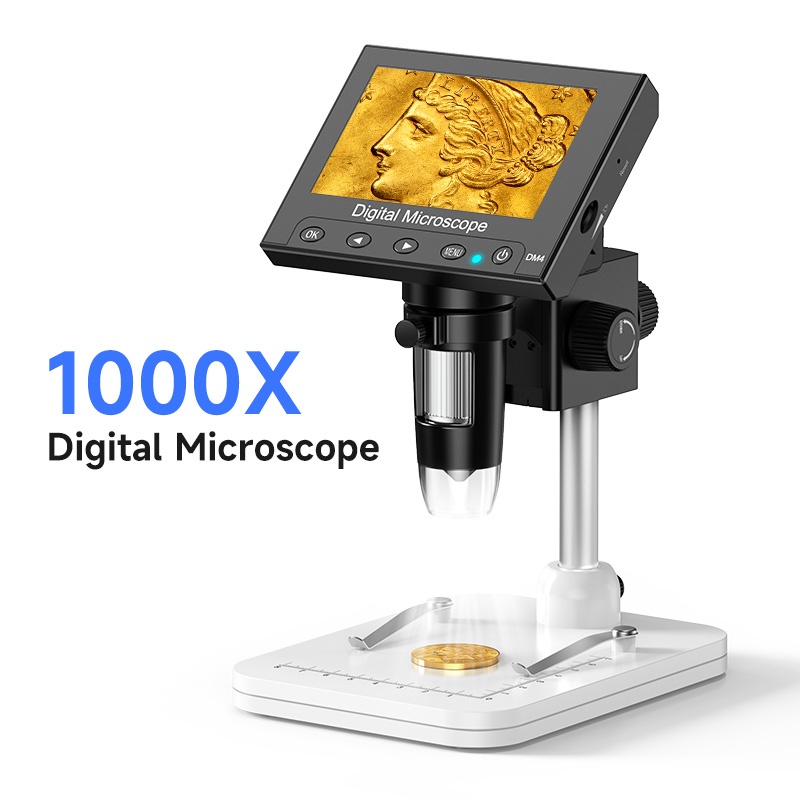
The difference between a casual hobbyist and serious numismatist often lies in understanding which coin microscope specifications matter most for accurate examination. While magnification power receives significant attention, features like lighting quality, image stability, and display clarity play equally crucial roles in revealing coin details that determine authenticity and condition grades. This comprehensive guide explores the essential features that separate professional-grade coin microscopes from basic magnification tools, helping collectors make informed equipment decisions.
Magnification Power and Optical Quality
Understanding Magnification Requirements for Different Coin Types
Professional coin examination requires variable magnification capabilities that accommodate different inspection needs. Most collectors find that a coin microscope offering 10x to 200x magnification covers the full spectrum of numismatic analysis, from initial overview inspection to detailed surface examination. Lower magnification levels between 10x and 40x work effectively for general condition assessment, edge examination, and identifying major surface features like scratches or corrosion patterns.
Higher magnification ranges from 50x to 200x become essential when authenticating coins, examining mint marks, or detecting subtle alterations. Ancient coins often require maximum magnification to reveal surface details obscured by age and wear, while modern coins benefit from mid-range magnification for grading purposes. The ability to smoothly adjust magnification levels without losing focus allows collectors to transition seamlessly between different examination phases.
Premium coin microscope models feature parfocal objectives that maintain focus when switching between magnification levels, eliminating the frustrating need to refocus constantly during examination sessions. This feature proves particularly valuable when comparing multiple coins or documenting specific surface characteristics at different magnification levels.
Optical Resolution and Image Clarity Standards
Image clarity determines whether subtle surface details remain visible or disappear into optical blur, making resolution quality a critical factor in coin microscope selection. High-resolution optics reveal fine details like die polish lines, hairline scratches, and microscopic surface textures that significantly impact coin grading and authentication decisions.
Professional-grade coin microscope systems utilize multi-element lens designs that minimize chromatic aberration and maintain sharp focus across the entire viewing field. Edge-to-edge clarity ensures that coin details remain crisp whether examining the center or periphery of the coin surface, preventing the need to constantly reposition specimens during detailed analysis.
Color accuracy represents another crucial optical consideration, as surface toning and patina colors provide important authentication clues. Superior optical systems reproduce natural coin colors without introducing color casts that could mislead collectors about a coin's true appearance and condition.
Illumination Systems and Lighting Control
LED Lighting Technology and Heat Management
Modern coin microscope illumination relies on advanced LED technology that provides consistent, cool lighting without generating heat that could damage delicate coin surfaces. Professional LED systems offer extended operational life while maintaining stable color temperature throughout examination sessions, ensuring consistent viewing conditions for accurate assessment.
Multiple LED placement configurations allow collectors to control lighting angles and intensity, revealing surface details that might remain hidden under single-point illumination. Ring lights provide even illumination that minimizes harsh shadows, while adjustable side lighting helps reveal raised design elements and surface textures through controlled shadowing effects.
Heat-free operation protects valuable coins from thermal damage while allowing extended examination sessions without operator fatigue. Traditional incandescent illumination systems generate significant heat that can cause metal expansion and potentially damage temperature-sensitive coin surfaces, making LED technology the preferred choice for professional numismatic work.
Adjustable Brightness and Angle Control
Variable brightness control allows collectors to optimize lighting intensity for different coin types and surface conditions. Highly reflective modern coins require lower intensity settings to prevent glare and washout, while darkly toned ancient coins benefit from higher illumination levels that penetrate surface oxidation.
Directional lighting control reveals surface characteristics through strategic shadow creation and highlight positioning. Oblique lighting angles expose subtle surface irregularities like scratches, tooling marks, and wear patterns that indicate coin authenticity and condition. The ability to adjust lighting direction during examination provides comprehensive surface analysis capabilities.
Advanced coin microscope systems incorporate polarized lighting options that reduce surface reflections and enhance contrast for detailed surface examination. Polarization filters help distinguish between surface scratches and underlying design elements, improving accuracy in condition grading and authentication processes.
Display Technology and Viewing Options
Digital Screen Integration and Size Considerations
Digital display integration transforms coin examination from a solitary activity into a collaborative process where multiple observers can view specimens simultaneously. Large LCD screens eliminate eye strain associated with extended microscope use while providing superior image quality compared to traditional eyepiece viewing systems.
Screen size directly impacts examination effectiveness, with larger displays revealing fine details more clearly and reducing operator fatigue during lengthy evaluation sessions. Professional collectors often prefer displays ranging from 4 to 7 inches, providing optimal detail visibility without overwhelming workspace requirements.
High-resolution digital screens reproduce coin images with exceptional clarity, allowing collectors to examine surface details with unprecedented precision. Modern IPS (In-Plane Switching) technology ensures consistent image quality across different viewing angles, enabling multiple observers to examine coins simultaneously without image distortion.
Image Capture and Documentation Features
Built-in image capture capabilities allow collectors to document coin conditions, create authentication records, and build comprehensive collection databases. High-resolution still image capture preserves detailed surface characteristics that support insurance documentation, authentication verification, and condition tracking over time.
Video recording functionality proves valuable for documenting dynamic surface characteristics that static images cannot capture effectively. Surface luster, cartwheel effects, and subtle color variations become visible through video documentation, providing comprehensive records for authentication and grading purposes.
Professional coin microscope systems often include measurement tools and calibration features that allow precise dimensional documentation. Scale overlays and measurement functions support authentication processes by verifying coin dimensions against published specifications, helping identify potential counterfeits or altered specimens.
Stability and Positioning Systems
Base Construction and Vibration Control
Stable base construction eliminates image shake and vibration that can obscure fine details during high-magnification examination. Heavy, well-balanced bases provide the foundation necessary for precise coin microscope operation, while vibration-dampening materials isolate the optical system from external disturbances.
Professional-grade positioning systems incorporate smooth, precise adjustment mechanisms that allow fine positioning control without introducing vibration or sudden movements. Quality construction ensures that focus adjustments remain stable throughout examination sessions, preventing the frustration of constant refocusing.
Adjustable working distances accommodate coins of varying thickness while maintaining optimal optical performance. Sufficient clearance allows examination of coins in protective holders or slabs without removing them from protective encasulation, preserving coin condition while enabling detailed analysis.
Specimen Staging and Handling Solutions
Dedicated coin staging platforms provide secure, stable positioning that prevents coin movement during examination while protecting surfaces from scratches or damage. Soft staging materials like felt or rubber ensure that valuable coins remain secure without risking surface contact damage.
Rotating stages allow comprehensive coin examination without handling, reducing contamination risk while enabling complete edge and surface inspection. Smooth rotation mechanisms provide precise positioning control that supports detailed authentication and grading processes.
Protective barriers and covers shield coins from dust, moisture, and handling damage during extended examination sessions. Professional coin microscope setups often incorporate environmental controls that maintain stable conditions protecting both equipment and specimens from environmental contamination.
Advanced Features for Professional Applications
Connectivity and Software Integration
Modern coin microscope systems offer connectivity options that integrate with collection management software, authentication databases, and documentation systems. USB connections enable direct image transfer to computers for detailed analysis, comparison, and archival storage purposes.
Wireless connectivity expands documentation capabilities by allowing real-time image sharing with authentication services, grading companies, and fellow collectors. Cloud-based integration supports remote consultation and collaborative authentication processes that enhance accuracy and confidence in coin evaluation.
Specialized numismatic software packages provide measurement tools, comparison databases, and authentication references that transform basic coin microscope systems into comprehensive evaluation platforms. Integration capabilities allow collectors to leverage extensive digital resources during examination processes.
Calibration and Measurement Precision
Precision measurement capabilities support authentication processes by enabling accurate dimensional verification against established coin specifications. Calibrated measurement systems help identify altered coins, counterfeits, and specimens with non-standard dimensions that indicate potential issues.
Regular calibration procedures ensure measurement accuracy over time, maintaining the precision necessary for professional authentication and grading work. Quality coin microscope systems include calibration standards and procedures that support consistent, reliable measurement results.
Advanced measurement features include area calculation, angle measurement, and profile analysis capabilities that provide comprehensive dimensional documentation for authentication and research purposes. These features support detailed analysis requirements for rare coins, varieties, and specimens requiring extensive documentation.
FAQ
What magnification power is most useful for general coin collecting purposes?
Most collectors find that magnification ranges between 20x and 100x provide optimal utility for routine coin examination, grading, and authentication tasks. This range allows detailed surface inspection while maintaining practical working distances and field of view sizes that accommodate various coin sizes effectively.
Can a coin microscope damage valuable coins during examination?
Properly designed coin microscope systems with LED lighting and non-contact examination methods pose minimal risk to valuable coins. Heat-generating illumination should be avoided, and coins should never contact hard surfaces or optical elements during examination to prevent scratches or other damage.
How important is image capture capability for serious collectors?
Image capture functionality proves essential for documentation, insurance records, authentication verification, and condition tracking over time. High-quality still images and video documentation provide permanent records that support authentication processes and help maintain comprehensive collection databases.
What should collectors look for in coin microscope lighting systems?
Professional collectors should prioritize LED lighting systems with adjustable intensity, multiple light positioning options, and cool operation characteristics. Ring lighting provides even illumination, while directional lighting reveals surface textures and wear patterns essential for accurate grading and authentication decisions.