 EN
EN

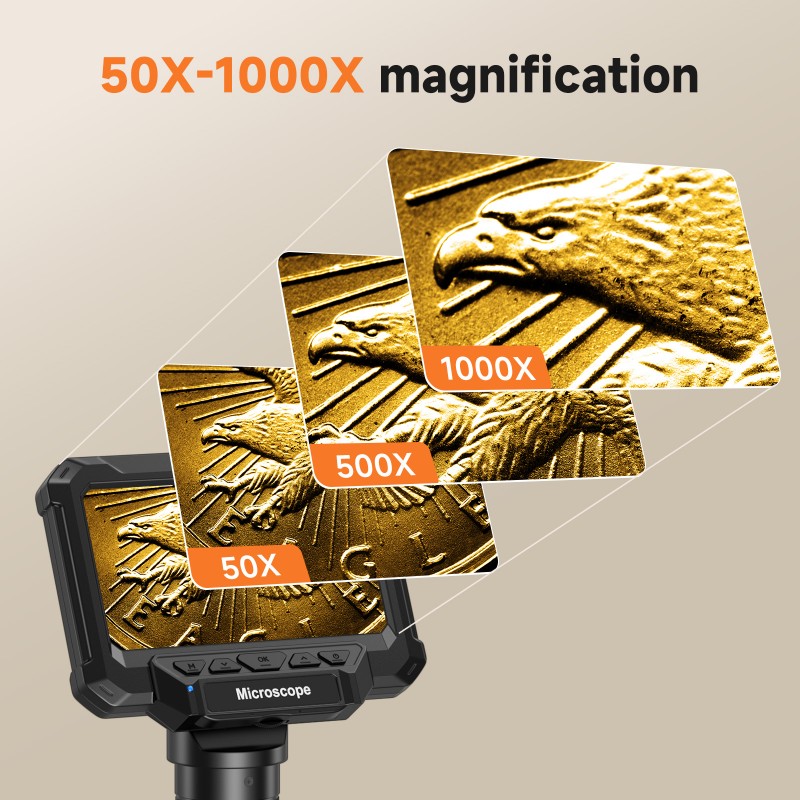
When selecting a 1000x microscope for your laboratory, research facility, or educational institution, understanding the key performance characteristics and technological advancements available in 2025 becomes crucial for making an informed investment decision. Modern 1000x microscope systems have evolved significantly, incorporating advanced digital imaging capabilities, enhanced optical systems, and user-friendly interfaces that deliver exceptional magnification clarity for detailed specimen examination. The current market offers diverse 1000x microscope options ranging from traditional optical systems to cutting-edge digital models that seamlessly integrate with computer workstations for comprehensive analysis and documentation.

Professional microscopy applications demand precision, reliability, and consistent performance, making the selection of an appropriate 1000x microscope a critical decision that impacts research outcomes and operational efficiency. Contemporary 1000x microscope designs incorporate sophisticated lens systems, adjustable illumination controls, and ergonomic features that support extended observation sessions while maintaining image quality across various specimen types. This comprehensive evaluation examines the most outstanding 1000x microscope models available in 2025, analyzing their technical specifications, practical applications, and performance advantages to guide your selection process effectively.
Essential Performance Criteria for 1000x Microscope Selection
Optical System Quality and Resolution Standards
The foundation of any exceptional 1000x microscope lies in its optical system design, where high-quality objective lenses and eyepieces work together to deliver sharp, distortion-free images at maximum magnification. Professional-grade 1000x microscope models incorporate precision-ground lenses with specialized coatings that minimize light loss and reduce chromatic aberration, ensuring accurate color reproduction and enhanced contrast for detailed specimen analysis. The numerical aperture of the objective lens significantly influences the resolving power and light-gathering capability of a 1000x microscope, with higher numerical apertures providing superior resolution for examining fine cellular structures and microscopic details.
Modern 1000x microscope systems feature advanced lens manufacturing techniques that produce exceptional optical clarity while maintaining consistency across the entire field of view. The integration of plan-corrected objectives in premium 1000x microscope models ensures flat field imaging, eliminating the curved field distortion commonly associated with older microscope designs. Additionally, contemporary 1000x microscope optics incorporate infinity-corrected optical systems that allow for the insertion of additional optical components without compromising image quality, expanding the versatility and functionality of the microscope system.
Digital Integration and Imaging Capabilities
Contemporary 1000x microscope models increasingly feature integrated digital cameras and computer connectivity, enabling real-time image capture, analysis, and documentation directly from the microscope system. These digital 1000x microscope configurations eliminate the need for separate camera attachments while providing superior image quality through purpose-built sensors optimized for microscopy applications. The ability to capture high-resolution images and videos at 1000x magnification facilitates detailed documentation, measurement analysis, and collaborative research sharing through digital platforms.
Advanced 1000x microscope systems with digital capabilities often include sophisticated software packages that enable measurement tools, image enhancement features, and automated analysis functions. The integration of USB connectivity in modern 1000x microscope models provides seamless compatibility with various computer systems, allowing for efficient workflow integration and data management. These digital features transform traditional 1000x microscope operation into comprehensive analysis platforms that support both qualitative observation and quantitative measurement requirements.
Technical Specifications and Performance Standards
Magnification Accuracy and Optical Precision
Achieving true 1000x magnification requires precise optical alignment and high-quality components working in perfect harmony throughout the microscope system. Professional 1000x microscope models undergo rigorous calibration procedures to ensure magnification accuracy within specified tolerances, typically maintaining precision within ±2% of the stated magnification value. The mechanical precision of the focusing system directly impacts the usability and reliability of a 1000x microscope, with quality models incorporating smooth, backlash-free focusing mechanisms that enable precise specimen positioning and sharp image acquisition.
The parfocal design of premium 1000x microscope objective systems ensures that specimens remain in approximate focus when switching between different magnification levels, significantly improving operational efficiency and reducing adjustment time during multi-level examinations. Optical tube length standardization in modern 1000x microscope designs allows for interchangeability of components and accessories, providing flexibility for specialized applications and future system upgrades. The incorporation of strain-free optics in high-end 1000x microscope models minimizes internal stress that could affect image quality and ensures long-term optical stability.
Illumination Systems and Light Management
Proper illumination plays a crucial role in maximizing the performance potential of any 1000x microscope, with modern systems incorporating LED lighting technology that provides consistent, cool-running illumination with extended operational life. Advanced 1000x microscope models feature variable intensity control systems that allow precise adjustment of illumination levels to optimize contrast and minimize specimen damage from excessive light exposure. The integration of Köhler illumination in professional 1000x microscope systems ensures even light distribution across the entire field of view while providing maximum resolution and contrast enhancement.
Contemporary 1000x microscope designs often incorporate dual illumination systems, combining transmitted light for transparent specimens with incident light for opaque materials, expanding the range of observable samples and applications. The color temperature stability of LED illumination in modern 1000x microscope systems provides consistent imaging conditions that support accurate color reproduction and reliable comparative analysis across multiple observation sessions. Energy-efficient LED technology in current 1000x microscope models significantly reduces heat generation, creating more comfortable operating conditions while extending the lifespan of optical components.
Application-Specific Features and Specialized Capabilities
Laboratory and Research Applications
Professional laboratory environments require 1000x microscope systems that deliver consistent performance under demanding usage conditions while maintaining calibration accuracy over extended periods. Research-grade 1000x microscope models incorporate robust mechanical construction with precision-machined components that resist wear and maintain alignment stability throughout intensive use cycles. The environmental resistance of laboratory 1000x microscope systems includes protection against dust, moisture, and chemical exposure, ensuring reliable operation in diverse laboratory conditions.
Specialized research applications often demand specific features from 1000x microscope systems, such as phase contrast capabilities for living cell observation, fluorescence compatibility for tagged specimen analysis, or polarization options for crystal and mineral examination. Multi-user laboratory environments benefit from 1000x microscope models with ergonomic designs that accommodate different user heights and viewing preferences while maintaining consistent optical performance across all adjustment positions. The documentation capabilities of modern research 1000x microscope systems support compliance with laboratory quality standards and enable comprehensive record-keeping for experimental protocols.
Educational and Training Environments
Educational institutions require 1000x microscope systems that balance performance capabilities with durability and ease of use, supporting both instructor demonstrations and student hands-on learning activities. Student-oriented 1000x microscope models incorporate simplified control systems and robust construction that withstand frequent handling while maintaining optical quality sufficient for educational objectives. The maintenance requirements of educational 1000x microscope systems must align with institutional resources and technical support capabilities, favoring designs that minimize service needs and maximize operational reliability.
Modern educational 1000x microscope systems often include connectivity features that enable classroom projection and digital sharing, supporting interactive learning experiences and remote instruction capabilities. The cost-effectiveness of educational 1000x microscope models requires careful balance between performance features and budget constraints, with successful implementations providing adequate capabilities for curriculum requirements without excessive complexity or expense. Standardization across educational 1000x microscope installations facilitates maintenance efficiency and ensures consistent learning experiences across multiple classroom environments.
Technology Trends and Future Developments
Digital Enhancement and Smart Features
The evolution of 1000x microscope technology continues to incorporate advanced digital processing capabilities that enhance image quality and expand analytical possibilities beyond traditional optical limitations. Artificial intelligence integration in contemporary 1000x microscope systems enables automated focus optimization, specimen recognition, and measurement algorithms that improve accuracy and reduce operator variability. Smart connectivity features in modern 1000x microscope models support remote operation, cloud-based image storage, and collaborative research platforms that transform traditional microscopy into connected laboratory ecosystems.
Machine learning algorithms incorporated into advanced 1000x microscope systems can automatically adjust imaging parameters based on specimen characteristics, optimizing contrast and resolution for specific sample types without manual intervention. The integration of augmented reality displays in next-generation 1000x microscope designs provides overlay information and guidance systems that enhance user experience and reduce training requirements. Predictive maintenance capabilities in smart 1000x microscope systems monitor component performance and alert users to potential issues before they affect imaging quality or system reliability.
Sustainability and Environmental Considerations
Environmental sustainability has become an important factor in modern 1000x microscope design, with manufacturers incorporating energy-efficient components and recyclable materials to reduce environmental impact throughout the product lifecycle. LED illumination technology in contemporary 1000x microscope systems significantly reduces power consumption compared to traditional halogen lighting while providing superior performance characteristics and extended operational life. The longevity of modern 1000x microscope designs supports sustainable laboratory practices by reducing replacement frequency and minimizing electronic waste generation.
Eco-friendly manufacturing processes for 1000x microscope production increasingly emphasize reduced material waste, energy-efficient production methods, and responsible sourcing of optical components and electronic materials. The modular design philosophy adopted by leading 1000x microscope manufacturers enables component upgrades and repairs that extend system lifespan while reducing the need for complete unit replacement. Sustainable packaging and shipping practices for 1000x microscope distribution minimize environmental impact while ensuring adequate protection during transportation and storage.
Selection Criteria and Decision Framework
Performance Requirements Assessment
Determining the optimal 1000x microscope for specific applications requires careful evaluation of performance requirements against available features and capabilities across different model categories. The intended specimen types and observation methods significantly influence the selection criteria for a 1000x microscope, with biological samples requiring different optical characteristics than materials science applications. Usage frequency and user skill levels impact the durability and ease-of-use requirements for a 1000x microscope installation, affecting both initial selection criteria and long-term operational considerations.
Budget constraints play a crucial role in 1000x microscope selection, requiring careful analysis of feature priorities and performance trade-offs to maximize value within available resources. The total cost of ownership for a 1000x microscope system includes initial purchase price, ongoing maintenance requirements, consumable costs, and potential upgrade expenses over the expected service life. Compatibility with existing laboratory equipment and workflow processes influences 1000x microscope selection, particularly regarding software integration, data formats, and accessory requirements.
Vendor Support and Service Considerations
The quality of vendor support and service availability significantly impacts the long-term success of any 1000x microscope installation, affecting both routine maintenance and unexpected repair situations. Comprehensive warranty coverage for 1000x microscope systems should include both optical and electronic components, with clear terms regarding replacement parts and service response times. Technical support accessibility for 1000x microscope operation includes user training, troubleshooting assistance, and software updates that maintain system performance and compatibility over time.
Local service availability for 1000x microscope maintenance ensures minimal downtime and rapid problem resolution, particularly important for critical applications that cannot tolerate extended system outages. The availability of replacement parts and upgrade options for 1000x microscope systems affects long-term operational costs and system longevity, with established manufacturers typically providing better parts availability and upgrade paths. Documentation quality and user manual comprehensiveness for 1000x microscope systems supports effective operation and reduces dependency on external support for routine procedures.
FAQ
What magnification accuracy should I expect from a quality 1000x microscope?
Professional-grade 1000x microscope systems typically maintain magnification accuracy within ±2% of the stated value when properly calibrated and maintained. The actual magnification achieved depends on the combination of objective lens power, eyepiece magnification, and any additional optical components in the system. Regular calibration using certified reference standards ensures that your 1000x microscope maintains accurate magnification measurements for critical applications requiring precise dimensional analysis.
How do I determine if a 1000x microscope is suitable for my specific applications?
Evaluate your specimen types, required image quality, and analysis needs against the technical specifications of potential 1000x microscope models. Consider factors such as working distance requirements, illumination options, digital connectivity needs, and any specialized features like phase contrast or fluorescence capabilities. Testing representative specimens on demonstration units or consulting with microscopy specialists helps ensure that your selected 1000x microscope will meet your specific performance expectations and application requirements.
What maintenance requirements should I expect for a 1000x microscope system?
Regular maintenance for a 1000x microscope includes cleaning optical surfaces, calibrating magnification accuracy, and inspecting mechanical components for wear or alignment issues. Professional servicing typically involves annual calibration verification, objective lens cleaning or replacement, and illumination system maintenance to ensure optimal performance. Proper storage conditions, careful handling procedures, and routine cleaning protocols significantly extend the service life and maintain the performance quality of your 1000x microscope investment.
Can modern 1000x microscope systems integrate with existing laboratory information management systems?
Contemporary 1000x microscope models with digital capabilities often include software interfaces and connectivity options that support integration with laboratory information management systems through standard data formats and network protocols. Many modern systems provide APIs or direct database connectivity that enables automated image capture, measurement data transfer, and specimen tracking integration. Consult with your LIMS provider and microscope manufacturer to determine specific compatibility requirements and available integration options for seamless workflow implementation.
Table of Contents
- Essential Performance Criteria for 1000x Microscope Selection
- Technical Specifications and Performance Standards
- Application-Specific Features and Specialized Capabilities
- Technology Trends and Future Developments
- Selection Criteria and Decision Framework
-
FAQ
- What magnification accuracy should I expect from a quality 1000x microscope?
- How do I determine if a 1000x microscope is suitable for my specific applications?
- What maintenance requirements should I expect for a 1000x microscope system?
- Can modern 1000x microscope systems integrate with existing laboratory information management systems?