 EN
EN

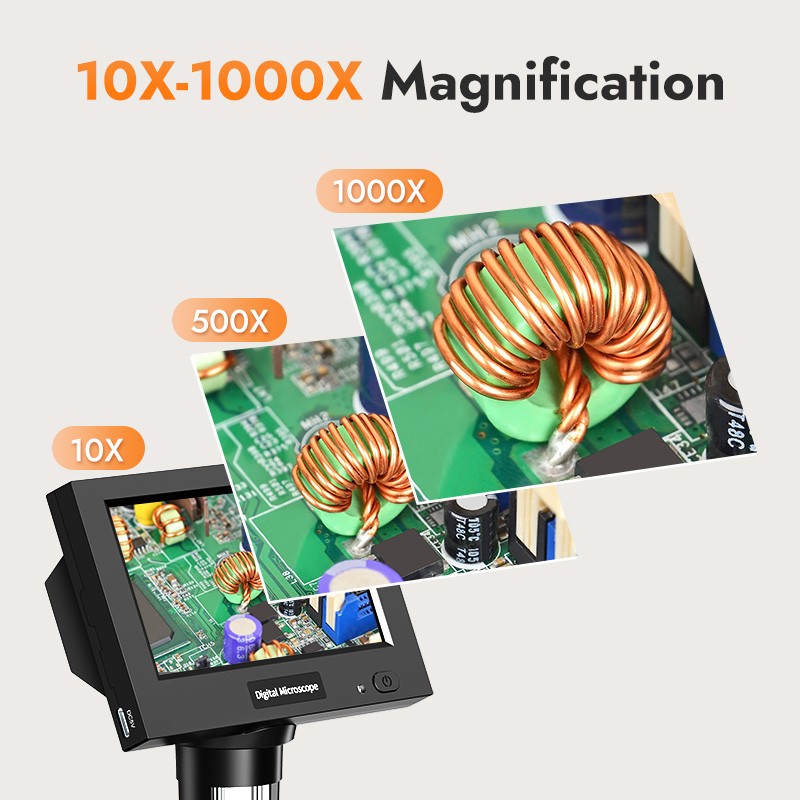
Selecting the right 1000x microscope for home research requires careful consideration of your specific scientific goals, budget constraints, and technical requirements. Whether you're a student conducting biology experiments, a hobbyist exploring microorganisms, or a researcher needing high-magnification capabilities outside of traditional lab settings, understanding the key factors that differentiate various 1000x microscope models will help you make an informed decision that serves your research needs effectively.
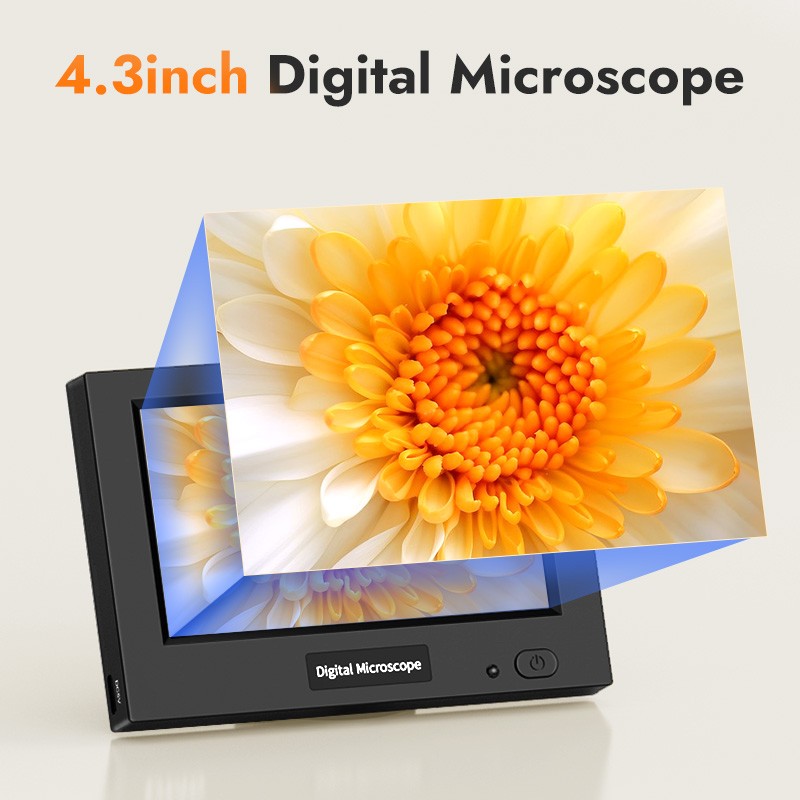
The process of choosing a 1000x microscope for home use involves evaluating several critical aspects including optical quality, illumination systems, mechanical stability, and digital capabilities. Unlike lower magnification microscopes, a 1000x microscope demands superior optical components and precise engineering to deliver clear, detailed images at such high magnification levels. Your choice will significantly impact the quality of your research outcomes and the overall user experience during extended observation sessions.
Understanding Magnification Requirements for Home Research
Actual vs. Useful Magnification in 1000x Microscopes
When evaluating a 1000x microscope for home research, it's essential to understand the difference between stated magnification and useful magnification. Many manufacturers advertise maximum magnification figures that may not translate to meaningful image quality improvements. A quality 1000x microscope should provide clear, detailed images throughout its magnification range, with the highest settings still maintaining proper resolution and contrast for effective specimen observation.
The useful magnification of any 1000x microscope depends heavily on the numerical aperture of the objective lenses and the quality of the optical system. For home research applications, you'll want to ensure that your chosen microscope can deliver at least 500-600x of truly useful magnification, with the 1000x setting providing additional detail when working with appropriately prepared specimens. This consideration becomes particularly important when studying cellular structures, microorganisms, or conducting detailed material analysis at home.
Research Application Compatibility
Different home research projects require varying approaches to magnification and optical configuration. A 1000x microscope intended for biological research should excel at revealing cellular details, organelles, and microorganisms with sufficient clarity for documentation and analysis. The optical design should provide adequate working distance and depth of field to accommodate various specimen types while maintaining the high resolution necessary for meaningful observations.
For materials research or quality control applications, your 1000x microscope selection should prioritize features like adjustable illumination angles, superior contrast mechanisms, and stable mechanical construction. These applications often require extended observation periods and consistent reproducibility, making build quality and optical stability primary selection criteria. Consider whether your research will involve live specimens, requiring features like temperature control or specialized illumination options.
Optical System Evaluation for Home Use
Objective Lens Quality and Configuration
The objective lens system represents the most critical component in any 1000x microscope, directly determining image quality and resolution capabilities. For home research applications, look for microscopes featuring high-quality achromatic or plan achromatic objective lenses that minimize chromatic aberration and provide flat field correction across the entire field of view. The 100x oil immersion objective, typically used to achieve 1000x total magnification, should demonstrate excellent numerical aperture specifications and proper correction for spherical aberration.
Evaluate the complete objective lens set included with your potential 1000x microscope purchase, ensuring that lower magnification objectives also meet quality standards for your research needs. Many home researchers benefit from having multiple magnification options available, allowing for specimen location at lower powers before switching to 1000x for detailed observation. The mechanical precision of objective lens mounting and parfocal adjustment capabilities will significantly impact your research efficiency and results consistency.
Illumination System Design
Proper illumination becomes increasingly critical at 1000x magnification levels, where small variations in light quality can dramatically affect image clarity and contrast. A well-designed 1000x microscope for home use should incorporate an adjustable condenser system with appropriate numerical aperture matching to the objective lenses. LED illumination systems offer advantages in terms of heat generation, longevity, and color temperature consistency compared to traditional halogen sources.
Consider microscopes that provide both transmitted and reflected illumination options if your research involves diverse specimen types. The ability to adjust illumination intensity, aperture settings, and light distribution will prove invaluable when working with different specimen preparations and observation techniques. Some advanced 1000x microscope models include specialized illumination features like phase contrast or darkfield capabilities, expanding research possibilities significantly.
Mechanical Design and Stability Considerations
Frame Construction and Vibration Control
At 1000x magnification, even minor mechanical vibrations or instabilities become magnified and can severely impact image quality and observation comfort. When selecting a 1000x microscope for home research, prioritize models with substantial, well-engineered frame construction that minimizes vibration transmission from external sources. The microscope base should provide adequate weight and stability to maintain steady images during extended observation sessions.
Evaluate the focusing mechanism design, particularly the coarse and fine focus controls that will be used frequently during 1000x observations. Quality mechanical components in these systems ensure smooth, precise adjustments without introducing play or backlash that could affect specimen positioning. The stage design should provide secure specimen mounting with minimal flex or movement during manipulation, as small displacements become significant at high magnification levels.
Ergonomic Factors for Extended Use
Home research often involves extended observation periods, making ergonomic considerations important factors in 1000x microscope selection. The eyepiece height, viewing angle, and interpupillary distance adjustability should accommodate comfortable use for your specific physical requirements. Binocular viewing systems generally provide superior comfort compared to monocular designs when conducting lengthy research sessions at 1000x magnification.
Consider the overall workspace requirements and portability needs for your home research setup. Some 1000x microscope models offer modular designs that allow for easy storage when not in use, while others prioritize maximum stability through permanent installation configurations. The control placement and accessibility should facilitate smooth operation without requiring awkward positioning or frequent setup adjustments during research activities.
Digital Integration and Documentation Features
Camera Systems and Image Capture
Modern home research often requires digital documentation capabilities, making camera integration an important consideration when choosing a 1000x microscope. Digital camera systems should provide sufficient resolution to capture the detail available at 1000x magnification without introducing significant image degradation or color distortion. USB-connected cameras offer advantages in terms of direct computer integration and real-time viewing capabilities.
Evaluate the software packages included with digital 1000x microscope systems, ensuring compatibility with your computer operating system and research documentation requirements. Advanced software features like measurement tools, annotation capabilities, and image enhancement functions can significantly improve research productivity and result quality. Some systems offer live streaming capabilities that facilitate remote collaboration or educational applications.
Connectivity and Data Management
Consider how your chosen 1000x microscope will integrate with your existing home research infrastructure and data management systems. USB connectivity should provide reliable, high-speed data transfer for large image files generated during detailed observations. Some models offer wireless connectivity options that provide additional flexibility in workspace arrangement and device integration.
File format compatibility and image quality settings should align with your research documentation requirements and available storage capacity. The ability to capture both still images and video recordings at 1000x magnification expands research possibilities, particularly when studying dynamic processes or specimen behavior over time. Ensure that the digital systems maintain image quality standards appropriate for your specific research applications.
Budget Planning and Value Assessment
Initial Investment Considerations
Establishing a realistic budget for a 1000x microscope purchase requires careful consideration of your research requirements, expected usage frequency, and long-term research goals. Entry-level 1000x microscope models may provide adequate performance for basic home research applications, while advanced systems offer superior optical quality and additional features that justify higher initial investments for serious research work.
Consider the total cost of ownership beyond the initial microscope purchase, including necessary accessories like immersion oil, additional objectives, specimen preparation supplies, and potential camera systems. Some 1000x microscope packages include comprehensive accessory sets that provide better overall value compared to individual component purchases. Factor in potential upgrade paths and component compatibility when evaluating different price points.
Long-term Value and Expandability
A quality 1000x microscope represents a significant investment that should provide years of reliable service for home research applications. Evaluate the manufacturer's reputation for product support, parts availability, and upgrade options that might extend the useful life of your microscope investment. Modular designs often provide better long-term value through component upgrades and feature additions as research needs evolve.
Consider the potential for expanded research applications and whether your chosen 1000x microscope can accommodate future needs through additional accessories or configuration changes. Systems with standardized mounting interfaces and comprehensive accessory ecosystems provide greater flexibility for research expansion. The ability to add specialized illumination, camera systems, or measurement tools can significantly extend the research value of your initial microscope investment.
FAQ
What specimen types work best with a 1000x microscope for home research?
A 1000x microscope excels at observing bacteria, blood cells, plant cell details, microorganisms in pond water, fabric fibers, and small crystalline structures. Thin specimens that allow light transmission work best, typically requiring proper slide preparation with appropriate mounting media. Oil immersion techniques are usually necessary to achieve the full 1000x magnification potential with optimal image clarity.
How important is oil immersion capability when choosing a 1000x microscope?
Oil immersion capability is essential for achieving true 1000x magnification with proper resolution and light-gathering efficiency. Without oil immersion, the effective magnification drops significantly due to light refraction losses at the objective lens interface. Quality 1000x microscope systems include proper oil immersion objectives and should come with appropriate immersion oil and cleaning supplies.
Can a 1000x microscope be used effectively in a typical home environment?
Yes, modern 1000x microscope designs accommodate home use with proper setup considerations. Choose a location away from vibrations, maintain stable room temperature, and ensure adequate lighting control for optimal results. Digital models with USB connectivity work particularly well in home settings, allowing for computer integration and convenient image documentation without requiring darkroom conditions.
What maintenance requirements should I expect with a home-use 1000x microscope?
Regular maintenance includes cleaning optical surfaces with appropriate lens papers and solutions, proper storage in dust-free conditions, and periodic calibration checks for mechanical components. Oil immersion objectives require careful cleaning after each use to prevent oil residue buildup. LED illumination systems typically require minimal maintenance compared to halogen bulb systems, reducing long-term service requirements.
Table of Contents
- Understanding Magnification Requirements for Home Research
- Optical System Evaluation for Home Use
- Mechanical Design and Stability Considerations
- Digital Integration and Documentation Features
- Budget Planning and Value Assessment
-
FAQ
- What specimen types work best with a 1000x microscope for home research?
- How important is oil immersion capability when choosing a 1000x microscope?
- Can a 1000x microscope be used effectively in a typical home environment?
- What maintenance requirements should I expect with a home-use 1000x microscope?