 EN
EN

เมื่อเลือกกล้องจุลทรรศน์สำหรับผู้ใหญ่ที่สามารถใช้งานได้อย่างเชื่อถือได้ในงานที่ต้องการความจริงจัง การตัดสินใจขั้นพื้นฐานคือการพิจารณาว่า กล้องจุลทรรศน์ระดับห้องปฏิบัติการแบบมืออาชีพ หรือระบบกล้องจุลทรรศน์ขั้นสูงสำหรับใช้ที่บ้านนั้น เหมาะสมกับความต้องการเฉพาะของผู้ใช้มากกว่ากัน กล้องจุลทรรศน์มืออาชีพที่ออกแบบมาสำหรับผู้ใหญ่นั้นเป็นอุปกรณ์ทางแสงที่ซับซ้อน ซึ่งทำหน้าที่เป็นสะพานเชื่อมระหว่างเครื่องมือเพื่อการศึกษาขั้นพื้นฐานกับอุปกรณ์วิจัยระดับสูง โดยมีความสามารถรองรับการใช้งานหลากหลาย ตั้งแต่การวินิจฉัยเชิงวิชาชีพไปจนถึงการสำรวจอย่างลึกซึ้งสำหรับผู้ที่มีงานอดิเรกเกี่ยวกับวิทยาศาสตร์ ดังนั้น การเข้าใจความแตกต่างระหว่างกล้องจุลทรรศน์แบบห้องปฏิบัติการกับแบบใช้ที่บ้านจึงมีความสำคัญยิ่งสำหรับผู้ใหญ่ที่ต้องการความแม่นยำ ความน่าเชื่อถือ และประสิทธิภาพสูงจากการลงทุนในอุปกรณ์กล้องจุลทรรศน์
การเลือกระหว่างกล้องจุลทรรศน์รุ่นสำหรับห้องปฏิบัติการกับรุ่นสำหรับใช้ที่บ้านส่งผลโดยพื้นฐานต่อขอบเขตของการประยุกต์ใช้งาน ปัจจัยด้านงบประมาณ และประโยชน์ใช้สอยในระยะยาวสำหรับผู้ใช้ผู้ใหญ่ในหลากหลายสาขา กล้องจุลทรรศน์สำหรับห้องปฏิบัติการให้ความสำคัญกับประสิทธิภาพเชิงแสงสูงสุด ข้อกำหนดมาตรฐาน และความทนทานระดับสถาบัน ในขณะที่กล้องจุลทรรศน์สำหรับใช้ที่บ้านมุ่งเน้นการใช้งานที่เป็นมิตรกับผู้ใช้ ประหยัดพื้นที่ และคุ้มค่าทางต้นทุน โดยไม่ลดทอนความสามารถในการใช้งานหลัก บทวิเคราะห์อย่างครอบคลุมนี้จะพิจารณาปัจจัยสำคัญที่ทำให้สองหมวดหมู่นี้แตกต่างกัน เพื่อช่วยให้ผู้ใช้ผู้ใหญ่สามารถตัดสินใจได้อย่างมีข้อมูลตามความต้องการเฉพาะ แอปพลิเคชันที่ตั้งใจใช้งาน และสภาพแวดล้อมในการดำเนินงาน
กล้องจุลทรรศน์ระดับมืออาชีพสำหรับห้องปฏิบัติการสำหรับการใช้งานของผู้ใหญ่
ระบบออปติกขั้นสูงและมาตรฐานด้านประสิทธิภาพ
กล้องจุลทรรศน์สำหรับห้องปฏิบัติการที่ผู้ใหญ่ใช้ในสถานการณ์เชิงวิชาชีพ ประกอบด้วยระบบออปติกที่ออกแบบด้วยความแม่นยำสูง ซึ่งให้คุณภาพของภาพที่ยอดเยี่ยมในช่วงกำลังขยายหลายระดับ เครื่องมือเหล่านี้มาพร้อมเลนส์วัตถุที่มีค่ารูรับแสงเชิงตัวเลขสูง (high-numerical-aperture objectives) องค์ประกอบเลนส์แก้วคุณภาพสูง และระบบให้แสงที่ซับซ้อน ซึ่งรับประกันประสิทธิภาพที่สม่ำเสมอภายใต้สภาวะการใช้งานที่เข้มงวด โครงสร้างการออกแบบออปติกเน้นความแม่นยำของสี การเพิ่มประสิทธิภาพของคอนทราสต์ และความสามารถในการแยกแยะรายละเอียด (resolution) ซึ่งสนับสนุนการวิเคราะห์อย่างละเอียดต่อตัวอย่างที่มีความซับซ้อน ทั้งนี้เพื่อการจัดทำเอกสารและการวัดผลในระดับวิชาชีพ
รุ่นกล้องจุลทรรศน์สำหรับห้องปฏิบัติการมืออาชีพผสานคุณสมบัติขั้นสูง เช่น การสังเกตแบบคอนทราสต์เฟส (phase contrast), การสังเกตแบบคอนทราสต์การแทรกสอดเชิงอนุพันธ์ (differential interference contrast) และความสามารถในการตรวจวิเคราะห์ด้วยฟลูออเรสเซนซ์ ซึ่งช่วยขยายขอบเขตของการวิเคราะห์ให้กว้างไกลยิ่งกว่าการสังเกตแบบไบรท์-ฟิลด์ (bright-field) แบบดั้งเดิม ระบบกล้องจุลทรรศน์เหล่านี้รองรับเทคนิคเฉพาะทางต่าง ๆ อาทิ ไมโครสโคปีแบบแสงโพลาไรซ์ (polarized light microscopy), การส่องสว่างแบบดาร์ก-ฟิลด์ (dark-field illumination) และการถ่ายภาพฟลูออเรสเซนซ์หลายความยาวคลื่น (multi-wavelength fluorescence imaging) ซึ่งผู้เชี่ยวชาญในห้องปฏิบัติการจำเป็นต้องใช้เพื่อการวิเคราะห์ตัวอย่างอย่างครอบคลุม คุณภาพของประสิทธิภาพด้านออปติกที่รักษามาตรฐานไว้ในกล้องจุลทรรศน์สำหรับห้องปฏิบัติการ ทำให้มั่นใจได้ถึงผลลัพธ์ที่สามารถทำซ้ำได้และสอดคล้องตามข้อกำหนดด้านการจัดทำเอกสารเชิงวิชาชีพและการประกันคุณภาพ
ความทนทานสำหรับสถาบันและความต้องการด้านการมาตรฐาน
สภาพแวดล้อมในห้องปฏิบัติการต้องการกล้องจุลทรรศน์ที่ผู้ใหญ่สามารถใช้งานได้อย่างต่อเนื่องภายใต้สภาวะการใช้งานอย่างหนัก ขณะยังคงรักษาความแม่นยำในการวัดไว้ได้เป็นระยะเวลานาน รุ่นสำหรับห้องปฏิบัติการระดับมืออาชีพนั้นมีโครงสร้างทางกลที่แข็งแรง ประกอบด้วยชิ้นส่วนที่ผลิตด้วยความแม่นยำสูง และมีอินเทอร์เฟซมาตรฐานที่รองรับการใช้งานร่วมกันโดยผู้ใช้หลายคน รวมทั้งสอดคล้องกับขั้นตอนการบำรุงรักษาของสถาบัน เครื่องมือเหล่านี้ผ่านการทดสอบควบคุมคุณภาพอย่างเข้มงวด เพื่อให้มั่นใจว่าสอดคล้องตามมาตรฐานห้องปฏิบัติการและข้อกำหนดด้านกฎระเบียบที่กำกับงานวิเคราะห์ระดับมืออาชีพ
ด้านการมาตรฐานของกล้องจุลทรรศน์สำหรับห้องปฏิบัติการ ได้แก่ ระบบวัดที่ผ่านการสอบเทียบแล้ว ข้อกำหนดด้านแสงที่มีการบันทึกไว้อย่างชัดเจน และความเข้ากันได้กับแนวปฏิบัติในห้องปฏิบัติการที่มีอยู่แล้ว ซึ่งช่วยให้มั่นใจได้ว่าผลลัพธ์ที่ได้จะสอดคล้องกันทั้งในระดับเครื่องมือและสถานที่ต่าง ๆ รุ่นระดับมืออาชีพมีการออกแบบแบบโมดูลาร์ ที่รองรับอุปกรณ์เสริมเฉพาะทาง ระบบวัด และอุปกรณ์สำหรับจัดทำเอกสาร ซึ่งจำเป็นต่อขั้นตอนการปฏิบัติงานในห้องปฏิบัติการอย่างเป็นทางการ การมาตรฐานนี้ช่วยให้บุคลากรในห้องปฏิบัติการสามารถบรรลุผลลัพธ์ที่เชื่อถือได้และสามารถทำซ้ำได้ ตามเกณฑ์มาตรฐานระดับวิชาชีพและข้อบังคับที่ใช้กับงานวิเคราะห์
กล้องจุลทรรศน์สำหรับใช้ในบ้าน ออกแบบสำหรับผู้ใช้งานวัยผู้ใหญ่
การออกแบบที่ใช้งานง่ายและการจัดสรรพื้นที่อย่างมีประสิทธิภาพ
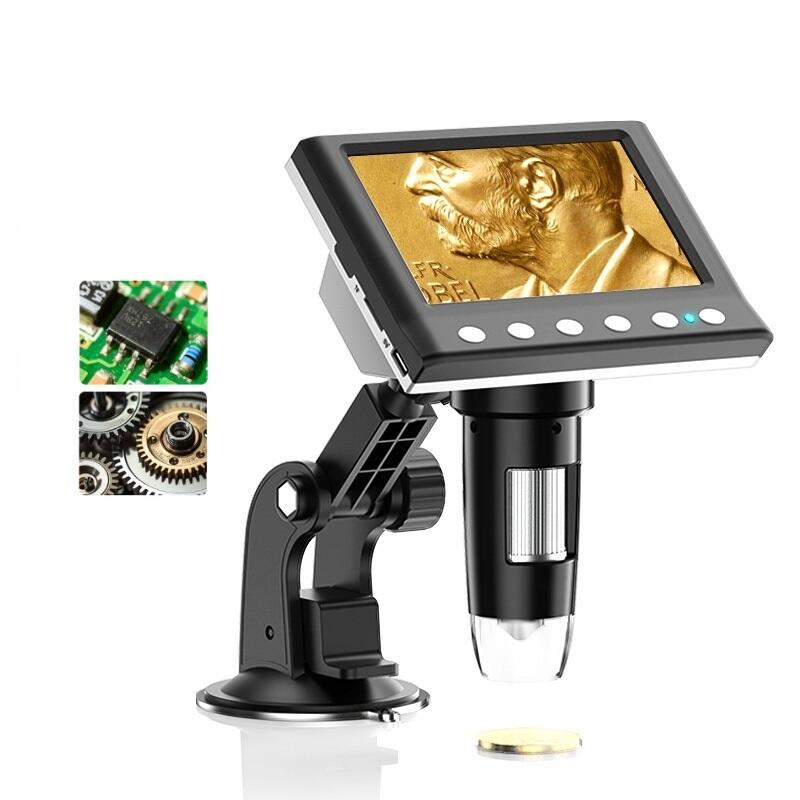
กล้องจุลทรรศน์สำหรับใช้ในบ้านเน้นการใช้งานที่ง่ายและดีไซน์กะทัดรัด เหมาะสำหรับผู้ใหญ่ที่ใช้งานในบ้านพักอาศัยโดยไม่ลดทอนประสิทธิภาพการทำงานที่สำคัญ เครื่องมือเหล่านี้มีปุ่มควบคุมที่เรียบง่าย ระบบไฟ LED ในตัว และการออกแบบตามหลักสรีรศาสตร์ที่ช่วยให้ใช้งานได้อย่างสะดวกสบายเป็นเวลานานโดยใช้พื้นที่ทำงานน้อยที่สุด ปรัชญาการออกแบบเน้นการเข้าถึงได้ง่ายสำหรับผู้ใหญ่ที่อาจไม่มีประสบการณ์ด้านกล้องจุลทรรศน์มากนัก แต่ต้องการประสิทธิภาพที่เชื่อถือได้สำหรับการใช้งานที่จริงจัง
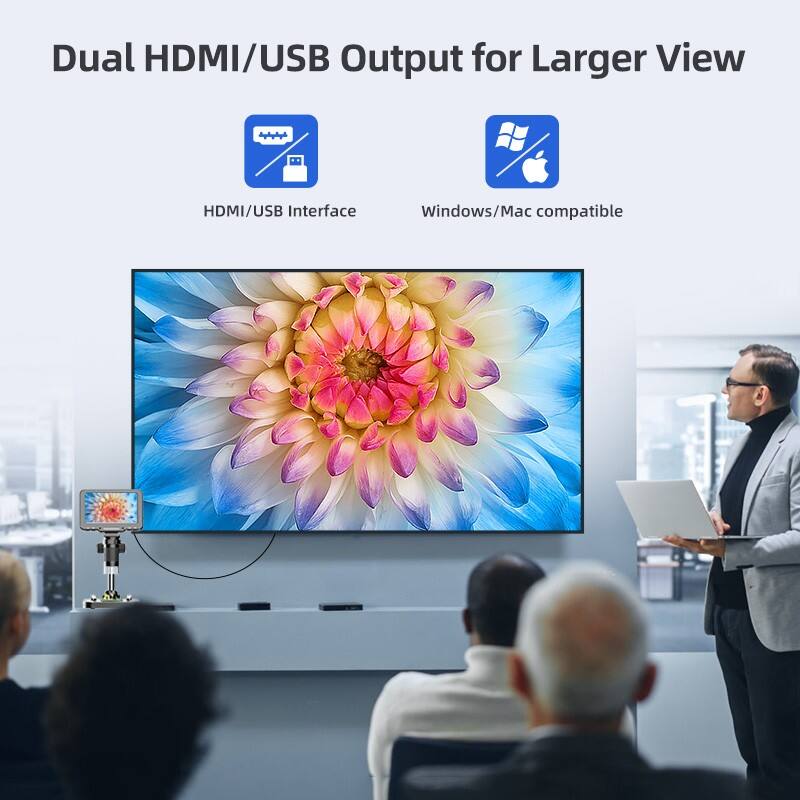
กล้องจุลทรรศน์สำหรับใช้ในบ้านแบบทันสมัย ซึ่งผู้ใหญ่ชื่นชอบ ได้รับการออกแบบให้รองรับการเชื่อมต่อดิจิทัล เช่น การเชื่อมต่อผ่านพอร์ต USB ความเข้ากันได้กับซอฟต์แวร์ และความสามารถในการเชื่อมต่อกับคอมพิวเตอร์โดยตรง เพื่อเพิ่มศักยภาพในการจัดทำเอกสารและการแบ่งปันข้อมูล รุ่นเหล่านี้มักผสมผสานการสังเกตด้วยเลนส์แบบดั้งเดิมเข้ากับตัวเลือกการจับภาพและแสดงผลแบบดิจิทัล ทำให้ผู้ใช้สามารถใช้หน้าจอคอมพิวเตอร์ในการสังเกตอย่างสะดวกสบาย รวมทั้งประมวลผลภาพได้อย่างมีประสิทธิภาพ การผสานเทคโนโลยีดิจิทัลเข้ากับกล้องจุลทรรศน์สำหรับใช้ในบ้าน ทำให้อุปกรณ์เหล่านี้กลายเป็นเครื่องมืออเนกประสงค์ที่สนับสนุนทั้งเทคนิคการสังเกตแบบดั้งเดิมและข้อกำหนดด้านการจัดทำเอกสารในยุคปัจจุบัน
ความคุ้มค่าและประสิทธิภาพในการเพิ่มมูลค่า
รุ่นสำหรับใช้ในบ้านบรรลุความคุ้มค่าด้านต้นทุนผ่านกระบวนการผลิตที่มีประสิทธิภาพ ชุดคุณสมบัติที่เรียบง่าย และการเลือกใช้ส่วนประกอบที่ผ่านการปรับแต่งให้เหมาะสม ซึ่งช่วยมอบความสามารถด้านกล้องจุลทรรศน์ที่จำเป็นโดยไม่มีความซับซ้อนเกินความจำเป็นหรือราคาสูงเกินเหตุ รุ่นเหล่านี้ กล้องจุลทรรศน์สำหรับผู้ใหญ่ เลือกใช้สำหรับการใช้งานในบ้าน โดยสมดุลระหว่างความคาดหวังด้านประสิทธิภาพกับข้อจำกัดด้านงบประมาณ พร้อมรักษาคุณภาพของภาพที่เพียงพอสำหรับผู้ใช้งานระดับนักสมัครเล่นอย่างจริงจังและผู้ใช้งานระดับกึ่งมืออาชีพ ข้อเสนอเชิงมูลค่าเน้นการมอบประโยชน์สูงสุดต่อดอลลาร์ที่ลงทุน มากกว่าการเน้นประสิทธิภาพสูงสุดแบบสัมบูรณ์
ข้อได้เปรียบทางเศรษฐกิจของกล้องจุลทรรศน์สำหรับใช้งานในบ้านนั้นขยายออกไปไกลกว่าราคาซื้อเริ่มต้น โดยรวมถึงความต้องการในการบำรุงรักษาที่ลดลง ขั้นตอนการปฏิบัติงานที่เรียบง่าย และความเข้ากันได้กับโครงสร้างพื้นฐานด้านไฟฟ้าและระบบคอมพิวเตอร์ทั่วไปในครัวเรือน โมเดลเหล่านี้กำจัดความจำเป็นในการใช้ห้องปฏิบัติการเฉพาะทาง ระบบระบายอากาศเฉพาะ หรือสัญญาบริการบำรุงรักษาโดยผู้เชี่ยวชาญ ขณะเดียวกันก็ยังให้ความสามารถด้านกล้องจุลทรรศน์ที่ตอบสนองความต้องการของผู้ใช้งานวัยผู้ใหญ่ส่วนใหญ่ได้อย่างเพียงพอ แม้จะอยู่นอกบริบทของสถาบัน
ความเหมาะสมในการใช้งานและการเปรียบเทียบประสิทธิภาพ
การใช้งานเชิงวิชาชีพและงานวิจัย
กล้องจุลทรรศน์สำหรับห้องปฏิบัติการโดดเด่นเป็นพิเศษในงานที่ต้องการประสิทธิภาพเชิงออปติกสูงสุด การวัดที่แม่นยำ และขั้นตอนการวิเคราะห์ที่มีการบันทึกอย่างเป็นทางการ ซึ่งสนับสนุนการทำงานระดับมืออาชีพในแวดวงสาธารณสุข การวิจัย และการควบคุมคุณภาพอุตสาหกรรม เครื่องมือเหล่านี้ให้ความสามารถในการแยกภาพ (resolution) ความคมชัด (contrast) และความแม่นยำในการวัดที่จำเป็นต่อการวินิจฉัยทางคลินิก การวิเคราะห์วัสดุ และการจัดทำเอกสารการวิจัยที่ต้องการความน่าเชื่อถือในระดับสถาบัน งานระดับมืออาชีพได้รับประโยชน์จากข้อกำหนดมาตรฐานและการสอบเทียบประสิทธิภาพที่กล้องจุลทรรศน์รุ่นห้องปฏิบัติการรับรองไว้
ความสามารถเฉพาะด้านของกล้องจุลทรรศน์สำหรับห้องปฏิบัติการช่วยให้สามารถใช้เทคนิคขั้นสูงต่าง ๆ ได้ เช่น การวิเคราะห์เชิงปริมาณ การถ่ายภาพแบบหลายมิติ และโปรโตคอลการย้อมสีเฉพาะทาง ซึ่งสนับสนุนงานวิจัยและขั้นตอนการวินิจฉัยระดับมืออาชีพ ระบบกล้องจุลทรรศน์เหล่านี้ออกแบบมาเพื่อรองรับความต้องการในการวิเคราะห์ที่เข้มงวดในสภาพแวดล้อมระดับมืออาชีพ ซึ่งความแม่นยำ ความซ้ำซ้อนได้ และข้อกำหนดด้านประสิทธิภาพที่มีการบันทึกไว้อย่างชัดเจน เป็นปัจจัยสำคัญที่กำหนดความถูกต้องของผลการวิเคราะห์และข้อสรุปเชิงวิชาชีพ
การประยุกต์ใช้สำหรับงานอดิเรกและการศึกษา
รุ่นกล้องจุลทรรศน์สำหรับใช้ที่บ้านเหมาะอย่างยิ่งสำหรับผู้ใช้ทั่วไปวัยผู้ใหญ่ที่มีความสนใจเป็นพิเศษ ครูผู้สอน และผู้ใช้งานระดับกึ่งมืออาชีพ ซึ่งต้องการประสิทธิภาพด้านออปติกที่เชื่อถือได้สำหรับกิจกรรมการสำรวจ การเรียนรู้ และการบันทึกข้อมูล โดยเน้นกระบวนการค้นพบและความเข้าใจมากกว่าขั้นตอนการวิเคราะห์อย่างเป็นทางการ เครื่องมือเหล่านี้ให้กำลังขยาย ความละเอียด และคุณภาพของภาพที่เพียงพอต่อการสังเกตอย่างละเอียดตัวอย่างทางชีววิทยา ตัวอย่างวัสดุ และวัตถุที่เก็บรวบรวมมา พร้อมทั้งยังออกแบบให้ใช้งานง่าย เพื่อส่งเสริมการใช้งานอย่างสม่ำเสมอและการทดลองต่าง ๆ
ความหลากหลายของกล้องจุลทรรศน์สำหรับใช้ในบ้านทำให้ผู้ใหญ่เลือกใช้เพื่อการส่วนตัวเป็นพิเศษ เหมาะอย่างยิ่งสำหรับการประยุกต์ใช้งานที่หลากหลาย ได้แก่ การศึกษาธรรมชาติ การตรวจสอบวัตถุสะสม การตรวจสอบอุปกรณ์อิเล็กทรอนิกส์ และกิจกรรมการเรียนการสอนที่ได้รับประโยชน์จากความสามารถในการขยายภาพด้วยแสงคุณภาพสูง เครื่องมือเหล่านี้ทำหน้าที่เชื่อมช่องว่างระหว่างอุปกรณ์ขยายภาพพื้นฐานกับอุปกรณ์ห้องปฏิบัติการระดับมืออาชีพ โดยมอบศักยภาพในการสังเกตภายใต้กล้องจุลทรรศน์อย่างจริงจัง ภายในแพ็กเกจที่เข้าถึงได้ง่ายและราคาไม่แพง ซึ่งส่งเสริมการเรียนรู้และการสำรวจของผู้ใหญ่
ข้อมูลจำเพาะทางเทคนิคและการวิเคราะห์คุณสมบัติ
พารามิเตอร์ประสิทธิภาพด้านแสง
กล้องจุลทรรศน์สำหรับห้องปฏิบัติการมักมีค่ารูรับแสงเชิงตัวเลข (Numerical Aperture) อยู่ในช่วง 0.25 ถึง 1.4 มีความสามารถในการขยายภาพตั้งแต่ 40x ถึง 1000x หรือสูงกว่านั้น และมีขีดจำกัดความละเอียดใกล้เคียงกับ 0.2 ไมโครเมตร ซึ่งทำให้สามารถวิเคราะห์โครงสร้างย่อยของเซลล์และลักษณะเฉพาะของวัสดุที่มีความละเอียดสูงได้อย่างชัดเจน ข้อกำหนดเหล่านี้รองรับการใช้งานระดับมืออาชีพที่ต้องการประสิทธิภาพเชิงออปติกสูงสุดและความแม่นยำในการวัดสูงสุด ระบบออปติกประกอบด้วยองค์ประกอบเลนส์แก้วคุณภาพสูง การจัดแนวแหล่งกำเนิดแสงอย่างแม่นยำ และเทคนิคการเพิ่มความคมชัดขั้นสูง ซึ่งร่วมกันปรับปรุงคุณภาพของภาพให้เหมาะสมที่สุดภายใต้สภาวะการวิเคราะห์ที่ท้าทาย
โมเดลสำหรับใช้งานที่บ้านสามารถให้สมรรถนะด้านแสงที่เพียงพอสำหรับการใช้งานส่วนใหญ่ของผู้ใหญ่ ผ่านการออกแบบที่มีประสิทธิภาพ ซึ่งให้อัตราการขยายภาพโดยทั่วไปอยู่ระหว่าง 40x ถึง 1000x และค่ารูรับแสงเชิงตัวเลข (Numerical Aperture) ระหว่าง 0.25 ถึง 0.85 ทำให้มีความสามารถในการแยกแยะรายละเอียดที่เพียงพอสำหรับการสังเกตสิ่งมีชีวิต การตรวจสอบวัสดุ และการวิเคราะห์เพื่อการศึกษาหรืองานอดิเรก แม้ว่าข้อมูลจำเพาะเหล่านี้อาจไม่เทียบเท่ากับกล้องจุลทรรศน์ระดับห้องปฏิบัติการ แต่ก็มอบความสามารถในการวิเคราะห์ที่สำคัญแก่ผู้ใหญ่ ซึ่งเพียงพอต่อความต้องการส่วนใหญ่ของการใช้งานที่ไม่ใช่เชิงวิชาชีพ โดยยังคงรักษาไว้ซึ่งความคุ้มค่าและใช้งานได้ง่าย
ความสามารถในการเชื่อมต่อดิจิทัลและการจัดเก็บเอกสาร
การออกแบบกล้องจุลทรรศน์แบบทันสมัยในปัจจุบันให้ความสำคัญมากขึ้นเรื่อยๆ ต่อคุณสมบัติการผสานรวมระบบดิจิทัล ซึ่งช่วยยกระดับความสามารถในการจัดทำเอกสาร การแบ่งปัน และการวิเคราะห์ สำหรับผู้ใช้ผู้ใหญ่ทั้งในห้องปฏิบัติการและในบ้าน รุ่นที่ใช้ในห้องปฏิบัติการมักติดตั้งกล้องดิจิทัลความละเอียดสูง ซอฟต์แวร์เฉพาะทาง และรูปแบบไฟล์มาตรฐาน ซึ่งสนับสนุนความต้องการด้านการจัดทำเอกสารเชิงวิชาชีพและกระบวนการทำงานด้านการวิเคราะห์ ระบบทั้งหมดนี้สามารถดำเนินการวัดเชิงปริมาณ การวิเคราะห์ภาพ และขั้นตอนการจัดการข้อมูล ซึ่งสามารถผสานเข้ากับระบบสารสนเทศของห้องปฏิบัติการ (Laboratory Information Systems) และโปรโตคอลการรายงานเชิงวิชาชีพได้อย่างราบรื่น
โมเดลกล้องจุลทรรศน์สำหรับใช้ในบ้านอาศัยเทคโนโลยีดิจิทัลระดับผู้บริโภค เพื่อให้ความสามารถในการบันทึกและแบ่งปันข้อมูลอย่างมีประสิทธิภาพ ซึ่งตอบโจทย์ผู้ใช้งานวัยผู้ใหญ่ที่ต้องการถ่ายภาพ จัดเก็บ และแบ่งปันการค้นพบจากการสังเกตภายใต้กล้องจุลทรรศน์ของตนเอง เครื่องมือเหล่านี้มักมาพร้อมกล้อง USB แบบบูรณาการ แอปพลิเคชันซอฟต์แวร์ที่รองรับการใช้งาน และระบบจัดการไฟล์ที่เรียบง่าย ซึ่งช่วยให้สามารถถ่ายภาพได้อย่างสะดวกและวิเคราะห์พื้นฐานได้โดยไม่จำเป็นต้องมีความเชี่ยวชาญทางเทคนิคขั้นสูง หรือระบบคอมพิวเตอร์เฉพาะทาง
เกณฑ์การคัดเลือกและกรอบการตัดสินใจ
การประเมินข้อกำหนดในการใช้งาน
ผู้ใช้ที่เป็นผู้ใหญ่ต้องประเมินความต้องการเฉพาะด้านกล้องจุลทรรศน์ของตนเอง ซึ่งรวมถึงประเภทตัวอย่างที่ตั้งใจจะสังเกต ช่วงกำลังขยายที่จำเป็น ความแม่นยำในการวัดที่ต้องการ และข้อกำหนดด้านการบันทึกข้อมูล เพื่อพิจารณาว่ากล้องจุลทรรศน์สำหรับห้องปฏิบัติการหรือสำหรับใช้ในบ้านเหมาะสมกับการประยุกต์ใช้งานของตนมากกว่ากัน ความต้องการระดับมืออาชีพ เช่น การวินิจฉัยทางคลินิก การบันทึกผลการวิจัย หรือการควบคุมคุณภาพในภาคอุตสาหกรรม มักจำเป็นต้องใช้เครื่องมือระดับห้องปฏิบัติการที่ให้สมรรถนะตามมาตรฐานและเชื่อถือได้ในระดับสถาบัน แอปพลิเคชันเหล่านี้ต้องการกล้องจุลทรรศน์ที่ผู้ใหญ่สามารถพึ่งพาได้เพื่อให้ได้ผลลัพธ์ที่สอดคล้องกัน ทำซ้ำได้ และเป็นไปตามมาตรฐานวิชาชีพ
ในทางกลับกัน ผู้ใช้ที่เป็นผู้ใหญ่มักมุ่งเน้นการเรียนรู้ การสำรวจ การวิเคราะห์เพื่อความสนใจส่วนตัว หรือการประยุกต์ใช้งานในระดับกึ่งมืออาชีพ มักพบว่าโมเดลสำหรับใช้งานภายในบ้านให้ประสิทธิภาพเพียงพอ พร้อมทั้งมีต้นทุนและระดับความซับซ้อนที่ต่ำกว่าอย่างมีนัยสำคัญ โครงสร้างการตัดสินใจควรพิจารณาถึงการพัฒนาการใช้งานในระยะยาว ความเป็นไปได้ในการขยายขอบเขตของกิจกรรมด้านไมโครสโคปี และความสำคัญของข้อกำหนดมาตรฐานเทียบกับการใช้งานที่สะดวกใช้ง่ายและคุ้มค่า
ข้อพิจารณาเรื่องงบประมาณและความคุ้มค่า
กล้องจุลทรรศน์สำหรับห้องปฏิบัติการถือเป็นการลงทุนที่มีมูลค่าสูง โดยมักมีราคาอยู่ในช่วงหลายพันถึงหลายหมื่นดอลลาร์สหรัฐฯ ซึ่งสะท้อนถึงองค์ประกอบทางแสงระดับพรีเมียม กระบวนการผลิตที่แม่นยำ และข้อกำหนดมาตรฐานที่อุปกรณ์เหล่านี้มอบให้ การลงทุนที่สูงกว่านี้จะทำให้ได้สมรรถนะเชิงแสงสูงสุด ความทนทานสำหรับใช้งานในสถาบัน และความสามารถระดับมืออาชีพ ซึ่งคุ้มค่ากับต้นทุนสำหรับการใช้งานที่ต้องการคุณลักษณะเหล่านี้ ผู้ใช้ผู้ใหญ่ในสภาพแวดล้อมระดับมืออาชีพมักได้รับประโยชน์จากความน่าเชื่อถือในระยะยาวและความสม่ำเสมอของสมรรถนะที่กล้องจุลทรรศน์แบบห้องปฏิบัติการรับรองไว้
รุ่นกล้องจุลทรรศน์สำหรับใช้ในบ้านมอบคุณค่าที่โดดเด่นด้วยการให้ความสามารถด้านไมโครสโคปีพื้นฐานในระดับราคาตั้งแต่หลายร้อยถึงไม่กี่พันดอลลาร์สหรัฐฯ ทำให้ประสิทธิภาพเชิงออปติกที่มีคุณภาพสูงสามารถเข้าถึงได้โดยผู้ใช้ทั่วไปที่เป็นผู้ใหญ่ ครูผู้สอน และผู้ใช้งานระดับกึ่งมืออาชีพ กล้องจุลทรรศน์เหล่านี้มุ่งเน้นการเพิ่มประสิทธิภาพการใช้งานต่อเงินที่ลงทุนให้สูงสุด พร้อมรักษาคุณภาพของระบบออปติกให้เพียงพอสำหรับการใช้งานส่วนใหญ่ที่ไม่ใช่ระดับมืออาชีพ ซึ่งช่วยให้ผู้ใหญ่ที่ใช้กล้องจุลทรรศน์สามารถเข้าถึงความสามารถในการวิเคราะห์ขั้นสูงได้โดยไม่จำเป็นต้องลงทุนระดับสถาบัน
คำถามที่พบบ่อย
ผู้ใช้ผู้ใหญ่โดยทั่วไปต้องการช่วงกำลังขยายเท่าใดสำหรับการใช้งานระดับมืออาชีพเมื่อเทียบกับการใช้งานในบ้าน
การใช้งานในห้องปฏิบัติการระดับมืออาชีพโดยทั่วไปมักต้องการช่วงกำลังขยายตั้งแต่ 40x ถึง 1000x หรือสูงกว่านั้น โดยมีเลนส์วัตถุหลายตัวเพื่อให้ได้ขั้นตอนการขยายที่แม่นยำสำหรับงานวิเคราะห์เชิงลึก ในขณะที่ผู้ใหญ่ที่ใช้กล้องจุลทรรศน์สำหรับใช้ในบ้านมักพบว่าช่วงกำลังขยายตั้งแต่ 40x ถึง 400x เพียงพอสำหรับการสังเกตสิ่งมีชีวิต การตรวจสอบวัสดุ และการใช้งานเพื่อความสนใจส่วนตัวเป็นส่วนใหญ่ แม้ว่าแบบจำลองที่สามารถขยายได้สูงสุดถึง 1000x จะให้ความหลากหลายเพิ่มเติมสำหรับงานตรวจสอบเชิงลึก
แบบจำลองกล้องจุลทรรศน์สำหรับใช้ในบ้านสามารถให้ประสิทธิภาพที่เพียงพอสำหรับการใช้งานระดับกึ่งมืออาชีพได้หรือไม่?
รุ่นกล้องจุลทรรศน์สำหรับใช้ในบ้านแบบทันสมัยสามารถใช้งานได้อย่างมีประสิทธิภาพสำหรับการประยุกต์ใช้งานระดับกึ่งมืออาชีพ ซึ่งรวมถึงการควบคุมคุณภาพในธุรกิจขนาดเล็ก การเรียนการสอนในสถานศึกษา และกิจกรรมวิจัยของผู้ที่มีความสนใจเป็นพิเศษ ซึ่งไม่จำเป็นต้องใช้มาตรฐานระดับสถาบันหรือประสิทธิภาพเชิงออปติกสูงสุด เครื่องมือเหล่านี้ให้ความสามารถในการแยกแยะรายละเอียด กำลังขยาย และคุณภาพของภาพที่เพียงพอต่อการสนับสนุนงานวิเคราะห์อย่างจริงจัง ขณะเดียวกันก็ยังคงรักษาความคุ้มค่าด้านต้นทุนและการใช้งานที่สะดวกต่อผู้ใช้ผู้ใหญ่ในหลากหลายการประยุกต์ใช้งานระดับกึ่งมืออาชีพ
ผู้ใช้ผู้ใหญ่ควรให้ความสำคัญกับคุณสมบัติดิจิทัลใดบ้างเมื่อเปรียบเทียบกล้องจุลทรรศน์รุ่นห้องปฏิบัติการกับรุ่นสำหรับใช้ในบ้าน
ผู้ใช้ผู้ใหญ่ควรให้ความสำคัญกับคุณสมบัติดิจิทัลตามความต้องการด้านเอกสารและการแบ่งปันข้อมูล โดยรุ่นสำหรับห้องปฏิบัติการมีกล้องระดับมืออาชีพ ซอฟต์แวร์วิเคราะห์เฉพาะทาง และรูปแบบไฟล์มาตรฐานที่รองรับกระบวนการทำงานของสถาบัน ส่วนรุ่นสำหรับใช้ในบ้านมักมีการผสานรวมด้านดิจิทัลอย่างเหมาะสมผ่านการเชื่อมต่อ USB ซอฟต์แวร์ที่ใช้งานง่ายสำหรับผู้บริโภค และความสามารถในการจับภาพที่เรียบง่าย ซึ่งเพียงพอต่อความต้องการด้านเอกสารของผู้ใหญ่ส่วนใหญ่ โดยไม่จำเป็นต้องมีความเชี่ยวชาญด้านเทคนิคขั้นสูงหรือระบบคอมพิวเตอร์เฉพาะทาง
ข้อกำหนดในการบำรุงรักษาระหว่างกล้องจุลทรรศน์รุ่นสำหรับห้องปฏิบัติการกับรุ่นสำหรับใช้ในบ้านแตกต่างกันอย่างไร?
กล้องจุลทรรศน์สำหรับห้องปฏิบัติการจำเป็นต้องได้รับการบำรุงรักษาอย่างมืออาชีพเป็นประจำ การตรวจสอบการสอบเทียบค่า และขั้นตอนการทำความสะอาดตามมาตรฐาน เพื่อรักษาระดับประสิทธิภาพของสถาบันและให้สอดคล้องกับข้อกำหนดด้านกฎระเบียบ ขณะที่กล้องจุลทรรศน์สำหรับผู้ใหญ่ใช้งานที่บ้านนั้นต้องการการบำรุงรักษาน้อยมากเพียงแค่การทำความสะอาดพื้นฐานและการจัดเก็บอย่างเหมาะสม โดยมีการออกแบบที่เรียบง่ายซึ่งตัดขั้นตอนการปรับแต่งที่ซับซ้อนและข้อกำหนดในการบำรุงรักษาเฉพาะออกไป แต่ยังคงให้ประสิทธิภาพที่เชื่อถือได้สำหรับการใช้งานที่ไม่ใช่เชิงวิชาชีพ
สารบัญ
- กล้องจุลทรรศน์ระดับมืออาชีพสำหรับห้องปฏิบัติการสำหรับการใช้งานของผู้ใหญ่
- กล้องจุลทรรศน์สำหรับใช้ในบ้าน ออกแบบสำหรับผู้ใช้งานวัยผู้ใหญ่
- ความเหมาะสมในการใช้งานและการเปรียบเทียบประสิทธิภาพ
- ข้อมูลจำเพาะทางเทคนิคและการวิเคราะห์คุณสมบัติ
- เกณฑ์การคัดเลือกและกรอบการตัดสินใจ
-
คำถามที่พบบ่อย
- ผู้ใช้ผู้ใหญ่โดยทั่วไปต้องการช่วงกำลังขยายเท่าใดสำหรับการใช้งานระดับมืออาชีพเมื่อเทียบกับการใช้งานในบ้าน
- แบบจำลองกล้องจุลทรรศน์สำหรับใช้ในบ้านสามารถให้ประสิทธิภาพที่เพียงพอสำหรับการใช้งานระดับกึ่งมืออาชีพได้หรือไม่?
- ผู้ใช้ผู้ใหญ่ควรให้ความสำคัญกับคุณสมบัติดิจิทัลใดบ้างเมื่อเปรียบเทียบกล้องจุลทรรศน์รุ่นห้องปฏิบัติการกับรุ่นสำหรับใช้ในบ้าน
- ข้อกำหนดในการบำรุงรักษาระหว่างกล้องจุลทรรศน์รุ่นสำหรับห้องปฏิบัติการกับรุ่นสำหรับใช้ในบ้านแตกต่างกันอย่างไร?