 EN
EN

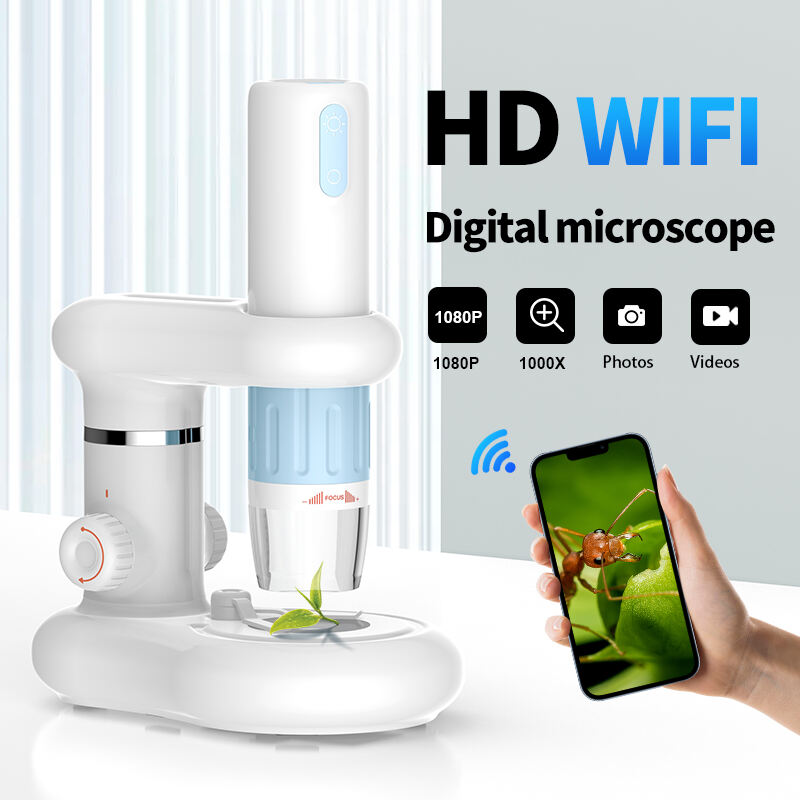
The world of microscopy has undergone a remarkable transformation with the introduction of portable phone microscope technology. These innovative devices have revolutionized how we explore the microscopic world from the comfort of our homes, making scientific discovery accessible to enthusiasts of all ages. Whether you're a curious parent looking to spark your child's interest in science or a hobbyist seeking to examine everyday objects in extraordinary detail, selecting the right phone microscope requires careful consideration of several key factors.
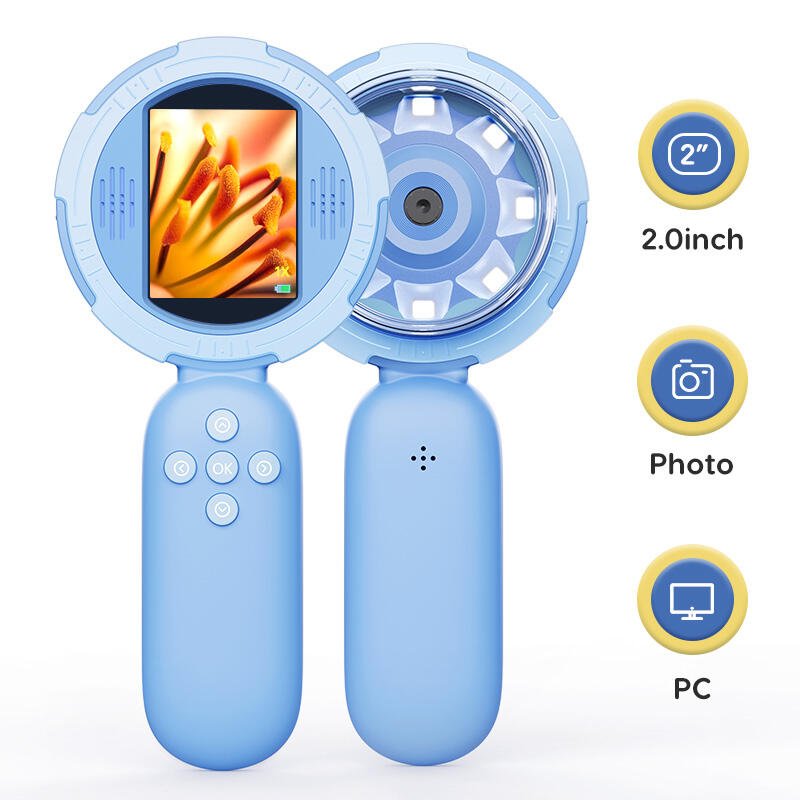
Modern phone microscopes bridge the gap between professional laboratory equipment and consumer-friendly devices, offering impressive magnification capabilities without the complexity of traditional microscopes. The convenience of having a microscope that fits in your pocket opens up endless possibilities for exploration, from examining plant cells in your garden to investigating the intricate patterns of fabric fibers. Understanding the essential features and specifications will help you make an informed decision that aligns with your specific needs and budget.
Understanding Phone Microscope Technology
Digital Imaging Capabilities
The core advantage of phone microscopes lies in their digital imaging technology, which eliminates the need for traditional eyepieces. These devices typically feature built-in cameras with varying resolution capabilities, allowing users to capture high-quality images and videos of their observations. The integration of digital sensors enables real-time viewing on LCD screens, making the microscopic world more accessible and shareable than ever before.
Most modern phone microscopes incorporate advanced image processing algorithms that enhance clarity and reduce digital noise. This technology ensures that even minute details are preserved with remarkable accuracy, enabling users to document their findings with professional-grade quality. The ability to save and share discoveries instantly transforms the traditional microscopy experience into an interactive and collaborative endeavor.
Magnification Range and Optical Quality
The magnification capabilities of phone microscopes vary significantly across different models, typically ranging from 50x to 1000x or higher. Understanding your intended applications will help determine the appropriate magnification range for your needs. Lower magnifications are ideal for examining insects, coins, and surface textures, while higher magnifications reveal cellular structures and microscopic organisms.
Optical quality depends heavily on the lens system design and manufacturing precision. Premium phone microscopes utilize multi-element lens configurations that minimize optical aberrations and deliver sharp, distortion-free images across the entire field of view. The quality of glass elements and anti-reflective coatings directly impacts image clarity and color accuracy, making these factors crucial considerations in your selection process.
Key Features to Consider
Display Screen Specifications
The display screen serves as your window into the microscopic world, making its quality paramount to your viewing experience. Screen size typically ranges from 2 to 5 inches, with larger displays offering more comfortable viewing for extended observation sessions. High-resolution screens with IPS technology provide superior color reproduction and viewing angles, ensuring that fine details remain visible from various positions.
Brightness adjustability becomes essential when working in different lighting conditions, allowing you to optimize screen visibility without compromising image quality. Some advanced models feature touchscreen interfaces that enable intuitive navigation through menu options and imaging controls. The screen's refresh rate also affects the smoothness of real-time viewing, particularly important when observing moving specimens or making fine adjustments to focus settings.
Illumination Systems
Proper illumination is fundamental to achieving optimal microscopic imaging results. Most phone microscopes incorporate LED lighting systems that provide consistent, bright illumination without generating excessive heat. The number and arrangement of LEDs affect light distribution and shadow formation, with ring-light configurations typically offering the most uniform illumination across the specimen.
Adjustable brightness controls allow users to fine-tune lighting intensity based on specimen characteristics and transparency. Some models feature dual illumination modes, combining transmitted and reflected light options to accommodate different specimen types. Advanced phone microscopes may include specialized lighting techniques such as polarized or darkfield illumination, expanding the range of observable details and enhancing contrast for specific applications.
Portability and Design Considerations
Size and Weight Factors
The compact nature of phone microscopes makes them ideal for field work and educational activities outside traditional laboratory settings. Weight considerations become particularly important for extended use sessions or when traveling with the device. Most quality phone microscopes weigh between 200-500 grams, striking a balance between portability and stability during operation.
Ergonomic design features contribute significantly to user comfort and operational efficiency. Well-designed handles and grip surfaces reduce hand fatigue during prolonged observation sessions. The overall form factor should accommodate easy one-handed operation while maintaining sufficient stability for precise focusing and specimen positioning. Consider how the device's dimensions align with your storage and transportation requirements.
Battery Life and Power Management
Battery performance directly impacts the practical usability of portable phone microscopes, particularly during field studies or extended observation sessions. Lithium-ion batteries are standard in quality devices, offering reliable power delivery and reasonable charging cycles. Battery capacity typically ranges from 800mAh to 2000mAh, with higher capacities providing longer operational periods between charges.
Power management features such as automatic sleep modes and brightness optimization help extend battery life during typical use. Some models include USB charging capabilities, allowing for convenient recharging from various power sources. Consider devices with power indicators that provide clear feedback about remaining battery capacity, helping you plan observation sessions and avoid unexpected shutdowns during critical examinations.
Software Features and Connectivity
Image Capture and Processing
Modern phone microscopes often include sophisticated software packages that enhance the overall user experience. Image capture capabilities should include multiple format options, allowing you to save files in various resolutions and compression levels based on your intended use. Video recording functionality enables documentation of dynamic processes and moving specimens, creating valuable educational content.
Built-in image processing tools can significantly improve the quality of captured images through features like contrast adjustment, color enhancement, and digital zoom capabilities. Some advanced models offer measurement tools that allow precise dimensional analysis of observed specimens. These software features transform the phone microscope from a simple viewing device into a comprehensive analytical instrument.
Wireless Connectivity Options
Wireless connectivity features expand the functionality of phone microscopes by enabling easy sharing and collaboration. Wi-Fi capabilities allow direct connection to smartphones, tablets, and computers, facilitating real-time image streaming and remote operation. This connectivity proves invaluable for educational applications where multiple viewers need simultaneous access to microscopic observations.
Some models support direct social media integration, enabling instant sharing of discoveries with online communities and educational networks. Cloud storage compatibility ensures that important observations and measurements are safely backed up and accessible from multiple devices. Consider the compatibility requirements with your existing devices and preferred platforms when evaluating connectivity options.
Applications and Use Cases
Educational Applications
Phone microscopes serve as powerful educational tools that make science more engaging and accessible for students of all ages. In classroom settings, these devices enable hands-on exploration of biological specimens, geological samples, and everyday materials with unprecedented clarity. The ability to project images to larger screens facilitates group learning experiences and collaborative discovery sessions.
Home education benefits significantly from the versatility and convenience of portable microscopes. Parents can create impromptu science lessons using household items, garden specimens, or craft materials as subjects for microscopic investigation. The digital nature of these devices allows for easy documentation of learning progress and creation of personalized science journals filled with captured images and observations.
Professional and Hobby Applications
Professional applications span various industries, from quality control inspections in manufacturing to detailed documentation in research settings. The portability of phone microscopes makes them valuable tools for field researchers, enabling on-site specimen analysis and documentation without the need for laboratory facilities. Their digital capabilities facilitate immediate sharing of findings with colleagues and supervisors.
Hobbyist applications are virtually limitless, encompassing activities such as coin collecting, jewelry appraisal, textile analysis, and nature photography. The ability to reveal hidden details in everyday objects opens new perspectives on familiar items and environments. Many users discover unexpected beauty in common materials when viewed through the enhanced perspective that microscopic examination provides.
Budget Considerations and Value Assessment
Price Range Categories
Phone microscopes are available across a wide price spectrum, typically ranging from budget-friendly options under $50 to professional-grade devices exceeding $300. Entry-level models provide basic magnification and imaging capabilities suitable for casual exploration and simple educational activities. These devices often feature lower resolution cameras and basic LED illumination systems but still deliver satisfactory performance for beginners.
Mid-range options, typically priced between $100-200, offer enhanced optical quality, better display screens, and additional software features. These devices strike an excellent balance between performance and affordability, making them ideal for serious hobbyists and educational institutions. Premium models justify their higher cost through superior optical systems, advanced software capabilities, and robust construction designed for professional applications.
Long-term Value Considerations
Evaluating long-term value requires consideration of factors beyond initial purchase price, including durability, upgrade potential, and ongoing support. Well-constructed devices with quality components typically provide years of reliable service, while cheaper alternatives may require frequent replacement or repair. Consider warranty coverage and manufacturer support when assessing the total cost of ownership.
Software update availability ensures that your device remains compatible with evolving technology standards and receives new features over time. Some manufacturers provide regular firmware updates that improve performance and add functionality, extending the useful life of the device. Factor in the availability of accessories, replacement parts, and technical support when making your final selection decision.
FAQ
What magnification level is best for beginners using a phone microscope
For beginners, a magnification range of 50x to 200x provides the most versatile and user-friendly experience. This range allows clear observation of common specimens like leaves, insects, coins, and fabric without the focusing challenges associated with higher magnifications. As skills develop, users can explore higher magnification levels for more detailed cellular observations.
Can phone microscopes work effectively in outdoor environments
Yes, phone microscopes are specifically designed for portability and function well in outdoor environments. Their built-in LED illumination systems provide consistent lighting regardless of ambient conditions. However, direct sunlight can affect screen visibility, so finding shaded areas or using screen hoods may improve viewing comfort during field work.
How do phone microscopes compare to traditional microscopes in terms of image quality
While traditional microscopes may offer superior optical resolution at the highest magnifications, modern phone microscopes deliver excellent image quality for most practical applications. The digital imaging capabilities of phone microscopes provide advantages in terms of image capture, sharing, and storage that traditional microscopes cannot match without additional equipment.
What maintenance is required for phone microscopes
Phone microscopes require minimal maintenance, primarily involving regular cleaning of the lens surfaces with appropriate cleaning solutions and microfiber cloths. Battery care through proper charging cycles helps maintain power performance. Protecting the device from moisture and extreme temperatures ensures long-term reliability and prevents damage to sensitive electronic components.