 EN
EN

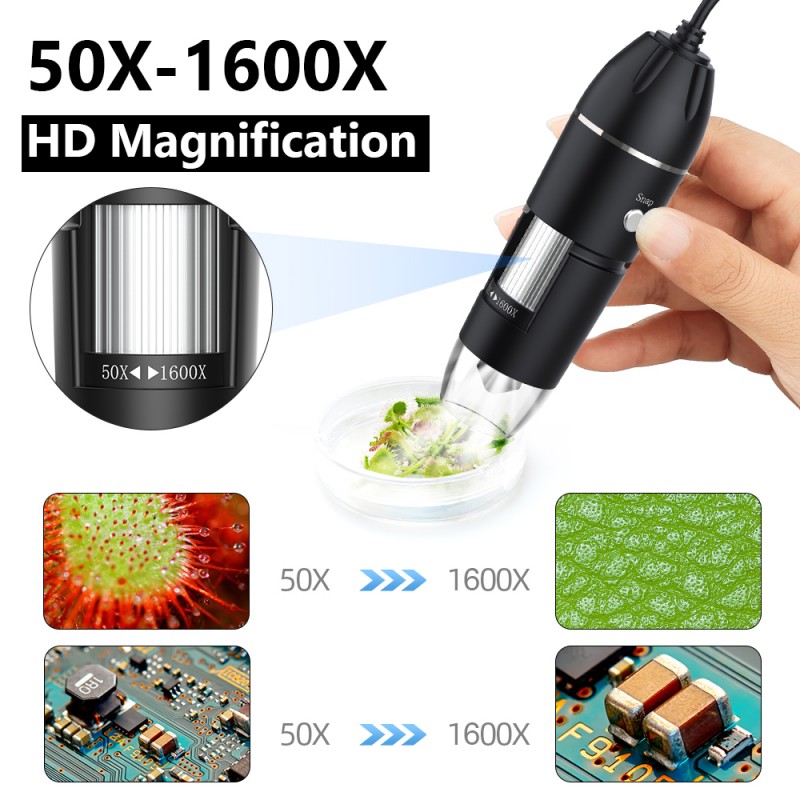
A digital handheld microscope opens up extraordinary possibilities that extend far beyond traditional scientific applications. While these versatile instruments excel at standard magnification tasks, their true potential emerges when creative users explore unconventional applications that leverage their portability, digital imaging capabilities, and user-friendly design. From artistic endeavors to practical problem-solving, the creative applications of a digital handheld microscope can transform how you approach detailed observation and documentation.
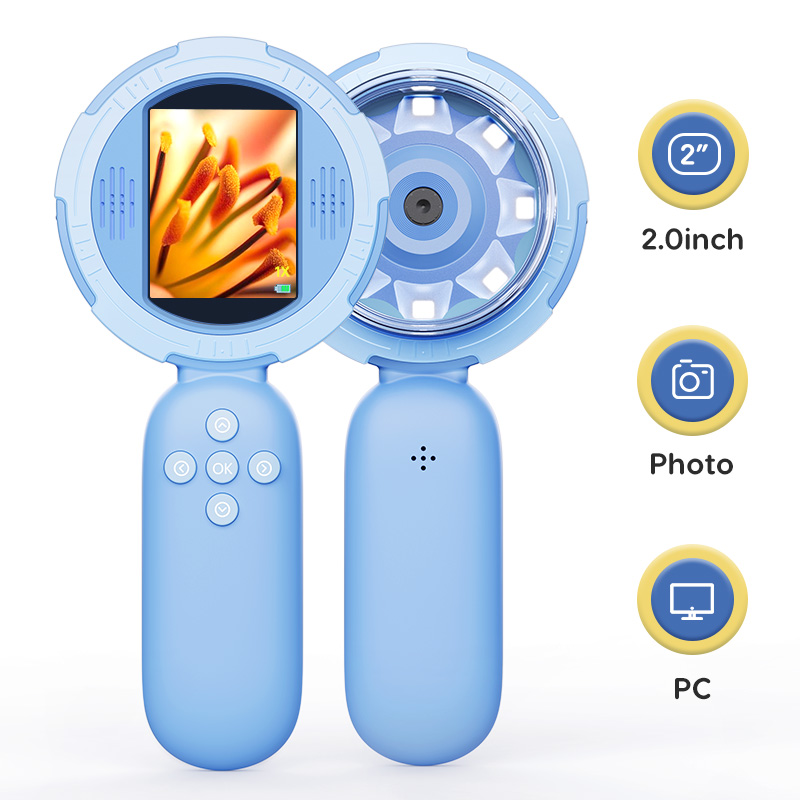
The beauty of modern digital handheld microscope technology lies in its accessibility and immediate visual feedback through digital screens. Unlike traditional optical microscopes that require complex setup and eyepiece viewing, these portable devices enable instant capture and sharing of magnified images. This combination of convenience and functionality makes them perfect tools for exploring creative applications that would be impractical with conventional microscopy equipment.
Artistic Documentation and Creative Photography
Macro Photography Enhancement
Artists and photographers can use a digital handheld microscope to capture stunning macro photographs that reveal hidden textures and patterns invisible to the naked eye. The device allows you to explore surface details of everyday objects, creating abstract compositions from familiar materials like fabric fibers, wood grain, or metal surfaces. This approach transforms ordinary subjects into extraordinary artistic statements.
The digital imaging capabilities of a handheld microscope enable real-time composition adjustments and instant preview of results. Artists can experiment with lighting angles using the built-in LED illumination to create dramatic shadows and highlight specific textural elements. The portability factor means you can capture these images in various environments rather than being confined to a studio setting.
Pattern Analysis for Design Inspiration
Designers across various disciplines utilize digital handheld microscope technology to study natural patterns and textures for creative inspiration. By examining flower petals, insect wings, or crystalline structures, designers can identify geometric patterns, color variations, and structural elements that inform their creative work. This microscopic exploration provides a fresh perspective on biomimetic design principles.
The high-resolution digital output from modern handheld microscopes allows designers to capture detailed reference images that can be directly incorporated into digital design workflows. These microscopic photographs serve as texture maps, pattern libraries, or inspirational elements for everything from textile design to architectural detailing.
Educational and Research Applications
Field Research Documentation
Researchers and educators leverage digital handheld microscope portability for field documentation that would be impossible with stationary equipment. Environmental scientists can examine soil samples, water specimens, or plant structures directly in their natural habitats, capturing digital images that provide immediate documentation of field observations. This real-time analysis capability enhances data collection efficiency and accuracy.
The instant digital imaging feature of a handheld microscope enables researchers to build comprehensive visual databases during fieldwork. GPS coordinates can be linked with microscopic images to create detailed spatial records of environmental conditions, species identification, or contamination assessment. This integration of location data with microscopic documentation creates powerful research tools.
Interactive Learning Experiences
Educational applications of digital handheld microscope technology extend beyond traditional classroom settings. The device creates engaging learning experiences by allowing students to explore everyday objects at magnification levels that reveal surprising details. Kitchen salt crystals, paper fibers, or fabric weaves become fascinating subjects that demonstrate scientific principles in accessible ways.
The shared viewing capability through digital screens makes a handheld microscope perfect for group learning activities. Multiple students can simultaneously observe the same specimen, facilitating collaborative discussions and shared discovery experiences. This social aspect of digital microscopy enhances educational engagement compared to individual eyepiece viewing.
Practical Problem-Solving Applications
Quality Control and Inspection
Professional applications of digital handheld microscope technology include quality control tasks in manufacturing, crafting, or repair work. Jewelers use these devices to inspect gemstone settings, examine metal work details, or identify flaws in precious materials. The digital imaging capability allows documentation of quality issues and provides clear visual references for correction procedures.
Electronics technicians utilize handheld microscopes for circuit board inspection, component verification, and solder joint analysis. The portability enables on-site inspection work, while the digital output facilitates remote consultation with colleagues or clients. This combination of mobility and digital documentation streamlines professional inspection workflows.
Authentication and Verification
Authentication specialists employ digital handheld microscope capabilities to examine documents, artwork, or collectibles for verification purposes. Paper fiber analysis, ink examination, and printing technique identification become accessible with portable magnification technology. The digital imaging feature provides permanent records that support authentication decisions.
Currency verification, stamp authentication, and historical document analysis benefit from the detailed examination possible with a digital handheld microscope. Security features invisible to casual inspection become clearly visible under magnification, supporting fraud detection and authenticity verification processes.
Hobby and Recreational Applications
Collector Item Analysis
Collectors across various categories utilize digital handheld microscope technology to examine their acquisitions in detail. Coin collectors can analyze surface conditions, identify mint marks, or detect alterations with precision impossible through visual inspection alone. The digital imaging capability creates permanent records that document condition and authenticity for insurance or resale purposes.
Mineral and fossil collectors benefit from portable magnification that reveals crystal structures, inclusion patterns, or fossilization details. The ability to examine specimens in natural light conditions rather than artificial laboratory lighting provides more accurate color representation and surface detail analysis. Field identification becomes more reliable with immediate microscopic examination capabilities.
Craft and Hobby Enhancement
Crafters and hobbyists discover new possibilities when they integrate a digital handheld microscope into their creative processes. Quilters can examine fabric weaves to ensure consistent thread counts, while model builders can inspect fine detail work and identify areas requiring additional attention. The magnification capability reveals construction details that improve craftsmanship quality.
Gardening enthusiasts use portable microscopes to examine plant health indicators, identify pest problems, or study seed structures. The immediate digital feedback allows rapid assessment of plant conditions and supports informed gardening decisions. Disease identification, nutrient deficiency detection, and pest management become more precise with microscopic examination capabilities.
Science Communication and Outreach
Public Engagement Activities
Science communicators leverage digital handheld microscope accessibility to create engaging public outreach programs. The device transforms ordinary objects into fascinating subjects that capture public attention and demonstrate scientific principles in memorable ways. Museum programs, science fairs, and community events benefit from the interactive nature of digital microscopy demonstrations.
The social media potential of digital handheld microscope images creates opportunities for viral science communication. Microscopic photographs of everyday objects generate curiosity and engagement that traditional science communication methods struggle to achieve. This visual impact makes complex scientific concepts accessible to diverse audiences.
Citizen Science Projects
Citizen science initiatives incorporate digital handheld microscope capabilities to expand data collection networks. Environmental monitoring projects benefit from distributed observation capabilities that allow volunteers to contribute high-quality microscopic documentation from diverse locations. The standardized digital output ensures data consistency across multiple contributors.
Biodiversity surveys, pollution monitoring, and ecological research projects gain valuable data when equipped participants use portable digital microscopes for field documentation. The immediate digital capture eliminates transcription errors and provides visual evidence that supports scientific conclusions. This democratization of microscopic documentation expands research capabilities beyond traditional laboratory constraints.
FAQ
What makes a digital handheld microscope suitable for creative applications?
The combination of portability, digital imaging, and immediate visual feedback makes digital handheld microscopes ideal for creative uses. Unlike traditional microscopes that require fixed installations and complex setup procedures, these devices can be used anywhere, allowing spontaneous exploration and documentation. The digital screen provides instant results that can be shared immediately, making them perfect for collaborative creative projects and educational demonstrations.
How do I ensure quality results when using a digital handheld microscope for artistic photography?
Achieving quality artistic results requires attention to lighting, stability, and subject preparation. Use the built-in LED illumination at different angles to create interesting shadows and highlights. Maintain steady positioning using both hands or a small tripod adapter if available. Clean the lens regularly and experiment with different distances to find the optimal magnification for your artistic vision. The digital preview allows real-time adjustment until you achieve the desired effect.
Can I use a digital handheld microscope for professional quality control applications?
Yes, many digital handheld microscopes provide sufficient magnification and image quality for professional inspection tasks. The key is selecting a model with appropriate magnification range and resolution for your specific application. For jewelry inspection, electronics work, or manufacturing quality control, ensure the device offers adequate magnification power and clear digital imaging. Document your findings using the digital capture feature to create permanent records for quality assurance purposes.
What creative applications work best for beginners with digital handheld microscopes?
Beginners should start with easily accessible subjects that demonstrate immediate interesting results. Examine common household items like salt crystals, fabric textures, flower petals, or paper surfaces to discover hidden patterns and structures. These familiar objects provide surprising revelations under magnification and help build confidence with the device. Progress to more complex applications like artistic photography or field research as your skills develop with the digital handheld microscope interface.
Table of Contents
- Artistic Documentation and Creative Photography
- Educational and Research Applications
- Practical Problem-Solving Applications
- Hobby and Recreational Applications
- Science Communication and Outreach
-
FAQ
- What makes a digital handheld microscope suitable for creative applications?
- How do I ensure quality results when using a digital handheld microscope for artistic photography?
- Can I use a digital handheld microscope for professional quality control applications?
- What creative applications work best for beginners with digital handheld microscopes?