 EN
EN

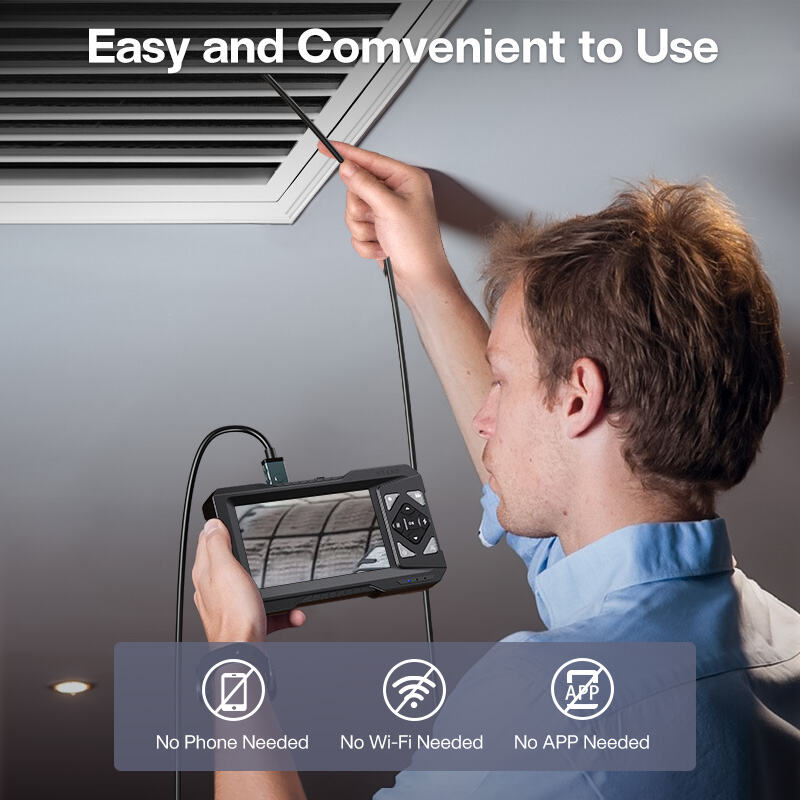
Selecting the right industrial endoscope in 2025 requires careful evaluation of multiple technical factors that directly impact inspection quality, operational efficiency, and long-term reliability. With rapid technological advancements in imaging sensors, display technology, and probe design, choosing an industrial endoscope has become increasingly complex yet critically important for maintaining equipment reliability and preventing costly failures across manufacturing, automotive, aerospace, and energy sectors.
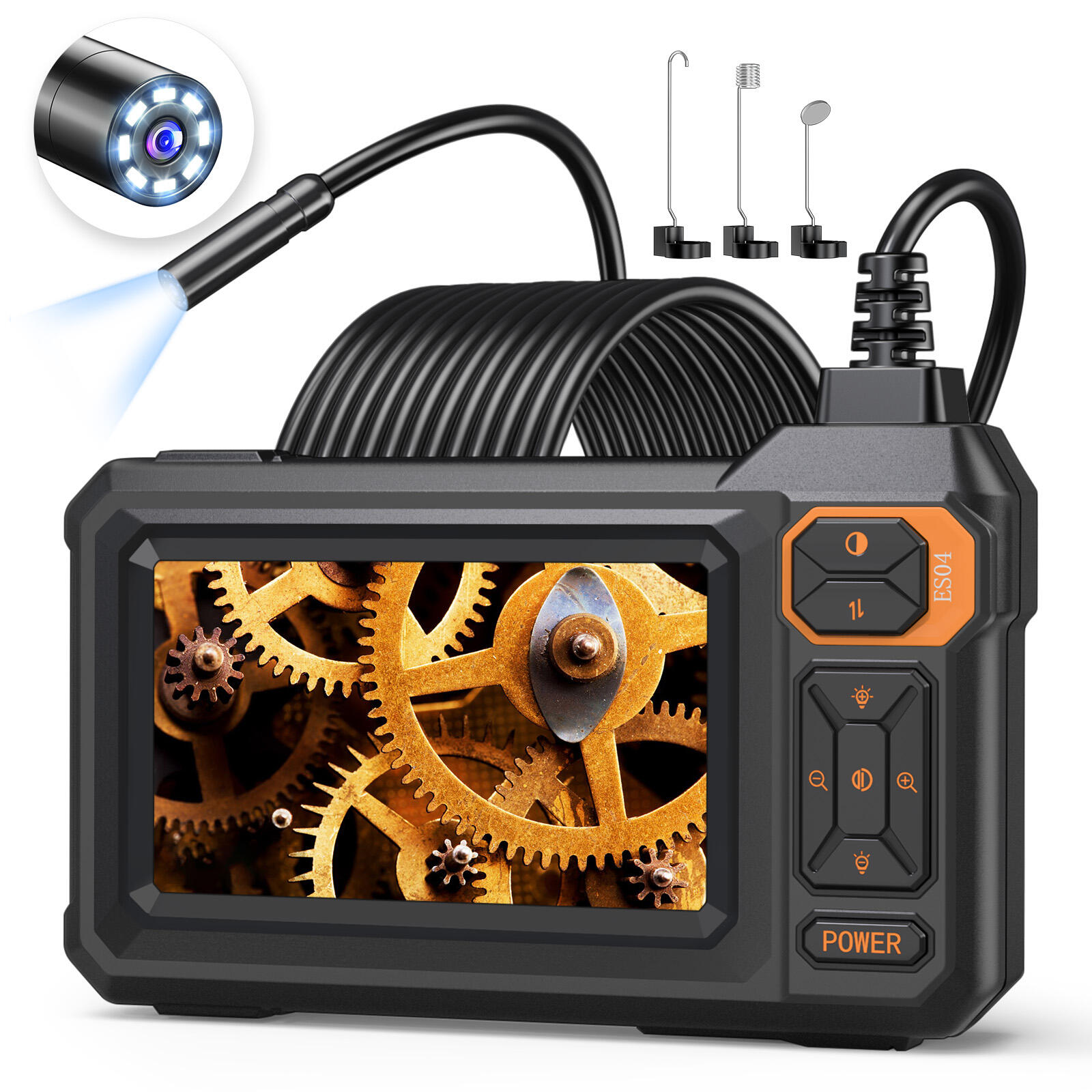
Modern industrial endoscope selection demands understanding emerging technologies like 4K imaging, articulating probe designs, wireless connectivity, and advanced measurement capabilities that distinguish professional-grade systems from basic inspection tools. This comprehensive guide provides decision-makers with systematic evaluation criteria, application-specific considerations, and practical selection strategies to identify the most suitable industrial endoscope for their operational requirements and budget constraints in 2025.
Core Technical Specifications for Industrial Endoscope Selection
Image Resolution and Display Quality Requirements
Image resolution stands as the foundational specification when choosing an industrial endoscope, directly determining the level of detail visible during inspections. High-definition systems with 1080p resolution provide adequate clarity for general maintenance inspections, while 4K capabilities become essential for critical defect analysis requiring precise dimensional measurements and surface texture evaluation.
Display technology significantly impacts field usability, with IPS LCD panels offering superior color accuracy and viewing angles compared to standard TFT displays. Screen size typically ranges from 3.5 to 5.5 inches, with larger displays facilitating detailed analysis but potentially compromising portability in confined workspace applications.
Modern industrial endoscope systems incorporate advanced image processing algorithms that enhance contrast, reduce noise, and automatically adjust exposure settings for varying lighting conditions. These features prove particularly valuable when inspecting dark cavities or highly reflective surfaces where manual adjustment would be impractical or time-consuming.
Probe Diameter and Length Considerations
Probe dimensions represent critical selection factors that determine accessibility to inspection targets and overall system versatility. Diameter options typically range from 2.4mm for micro-access applications to 8.5mm for general industrial use, with each size offering specific advantages for different inspection scenarios.
Smaller diameter probes enable access to tight spaces such as cooling passages, hydraulic systems, and electronic assemblies, while larger diameter probes accommodate more powerful LED lighting systems and higher resolution imaging sensors. The trade-off between accessibility and image quality requires careful evaluation based on primary application requirements.
Probe length specifications must align with the deepest inspection points in target applications, with standard options ranging from 1 meter to 10 meters or more for specialized applications. Excessive probe length can compromise image transmission quality and increase handling complexity, making application-specific sizing crucial for optimal performance.
Articulation and Steering Capabilities
Advanced industrial endoscope systems feature articulating probe tips that enable directional steering and positioning control, significantly expanding inspection coverage and reducing the need for multiple access points. Four-way articulation provides comprehensive directional control, while two-way systems offer more limited but often sufficient positioning capabilities for specific applications.
Steering range specifications typically indicate maximum deflection angles, with 120-degree capabilities considered standard for professional-grade systems and 180-degree articulation available for specialized applications requiring extreme positioning flexibility. The precision and responsiveness of steering mechanisms directly impact inspection efficiency and operator fatigue during extended use.
Electronic versus mechanical steering systems offer distinct advantages, with electronic controls providing smoother operation and reduced operator effort, while mechanical systems deliver more precise positioning control and eliminate potential electronic failure points in harsh industrial environments.
Application-Specific Selection Criteria
Automotive and Transportation Industry Requirements
Automotive applications demand industrial endoscope systems capable of inspecting engine internals, transmission components, brake systems, and exhaust passages under varying temperature and contamination conditions. Oil resistance and chemical compatibility become primary considerations when selecting probe materials and protective coatings for automotive service environments.
Temperature resistance specifications must accommodate inspection of recently operated engines and exhaust systems, with industrial-grade probes rated for temperatures up to 120°C or higher for specialized applications. The ability to capture clear images through oil films and particulate contamination requires advanced lighting systems and image processing capabilities.
Documentation capabilities prove essential for warranty claims, quality assurance, and customer communication, making video recording and image storage features important selection criteria for automotive service applications. Integration with existing diagnostic systems and data management platforms can significantly enhance workflow efficiency and record-keeping compliance.
Aerospace and Defense Applications
Aerospace applications require industrial endoscope systems meeting stringent quality standards and regulatory compliance requirements, with particular emphasis on measurement accuracy, documentation capabilities, and traceability features. Foreign object detection (FOD) inspections demand exceptional image clarity and lighting control for identifying small contaminants that could compromise safety.
Turbine engine inspections represent one of the most demanding applications for industrial endoscope technology, requiring specialized probes capable of navigating complex internal geometries while delivering high-resolution imaging of blade edges, combustor linings, and cooling passages. Temperature resistance and vibration immunity become critical specifications for these applications.
Regulatory documentation requirements in aerospace applications necessitate comprehensive reporting features, including automated measurement tools, comparison capabilities, and standardized reporting formats that comply with industry-specific inspection protocols and certification requirements.
Manufacturing and Quality Control Integration
Manufacturing environments require industrial endoscope systems that integrate seamlessly with existing quality control processes and production workflows. Automated inspection capabilities, programmable lighting sequences, and standardized measurement protocols can significantly reduce inspection time while improving consistency and repeatability.
Industrial endoscope selection for manufacturing applications must consider integration with quality management systems, statistical process control software, and automated reporting platforms. Real-time data transmission capabilities and network connectivity features enable immediate feedback and corrective action implementation.
Durability specifications become particularly important in high-volume manufacturing environments where industrial endoscope systems face frequent use and handling. Robust construction, sealed electronics, and replaceable wear components ensure long-term reliability and minimize downtime in critical production applications.
Environmental and Durability Specifications
Ingress Protection and Chemical Resistance
Environmental protection ratings determine the suitability of industrial endoscope systems for specific operating conditions, with IP67 rating providing dust-tight and temporary immersion protection adequate for most industrial applications. Higher IP68 ratings offer continuous submersion capabilities required for underwater inspections or harsh chemical environments.
Chemical resistance specifications must align with expected exposure conditions, including cleaning solvents, hydraulic fluids, fuel systems, and industrial chemicals. Probe materials such as tungsten braiding, stainless steel construction, and specialized polymer coatings provide varying levels of chemical compatibility and abrasion resistance.
Temperature cycling resistance ensures reliable operation across varying environmental conditions, with industrial-grade systems typically rated for operating temperatures from -10°C to +60°C and storage temperatures extending well beyond these ranges for extreme climate applications.
Shock and Vibration Tolerance
Industrial environments subject inspection equipment to significant mechanical stress through dropping, impacts, and continuous vibration exposure. Military-grade shock resistance specifications and reinforced housing designs protect sensitive electronic components and imaging systems from damage during field use.
Vibration immunity becomes particularly important when using industrial endoscope systems on active machinery or mobile platforms where mechanical disturbances could compromise image stability or damage internal components. Specified vibration resistance ratings provide guidance for application suitability and long-term reliability expectations.
Probe protection features including reinforced insertion tubes, protective tip guards, and impact-resistant connectors minimize damage risks during routine handling and storage. Replacement part availability and field repair capabilities should factor into total cost of ownership calculations for high-use applications.
Advanced Features and Technology Integration
Measurement and Documentation Capabilities
Modern industrial endoscope systems incorporate sophisticated measurement tools that enable precise dimensional analysis, defect quantification, and comparative assessments without requiring physical access to inspection targets. Phase measurement and 3D imaging capabilities provide enhanced analysis tools for critical component evaluations.
Automated measurement functions reduce operator variability and improve inspection consistency, with calibrated reference points enabling accurate distance, area, and angular measurements. Integration with CAD systems and technical drawings facilitates direct comparison between as-built conditions and design specifications.
Documentation features including automatic report generation, standardized templates, and digital signature capabilities streamline regulatory compliance and quality assurance processes. Cloud connectivity and data synchronization features enable remote collaboration and centralized data management across multiple inspection teams and locations.
Connectivity and Data Management
Wireless connectivity options including WiFi and Bluetooth enable real-time data transmission, remote viewing capabilities, and integration with mobile devices for enhanced collaboration and documentation. These features prove particularly valuable for training applications and remote expert consultation scenarios.
Data storage capabilities must accommodate high-resolution images and extended video recordings, with internal memory supplemented by removable storage options for large-scale inspection campaigns. File format compatibility and compression algorithms affect storage efficiency and downstream processing requirements.
Software integration capabilities determine compatibility with existing asset management systems, maintenance planning platforms, and regulatory compliance databases. Open API architecture and standardized data formats facilitate seamless integration with enterprise systems and workflow automation tools.
Cost-Benefit Analysis and Selection Strategy
Total Cost of Ownership Considerations
Industrial endoscope selection requires comprehensive cost analysis extending beyond initial purchase price to include training, maintenance, consumables, and operational efficiency impacts. Professional-grade systems with higher initial costs often deliver superior long-term value through improved reliability, enhanced capabilities, and reduced inspection time requirements.
Maintenance costs including probe replacement, calibration services, and software updates should factor into total ownership calculations, with manufacturer support capabilities and parts availability affecting long-term operational costs. Warranty coverage and service response times directly impact downtime costs in critical applications.
Productivity improvements through advanced features, automated functions, and enhanced documentation capabilities can justify premium pricing for high-volume inspection applications. Quantifying time savings, improved accuracy, and reduced rework enables objective cost-benefit analysis for industrial endoscope investment decisions.
Vendor Selection and Support Considerations
Vendor selection criteria should emphasize technical support capabilities, training resources, and long-term product development roadmaps that ensure continued compatibility and feature enhancement. Local service availability and response times become critical factors for mission-critical applications where downtime carries significant costs.
Training and certification programs offered by industrial endoscope manufacturers can significantly impact inspection quality and operator proficiency, with comprehensive training reducing learning curves and improving inspection consistency across multiple operators and shifts.
Technology roadmap alignment ensures selected industrial endoscope systems remain current with evolving inspection requirements and regulatory standards, with upgrade paths and backward compatibility protecting investment value over extended operational periods.
FAQ
What probe diameter is most versatile for general industrial inspections?
A 6mm probe diameter offers the best balance between accessibility and image quality for most general industrial inspections. This size provides adequate lighting power and sensor resolution while maintaining compatibility with standard access ports in machinery, engines, and piping systems commonly found in industrial environments.
How important is 4K resolution compared to 1080p for industrial endoscope applications?
4K resolution becomes essential when precise defect measurement and detailed surface analysis are required, particularly for critical safety inspections in aerospace and automotive applications. For routine maintenance inspections where general condition assessment is sufficient, 1080p resolution typically provides adequate image quality while offering lower cost and reduced file storage requirements.
What environmental protection rating should I choose for harsh industrial conditions?
IP67 rating provides adequate protection for most industrial environments, offering dust-tight sealing and temporary water immersion protection suitable for general manufacturing, automotive, and maintenance applications. IP68 rating becomes necessary only for continuous underwater use or extreme chemical exposure conditions that exceed normal industrial requirements.
How do I determine the appropriate probe length for my inspection applications?
Measure the deepest inspection point in your primary applications and add 20-30% margin for probe routing and positioning flexibility. Standard lengths of 1-2 meters suit most machinery inspections, while 3-5 meter probes accommodate deeper access requirements in large equipment, vessels, and structural components without excessive handling complexity.
Table of Contents
- Core Technical Specifications for Industrial Endoscope Selection
- Application-Specific Selection Criteria
- Environmental and Durability Specifications
- Advanced Features and Technology Integration
- Cost-Benefit Analysis and Selection Strategy
-
FAQ
- What probe diameter is most versatile for general industrial inspections?
- How important is 4K resolution compared to 1080p for industrial endoscope applications?
- What environmental protection rating should I choose for harsh industrial conditions?
- How do I determine the appropriate probe length for my inspection applications?