 EN
EN

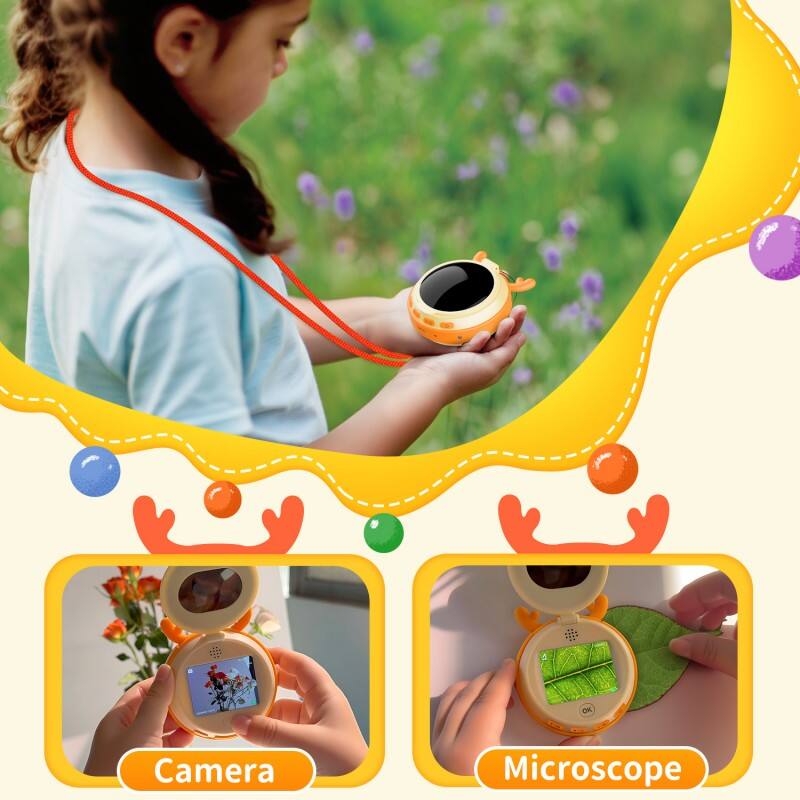
Selecting the right portable microscope can transform how you explore the microscopic world, whether you're a student, educator, researcher, or hobbyist. Unlike traditional benchtop models, portable microscopes offer the flexibility to examine specimens anywhere, making them invaluable tools for field research, educational demonstrations, and professional applications. Understanding the key features and specifications will help you make an informed decision that meets your specific needs and budget requirements.
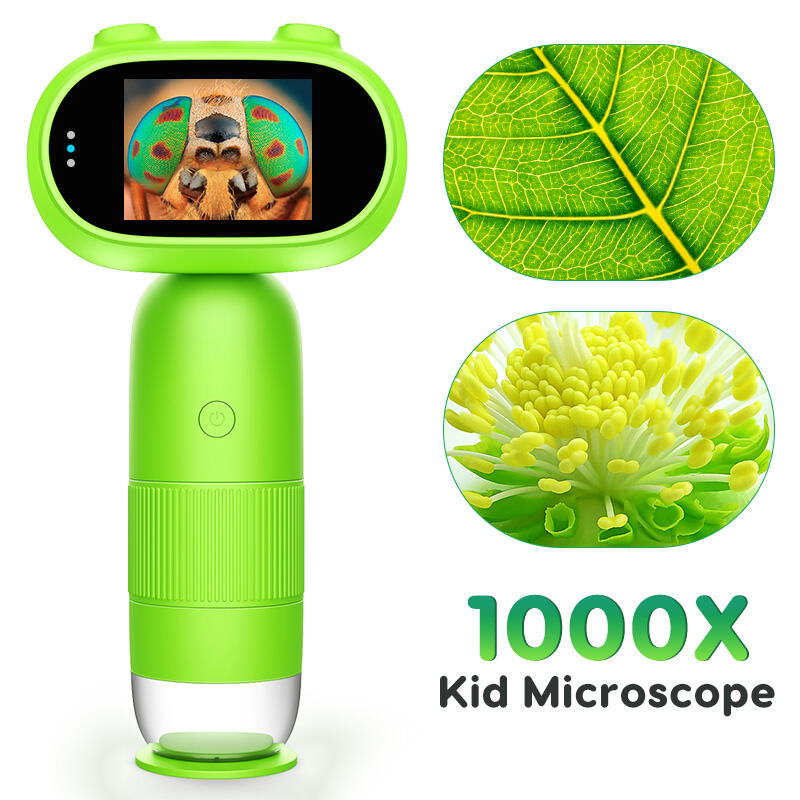
Understanding Portable Microscope Technology
Digital vs Optical Systems
Modern portable microscopes utilize either digital imaging systems or traditional optical arrangements. Digital models capture images through built-in cameras and display them on LCD screens, offering convenient viewing and documentation capabilities. These systems typically provide magnification ranges from 10x to 1000x, with some advanced models reaching even higher levels. The digital approach eliminates the need for eyepieces and allows multiple users to view specimens simultaneously.
Optical portable microscopes maintain traditional lens systems with eyepieces for direct viewing. While they may lack the convenience of digital displays, they often provide superior image quality and color accuracy. Professional researchers frequently prefer optical systems for critical analysis work where image fidelity is paramount. The choice between digital and optical depends on your intended applications and viewing preferences.
Magnification Capabilities and Limitations
Understanding magnification specifications is crucial when evaluating any portable microscope option. Most consumer-grade models offer magnification ranges between 20x and 400x, which suits basic educational and hobbyist applications. Professional-grade units can achieve 1000x magnification or higher, enabling detailed cellular observation and materials analysis. However, higher magnification doesn't always translate to better performance, as factors like resolution and optical quality play equally important roles.
The relationship between magnification and field of view creates important trade-offs in portable microscope design. Higher magnification levels reduce the observable area, making specimen navigation more challenging. Additionally, portable units face inherent limitations in achieving the same optical performance as larger laboratory microscopes due to size and weight constraints. Understanding these limitations helps set realistic expectations for your microscopy work.
Essential Features to Consider
Image Quality and Resolution Factors
Image quality represents the most critical factor in portable microscope selection. Resolution determines how much detail you can observe, while contrast affects the ability to distinguish between specimen features. Digital models depend heavily on camera sensor quality, with higher megapixel counts generally providing better image capture capabilities. However, sensor size and lens quality often matter more than raw pixel count for achieving sharp, clear images.
Illumination systems significantly impact image quality in portable microscope applications. LED lighting has become standard due to its efficiency and longevity, but the number and positioning of LEDs affect illumination uniformity. Top-lighting, bottom-lighting, and side-lighting options each serve different specimen types and observation requirements. Adjustable brightness controls allow optimization for various samples and ambient lighting conditions.
Power Supply and Battery Life
Battery performance directly affects the practical usability of any portable microscope system. Most modern units utilize rechargeable lithium-ion batteries, offering several hours of continuous operation. Battery life varies significantly based on screen brightness, magnification level, and feature usage patterns. Models with removable batteries provide extended field operation capabilities when spare batteries are available.
Power consumption becomes particularly important for extended fieldwork or classroom applications. Some portable microscopes include power-saving modes that automatically reduce screen brightness or enter standby states during periods of inactivity. USB charging capabilities have become increasingly common, allowing power replenishment from various sources including power banks, laptops, and vehicle charging ports.
Applications and Use Cases
Educational and Teaching Applications
Educational environments benefit tremendously from portable microscope technology. Teachers can bring microscopy directly to students rather than requiring access to dedicated laboratory spaces. The ability to project images on screens or connect to computers enables whole-class participation in microscopic observations. Digital models particularly excel in educational settings by allowing image capture for assignments and documentation purposes.
Student engagement increases significantly when using portable microscopes for hands-on learning experiences. Unlike traditional microscopes that require individual viewing, digital portable units allow collaborative observation and discussion. This technology proves especially valuable for outdoor education programs, field trips, and remote learning scenarios where traditional laboratory access may be limited.
Professional and Industrial Uses
Professional applications of portable microscopes span numerous industries including electronics, manufacturing, jewelry, and materials science. Quality control inspectors use these devices to examine surface defects, component assembly, and material composition in manufacturing environments. The portability factor enables on-site analysis without requiring sample transportation to centralized laboratories.
Field research applications benefit from the mobility and durability of modern portable microscope designs. Biologists conducting environmental studies can examine specimens in natural settings, while geologists can analyze mineral samples during field expeditions. The ability to document findings through digital imaging adds significant value for research documentation and collaboration purposes.
Technical Specifications Guide
Optical Performance Metrics
Several technical specifications determine the optical performance of portable microscopes. Numerical aperture affects both resolution and light-gathering capability, with higher values generally providing better image quality. Working distance, the space between the lens and specimen, varies significantly among models and affects the types of samples you can examine effectively.
Depth of field represents another crucial specification, determining how much of your specimen remains in focus simultaneously. Portable microscopes often sacrifice some depth of field for compactness, requiring more frequent focus adjustments during examination. Understanding these optical parameters helps match microscope capabilities to your specific observation requirements and sample types.
Digital Features and Connectivity
Modern portable microscopes increasingly include digital features that enhance functionality and usability. Built-in storage allows image and video capture directly on the device, while memory card slots provide expanded storage capacity. Some models include measurement software for dimensional analysis and calibration features for accurate scaling.
Connectivity options vary widely among portable microscope models. USB connections enable computer integration for image transfer and software control. WiFi-enabled units allow wireless image sharing and remote control through smartphone applications. These connectivity features prove particularly valuable for collaborative work and educational presentations where real-time sharing enhances the learning experience.
Budget Considerations and Value Assessment
Price Range Analysis
Portable microscope pricing spans a wide range from basic educational models under $100 to professional-grade systems exceeding $1000. Entry-level units typically offer basic magnification and simple digital displays, suitable for casual observation and basic educational applications. Mid-range models between $200-500 provide enhanced image quality, better build construction, and additional features like measurement capabilities.
Professional portable microscopes command higher prices due to superior optical systems, advanced digital features, and robust construction designed for frequent use. These investments prove worthwhile for commercial applications where image quality and reliability directly impact productivity and accuracy. Understanding your performance requirements helps determine the appropriate price point for your specific needs.
Long-term Value Considerations
Evaluating long-term value requires considering factors beyond initial purchase price. Build quality affects durability and maintenance requirements, while warranty coverage provides protection against defects and failures. Software updates and technical support availability influence the useful lifespan of digital portable microscope systems.
Upgrade paths and accessory availability contribute to long-term value assessment. Some manufacturers offer extensive accessory ecosystems including specialized lighting, mounting systems, and software packages. The ability to expand capabilities over time can justify higher initial investments for users with evolving microscopy needs.
Maintenance and Care Requirements
Cleaning and Storage Protocols
Proper maintenance extends the lifespan and performance of portable microscope systems. Lens cleaning requires specific techniques and materials to avoid damage to delicate optical surfaces. Microfiber cloths and optical cleaning solutions designed for microscopy applications ensure safe maintenance without introducing scratches or residue.
Storage considerations become particularly important for portable units that may experience varied environmental conditions. Protective cases shield devices from impact damage and environmental contamination during transport. Climate-controlled storage prevents condensation issues that can affect optical and electronic components, especially in humid environments.
Troubleshooting Common Issues
Common portable microscope problems include focusing difficulties, illumination issues, and digital display malfunctions. Understanding basic troubleshooting procedures can resolve many issues without requiring professional service. Focus problems often result from incorrect sample positioning or contaminated objective lenses, while illumination issues may stem from low battery levels or LED failures.
Digital systems may experience software glitches or connectivity problems that require specific resolution procedures. Firmware updates can address known issues and improve performance, while factory reset options provide solutions for persistent software problems. Maintaining current software versions and understanding basic diagnostic procedures minimizes downtime and service requirements.
FAQ
What magnification level do I need for my applications?
The required magnification depends on your specific observation needs. For general specimen examination and educational use, 40x to 400x magnification covers most applications effectively. Detailed cellular work or materials analysis may require 600x to 1000x magnification. Consider that higher magnification levels reduce the field of view and may require more precise focusing techniques.
How important is image quality compared to portability?
Image quality and portability represent competing design priorities in microscope development. If your work requires critical analysis or professional documentation, prioritize optical performance over maximum portability. For educational applications or field surveys where mobility is essential, moderate image quality trade-offs may be acceptable. Evaluate your primary use cases to determine the optimal balance.
Can portable microscopes replace traditional laboratory microscopes?
Portable microscopes excel in specific applications but cannot completely replace traditional laboratory microscopes for all uses. They provide excellent value for field work, education, and quality control applications where mobility is essential. However, research applications requiring maximum optical performance, specialized techniques, or extreme magnification levels still benefit from traditional benchtop systems.
What accessories should I consider with my portable microscope purchase?
Essential accessories include protective carrying cases, additional batteries or charging equipment, and lens cleaning supplies. Specialized illumination accessories like polarizing filters or colored filters can enhance observation capabilities for specific sample types. Mounting systems or stands provide stability for extended observation sessions, while calibration slides enable measurement accuracy verification.