Children's Microscope: Educational STEM Tool for Young Scientists with Digital Connectivity

Get a Free Quote

Our representative will contact you soon.
Email
Name
Company Name
Message
0/1000

childrens microscope

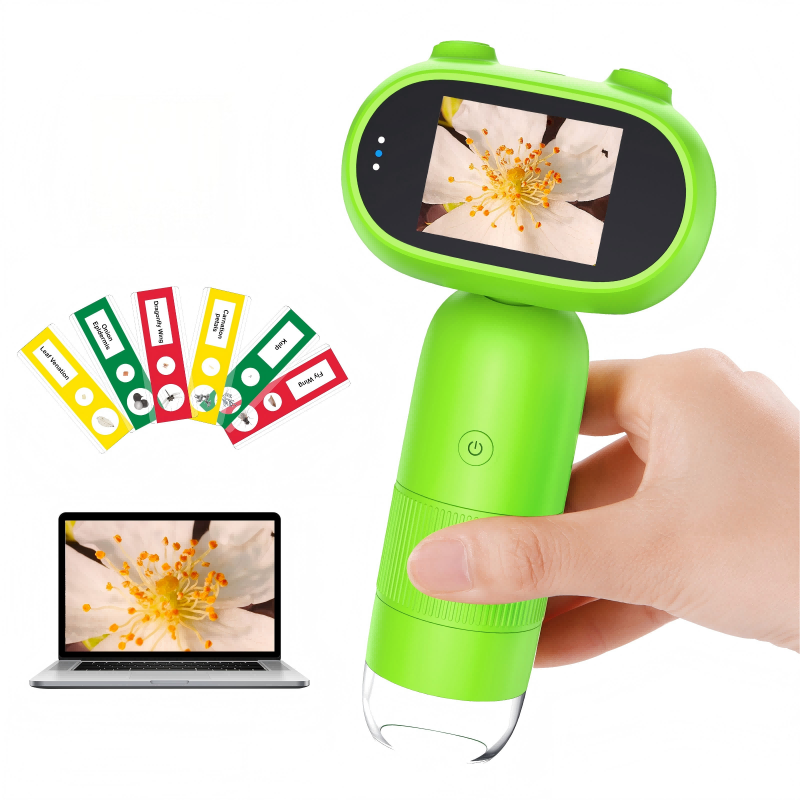
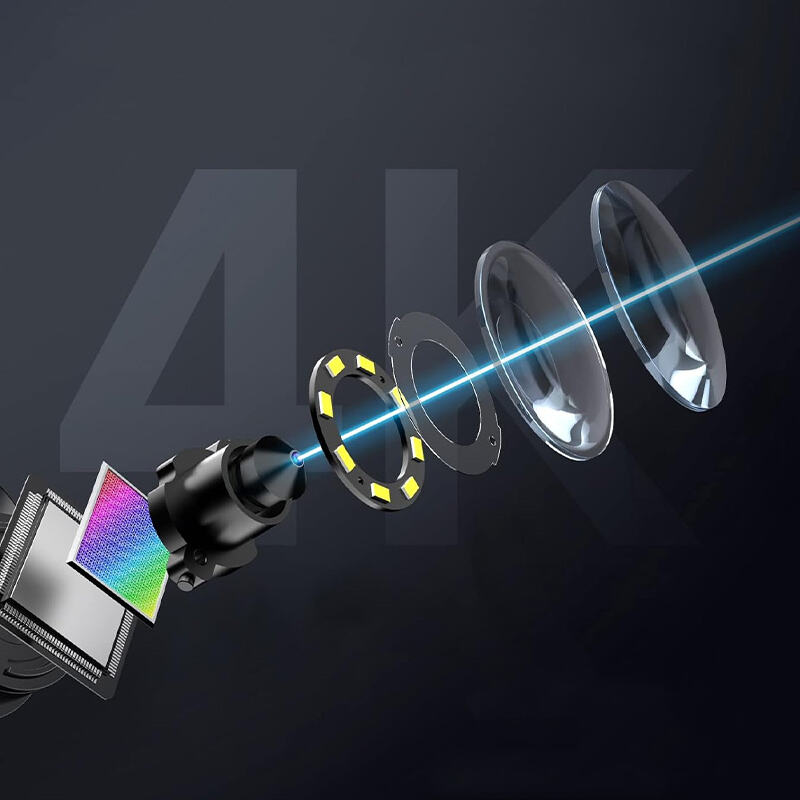
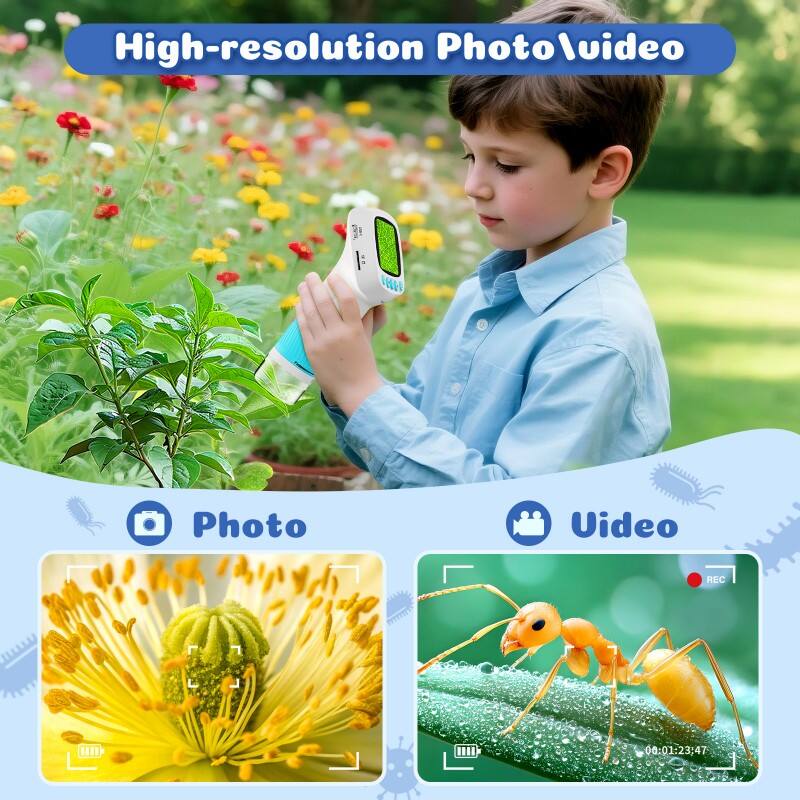
A children's microscope is an educational tool designed specifically for young scientists to explore the microscopic world. These instruments typically offer magnification ranges from 40x to 400x, making them perfect for examining everyday objects, plant samples, and prepared slides. Modern children's microscopes feature LED illumination systems that provide clear, bright viewing while remaining energy efficient and cool to touch. The build quality emphasizes durability with impact-resistant materials, while maintaining user-friendly controls that small hands can easily manipulate. Most models come equipped with rotating turrets holding multiple objective lenses, allowing young researchers to switch between different magnification levels seamlessly. The stage typically includes stage clips to hold specimens securely and features a focus adjustment system that's smooth and precise. Many children's microscopes include prepared slide sets, blank slides, covers, and basic specimen collection tools, providing everything needed to begin scientific exploration immediately. Advanced models may feature digital eyepieces that can connect to computers or smartphones, allowing young scientists to capture and share their discoveries. The optical systems use real glass lenses that provide clear, crisp images while teaching proper microscope handling and care.
Popular Products

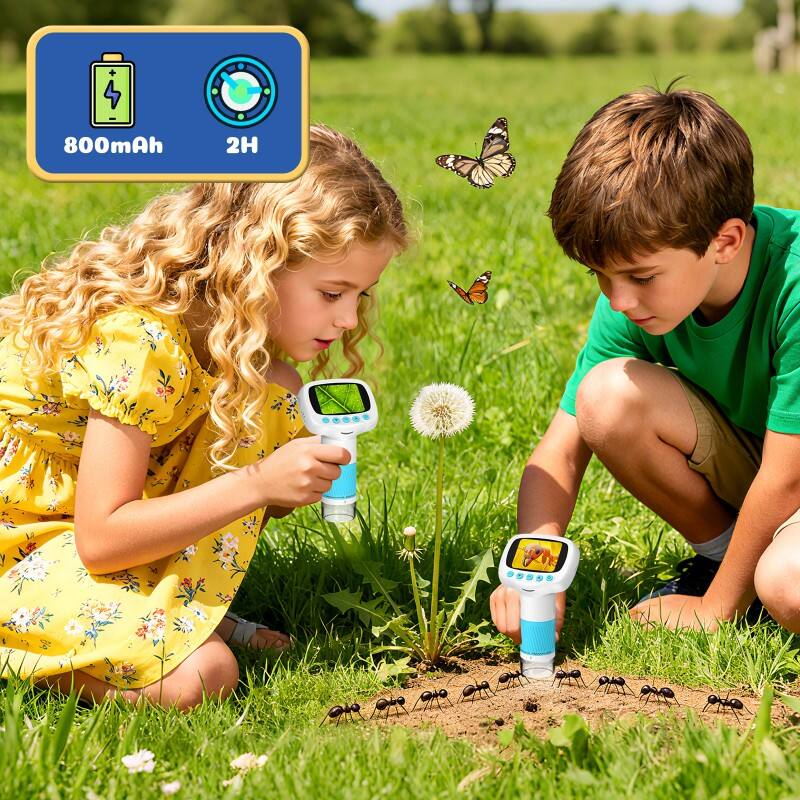
Children's microscopes offer numerous advantages that make them invaluable tools for early scientific education and discovery. First, they foster hands-on learning experiences that engage multiple senses, helping children retain information more effectively than traditional textbook learning. The microscopes are specifically designed with child safety in mind, featuring rounded edges, stable bases, and break-resistant materials. The simplified controls and intuitive design help build confidence in scientific exploration without overwhelming young users. These microscopes serve as perfect introductions to STEM education, developing critical thinking skills and scientific methodology at an early age. The included educational materials and prepared slides provide structured learning opportunities while allowing for independent exploration. The durability of these instruments ensures they can withstand regular use in both home and classroom settings, providing excellent value for money. Many models feature battery operation, making them portable and suitable for outdoor exploration. The ability to examine everyday objects at microscopic levels helps children develop a deeper appreciation for the natural world and scientific inquiry. The adjustable magnification levels allow the microscope to grow with the child's abilities and interests, remaining relevant throughout different educational stages. Digital connectivity features in some models bridge traditional microscopy with modern technology, teaching digital literacy alongside scientific observation skills. The collaborative nature of microscope work helps develop communication skills as children share and discuss their discoveries with peers and family members.

Tips And Tricks

New 4K Digital Microscope Series Launched

30

Sep

New 4K Digital Microscope Series Launched

View More
Reliable Industrial Endoscope for Challenging Environments

30

Sep

Reliable Industrial Endoscope for Challenging Environments

View More
Interctive Smart Magnifier for Children’s Education

30

Sep

Interctive Smart Magnifier for Children’s Education

View More
Portable USB Microscope for Field Applications

30

Sep

Portable USB Microscope for Field Applications

View More

Get a Free Quote

Our representative will contact you soon.
Email
Name
Company Name
Message
0/1000

childrens microscope

Educational Value and Skill Development

Educational Value and Skill Development

A children's microscope serves as a powerful educational tool that develops multiple essential skills simultaneously. The hands-on nature of microscope work helps build fine motor skills through the manipulation of slides, focus knobs, and specimen preparation tools. Children learn patience and attention to detail as they carefully prepare and observe specimens, skills that transfer to many other academic and life situations. The process of scientific observation through a microscope teaches methodical approaches to problem-solving and the importance of systematic documentation. As children learn to draw or photograph what they see, they develop important documentation and communication skills. The microscope also introduces fundamental concepts in biology, chemistry, and physics in an engaging, practical way that makes abstract concepts tangible and understandable.
Safety and Durability Features

Safety and Durability Features

Modern children's microscopes incorporate numerous safety and durability features that make them ideal for young users. The construction typically uses high-impact plastics and metal components that can withstand accidental drops and regular handling. LED illumination systems eliminate the risk of burns associated with traditional microscope lights while providing superior illumination that's energy efficient. The optical components are often made with shatter-resistant materials while maintaining excellent image quality. Stability features such as non-slip feet and weighted bases prevent tipping, while smooth-operating focus mechanisms protect both specimens and objectives from damage due to over-focusing. These safety considerations allow children to explore independently with minimal supervision while learning proper laboratory equipment handling.
Technological Integration and Future Learning

Technological Integration and Future Learning

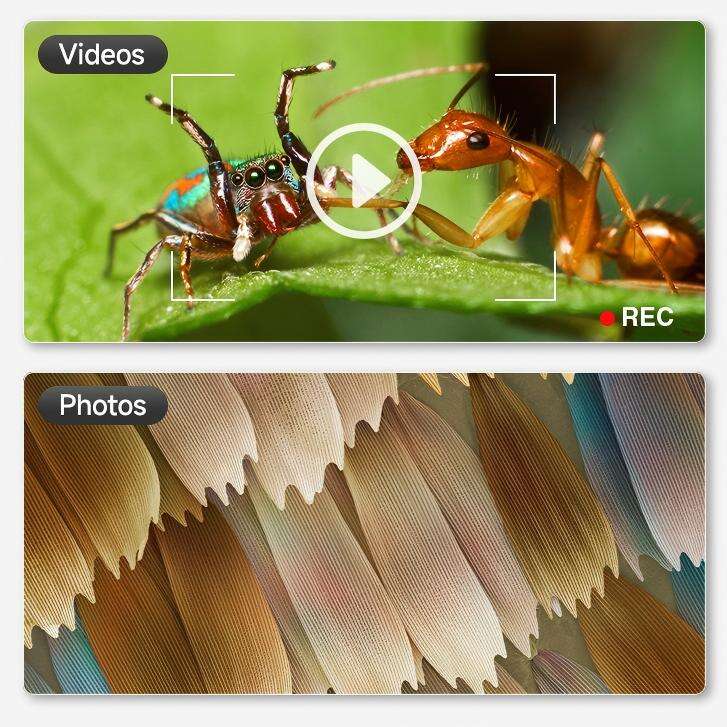
The integration of modern technology in children's microscopes bridges traditional scientific tools with digital age capabilities. Many models now include digital eyepieces that can connect to computers, tablets, or smartphones, allowing young scientists to capture, save, and share their observations. This feature not only enhances the learning experience but also teaches valuable digital literacy skills. The ability to create digital archives of observations helps develop organizational skills and scientific documentation practices. Some models include software that can measure specimens and create time-lapse recordings, introducing children to advanced scientific techniques. The digital capabilities also facilitate remote learning and online collaboration, allowing children to share their discoveries with classmates or participate in citizen science projects.
Children's Microscope: Educational STEM Tool for Young Scientists with Digital Connectivity

Get a Free Quote

Our representative will contact you soon.
Email
Name
Company Name
Message
0/1000